Mount Toubkal: Winter or Summer? The Honest Comparison
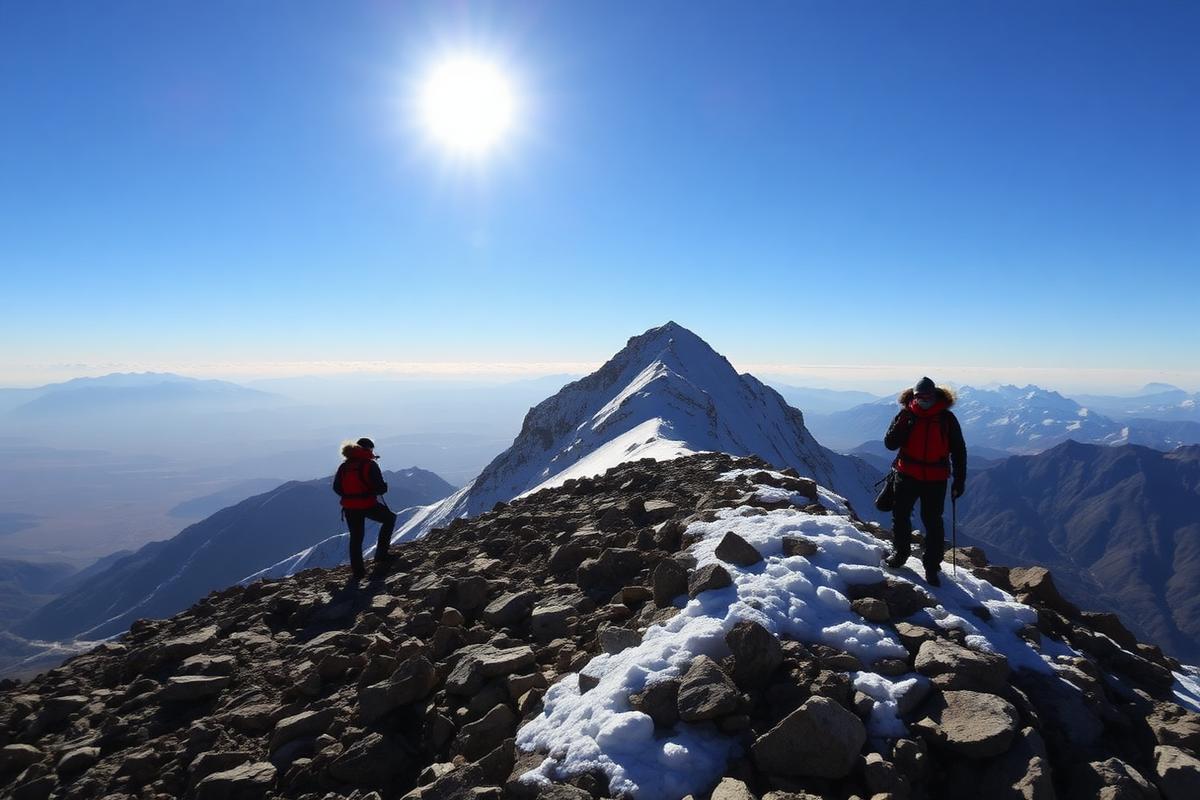
Winter Toubkal is not the summer trek with snow on it. The two seasons ask different things of you.
Winter Toubkal is not the summer trek with snow on it. It is a different undertaking on the same mountain.
That single sentence settles most of the decision. Below is what changes, so you can pick the season honestly rather than by whichever photo you saw first.
The comparison
| Winter (roughly November–March) | Summer (roughly May–September) | |
|---|---|---|
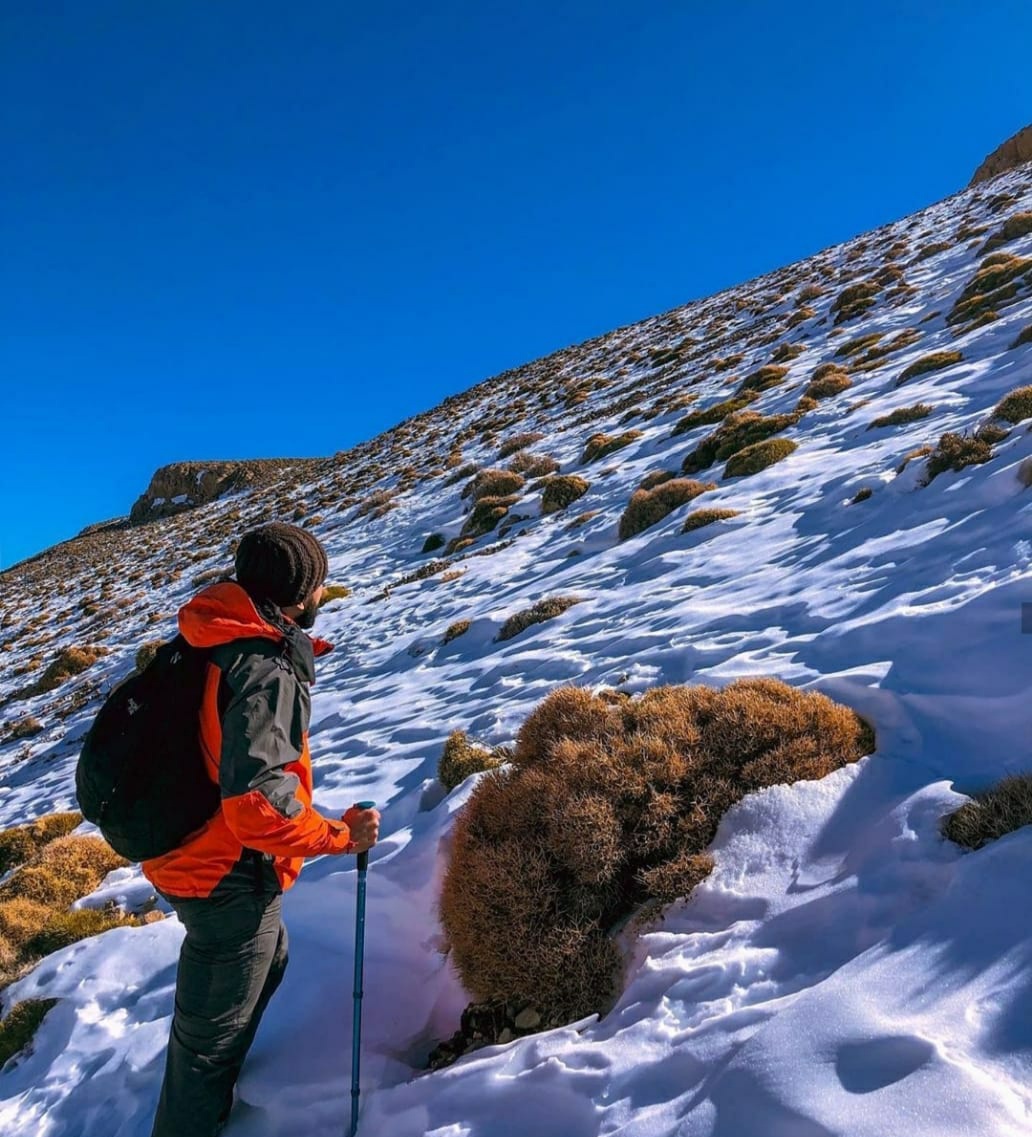
| Upper mountain | Snow and ice route | Rock and scree hillwalk |
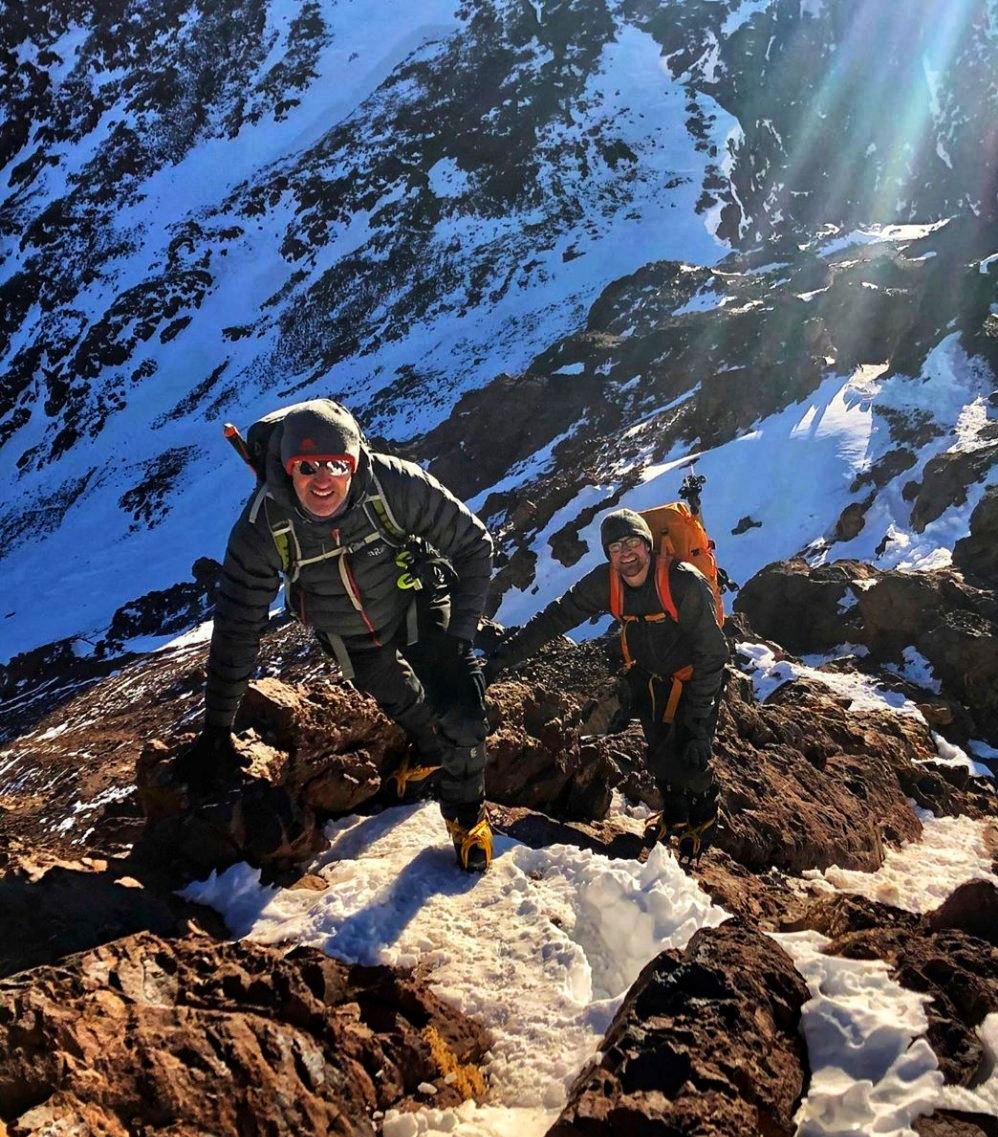
| Technical demand | Crampons and an ice axe, and the skill to use them | None on the normal route |
| Footwear | Stiff boots that take crampons | Sturdy walking boots |
| Daylight | Short; summit day starts and finishes in the dark | Long; more margin in the day |
| Temperature | Well below freezing high on the mountain, wind chill on the ridge | Warm to hot low down, cold at dawn on the summit |
| Weather variability | High — a window can close within a day | More settled, but storms happen |
| Chance of turning back | Materially higher | Lower, and usually for fitness or altitude reasons |
| Fitness needed | Summer fitness plus the load of winter kit and deep snow | Solid hillwalking fitness |
| Route choice | Conditions decide | You decide |
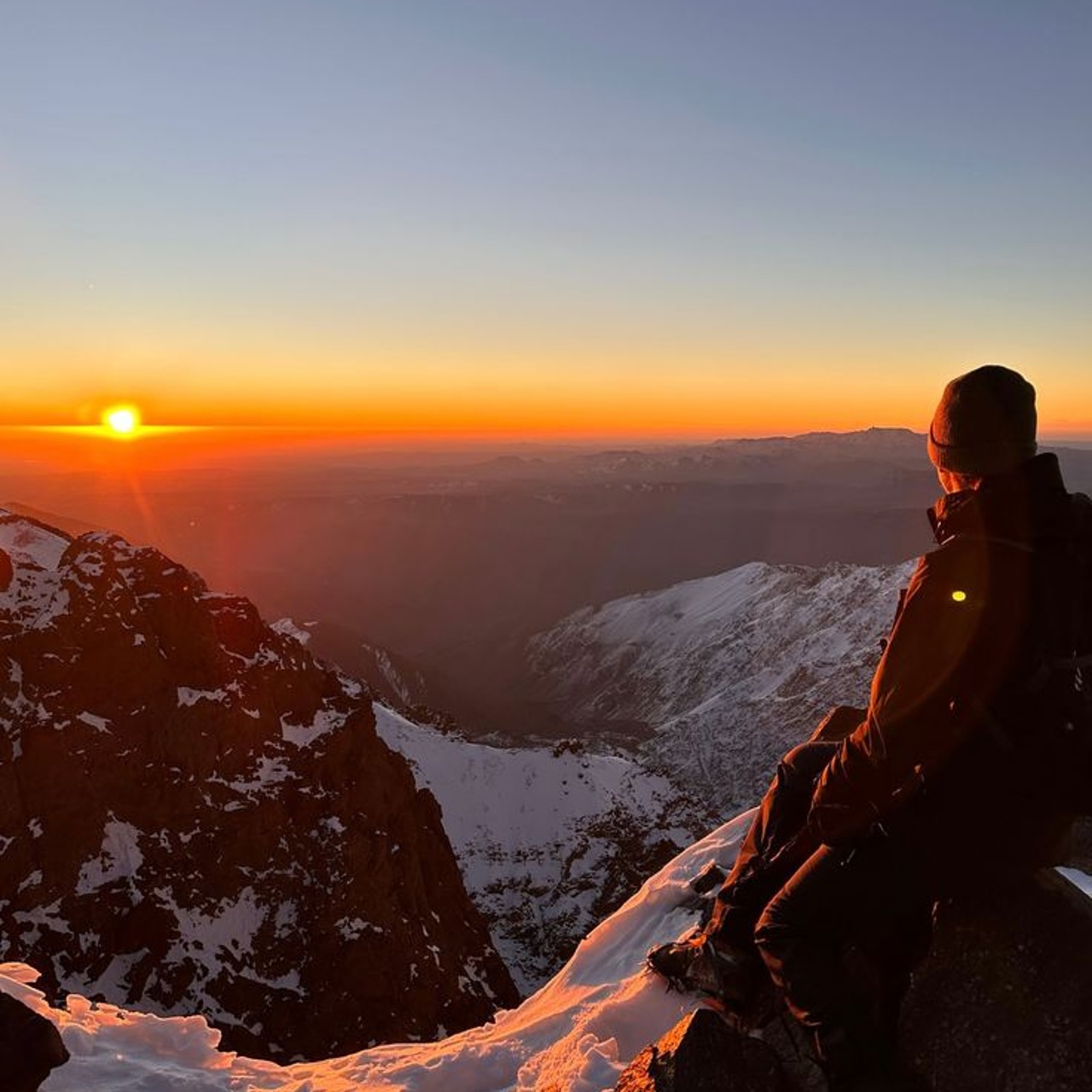
| The summit view | Snow ridges, sharper air, fewer people | Long clear views across the High Atlas |
What is the same in both seasons
The altitude. Toubkal is 4,167 m in January and in July, and altitude is the most common reason people do not summit in either season. The altitude and acclimatisation guide applies year-round, as does the fitness and training guide.
Summit day, side by side
In summer, summit day is a long, steep walk on rock and scree, usually started very early to be off the upper mountain before the afternoon. The difficulty is endurance and altitude, not skill.
In winter, the same ground is snow. You move on crampons, carry an ice axe, and the route is chosen for the conditions on the day rather than the map. Progress is slower, the margin for error is smaller, and a guide's judgement about whether to continue is the most important piece of equipment on the mountain. What a winter ascent involves goes through this in detail.
Equipment: the real dividing line
Summer kit is walking kit — boots, layers, sun protection, water. Winter adds crampons, an ice axe, stiffer boots, a warmer sleeping system and serious insulation. Much of it can be rented in Imlil rather than flown in; what to rent and what to bring and the winter equipment guide cover both.
Who each season suits
Winter suits you if you have winter hillwalking experience or are content to learn crampon technique with a guide, you accept that the summit is conditions-dependent, and the mountain itself — not the certainty of standing on top — is why you are going.
Summer suits you if this is your first 4,000 m peak, you are walking-fit but not a winter mountaineer, you are travelling with a mixed-ability party, or you want the highest realistic chance of reaching the summit.
Neither suits you if you are not walking-fit. That is the honest answer, and it is season-independent — see how hard Toubkal actually is.
Shoulder months
March and April, and again October and November, sit on the boundary and can behave like either season depending on the year's snowpack. Treat them as winter until someone who was up there recently tells you otherwise. Best time to climb Mount Toubkal goes month by month.
Trip length
Winter parties usually want more days than summer parties for the same summit — for acclimatisation, and because a bad-weather day should not end the trip. If you are choosing between itineraries, decide the season first and the number of days second.
The next step
If you already know your season, compare the Toubkal itineraries. If you do not, tell us your dates and your hill experience and we will tell you which season your trip actually falls into — including when we would advise moving it.
Frequently asked questions
- Is Toubkal harder in winter than in summer?
- Yes. In summer the normal route is a hard hillwalk. In winter the upper mountain is a snow and ice route needing crampons, an ice axe and the skills to use them.
- When does Toubkal have snow?
- Broadly from November to March, with March, April, October and November behaving like either season depending on the year's snowpack. Treat the shoulder months as winter until recent conditions say otherwise.
- Do I need crampons and an ice axe on Toubkal?
- On winter ascents, yes, for every member of the party. On the normal summer route, no.
- Which season gives the best chance of reaching the summit?
- Summer. The ground is walkable, the days are long and conditions are more settled, so fewer parties turn back.
- Can a beginner climb Toubkal in winter?
- Only with a guide and realistic expectations, and it is not what we would recommend as a first 4,000 m peak. A walking-fit beginner is far better served by a summer ascent.