Toubkal and Altitude: What 4,167 m Really Feels Like
Toubkal is high enough to be felt and low enough to be manageable. The difference is usually itinerary, pace and hydration.
How high is Mount Toubkal?
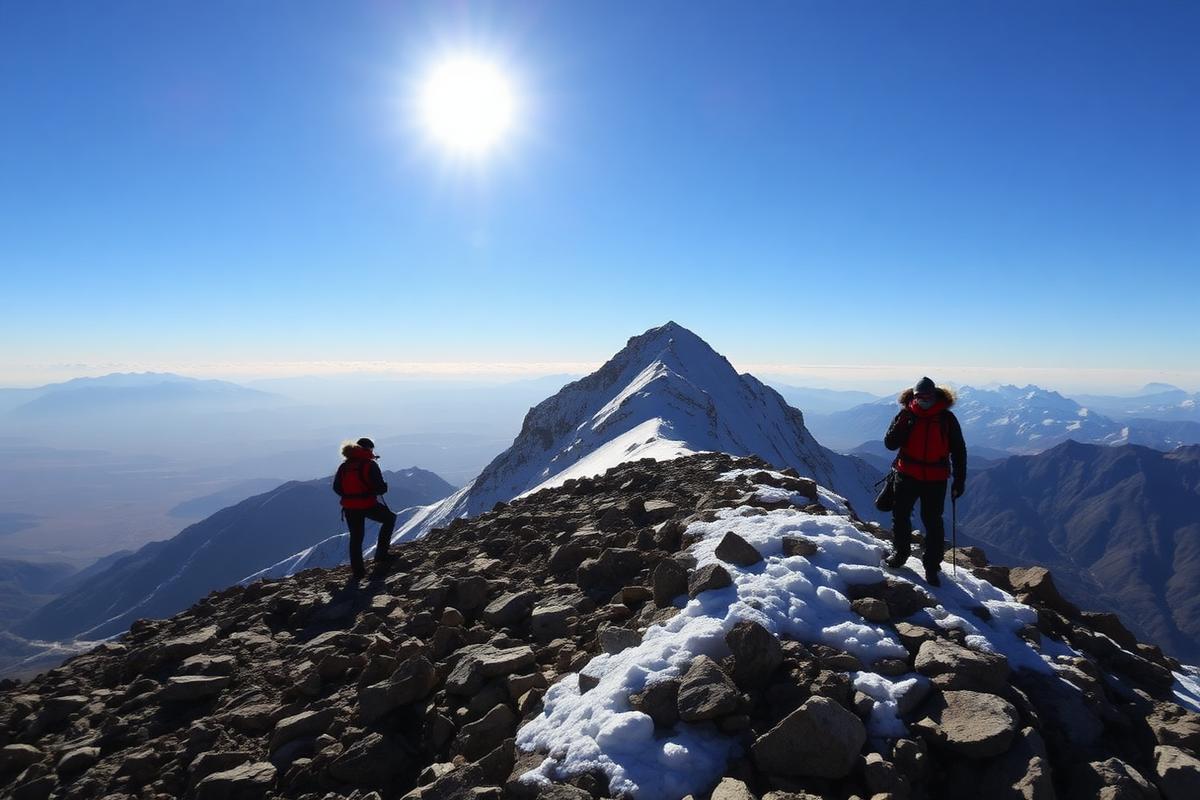
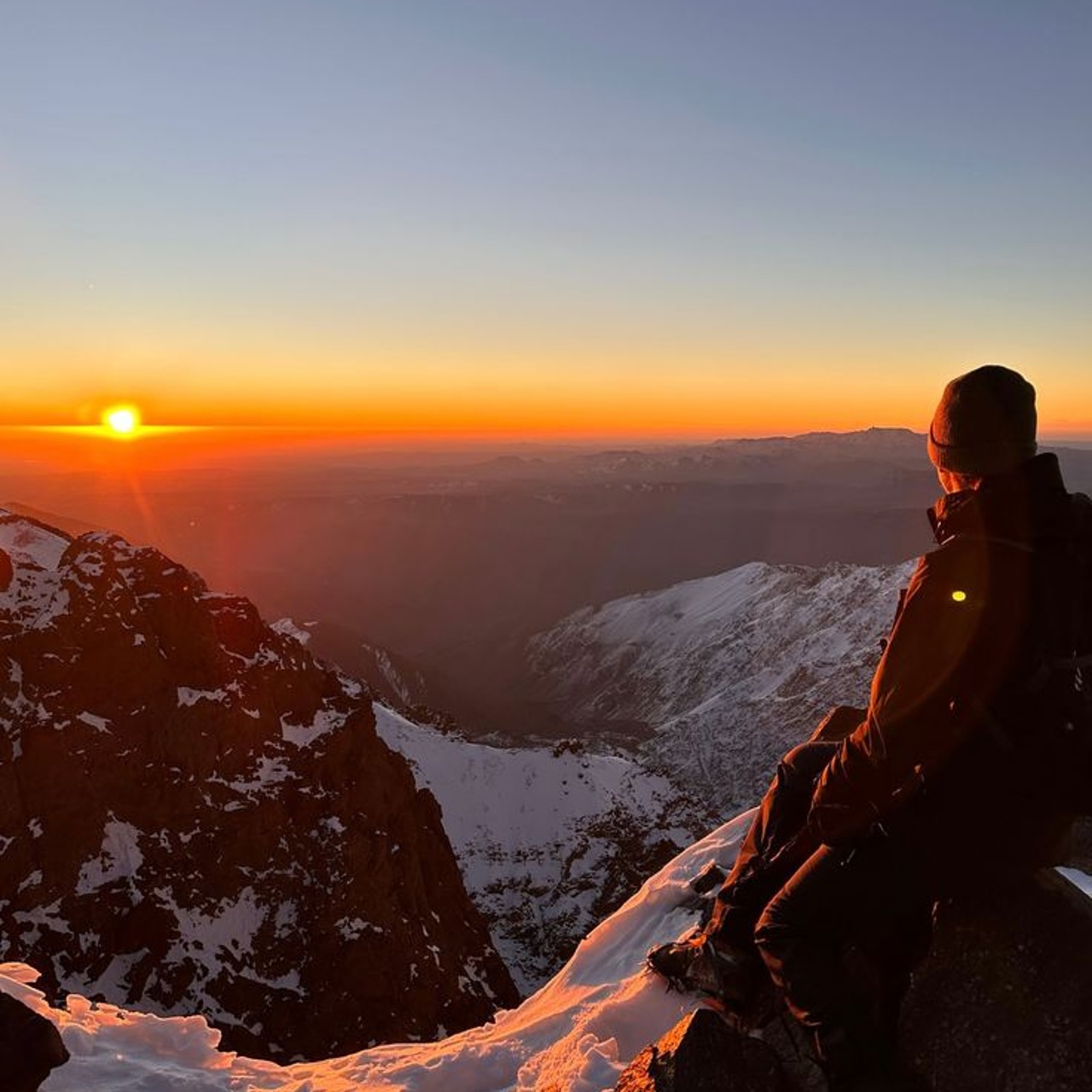
The summit is 4,167 m, the highest point in North Africa. You start walking from Imlil at around 1,740 m and sleep at the refuges at roughly 3,207 m. That means you gain more than 1,400 m on day one and cross a further 950 m on summit morning.
Will I get altitude sickness on Toubkal?
Most people do not — but most people feel something. Above roughly 3,000 m it is normal to breathe harder, walk slower than you expected, lose some appetite and sleep badly at the refuge. That is your body adjusting, not an emergency.
Normal versus warning signs
| Common and usually fine | Take seriously |
|---|---|
| Breathlessness on climbs | Headache that worsens and does not respond to rest, fluid or paracetamol |
| Broken sleep at the refuge | Repeated vomiting |
| Mild headache that eases with water and rest | Confusion, unsteadiness, loss of coordination |
| Reduced appetite | Breathlessness while resting |
The safe response to worsening symptoms is always the same: go down. Descent is the treatment that works, and on Toubkal you are never far from significantly lower ground. This guide is general trekking information, not medical advice — speak to your doctor about your own health, especially about any medication.
How do you acclimatise for Toubkal?
You cannot fully acclimatise in a weekend, but you can stack the odds:
- Give the trek more days. A three or four-day itinerary spends more time between 2,000 m and 3,200 m before summit morning.
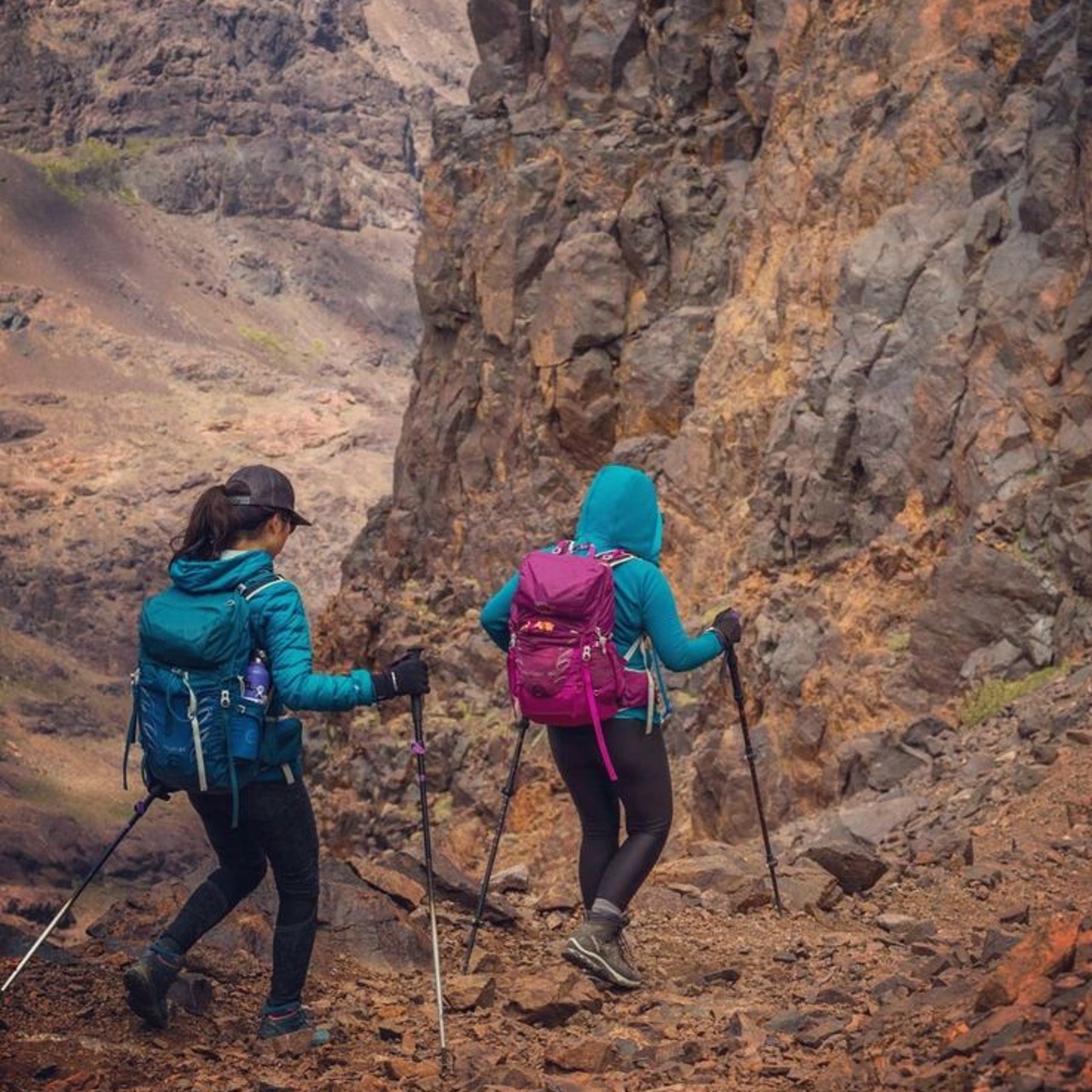
- Walk slower than feels natural on day one. Arriving at the refuge tired is the single most common reason people struggle the next morning.
- Drink steadily. Dry mountain air plus effort dehydrates people faster than they notice.
- Eat, even without appetite. Summit morning runs on what you managed the evening before.
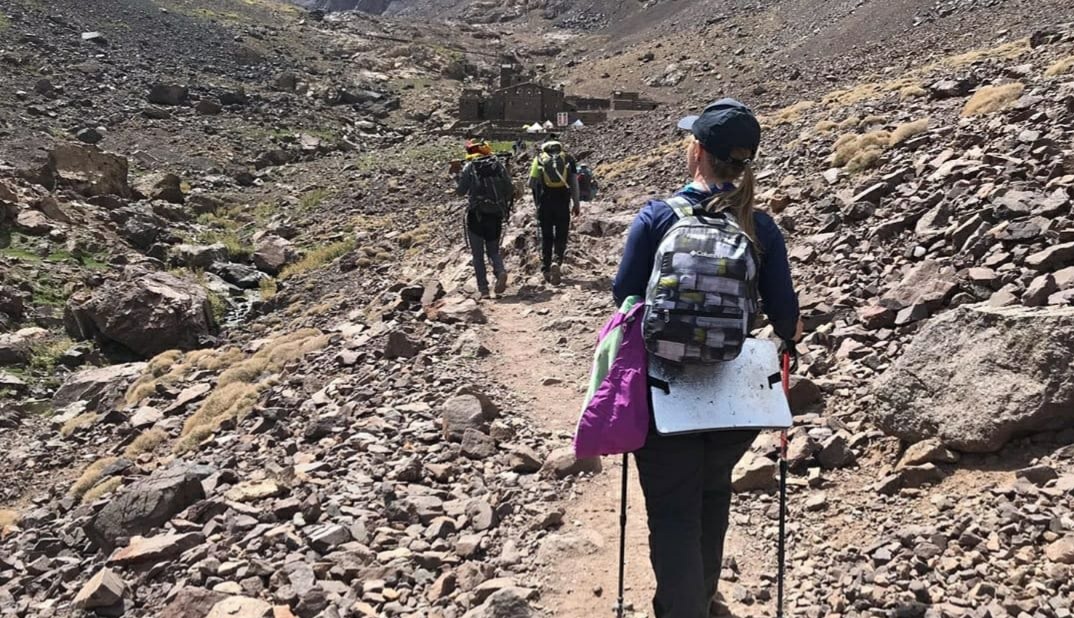
- Spend a day walking in the valleys first if your schedule allows — the Imlil day hikes do this well.
Does a longer itinerary really help?
For most trekkers, yes. The 2-day summit trek is efficient and popular, but it goes from Marrakech heat to 3,207 m within hours. The 3-day Azzaden route adds a valley day at moderate altitude before the refuge, and the 4-day itinerary more again. If you have never been above 3,000 m, that extra day is the most valuable thing you can buy. The itineraries are compared side by side in the Mount Toubkal trek guide.
Does fitness protect you from altitude?
No — and strong athletes sometimes fare worse because they push a pace their acclimatisation cannot support. Fitness makes the walking easier; only time, hydration and pacing help the altitude. Read the difficulty guide for how the two interact.
Tell us on WhatsApp what your highest previous altitude was and how many days you have. We will recommend the itinerary that gives your body the best chance — not the shortest one.
Extra days are the simplest acclimatisation tool: see how the Toubkal itineraries compare.
Frequently asked questions
- How high is Mount Toubkal?
- The summit is 4,167 m. Treks start from Imlil at around 1,740 m and sleep at refuges at roughly 3,207 m.
- Is altitude sickness common on Toubkal?
- Mild effects such as breathlessness, poor sleep and reduced appetite are common. Severe altitude sickness is less common, and the response to worsening symptoms is always to descend.
- How can I acclimatise before Toubkal?
- Choose a longer itinerary, walk slowly on the first day, hydrate steadily, eat well and, if possible, spend a day walking in the valleys around Imlil first.
- Does being fit prevent altitude sickness?
- No. Fitness makes the walking easier but does not protect against altitude; pacing, hydration and time do.