Toubkal massif
Imlil, 90 minutes from Marrakech
North Africa's highest peak and the valleys around it. Two-day summit pushes, longer acclimatised itineraries and winter ascents.
Toubkal Views runs guided treks in the Moroccan High Atlas from two days to eight, from the classic Mount Toubkal summit at 4,167 m to long valley traverses and full winter expeditions. Every departure runs with a licensed Moroccan mountain guide, mule support for your luggage and a cook, and every itinerary starts with a transfer from your hotel in Marrakech.
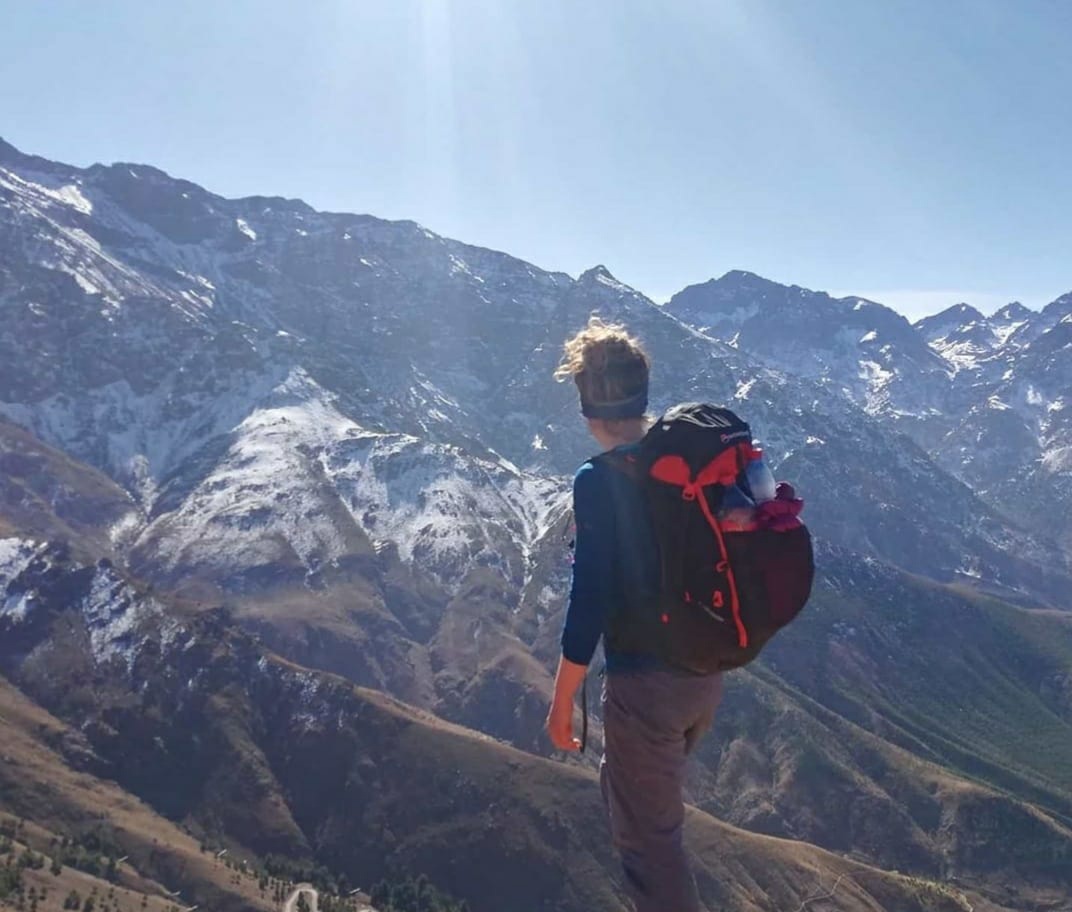
Jbel Toubkal is the highest mountain in North Africa at 4,167 m, and it is reachable without any technical climbing. From Imlil the standard route climbs the Mizane valley past the shrine of Sidi Chamharouch to a refuge at 3,207 m, then up scree and — in winter — snow to the summit ridge.
The honest question is not whether you can climb it, but how many days you give it. Two days works if you are fit and used to altitude. Four or five days, with an acclimatisation day built in, is what we recommend to most travellers, and it is why our success rate on the longer itineraries is so much higher.
Imlil at 1,740 m is the trailhead for almost everything in this part of the range: a working village of walnut terraces, mules and gites an hour and a half from Marrakech. Over the Tizi Mzik pass lies the Azzaden valley, greener, quieter and far less walked, with hamlets that still take an afternoon to reach on foot.
Our valley itineraries deliberately spend time down here before going high. It acclimatises you properly, and it is where the trek stops being a summit ticket and starts being Morocco.
Beyond Toubkal the range keeps going east for days. Our longer routes cross a chain of 3,000 m passes between Imlil and the Ourika valley, or link Toubkal with Ouanoukrim (4,089 m) on a point-to-point circuit through the western cirque.
On every multi-day trek mules carry the main luggage, a cook travels with the group, and you sleep in a mix of Berber gites, mountain refuges and supported bivouacs depending on the route.
From May to October the whole range is open, valley temperatures are high and starts are early. This is the season for long traverses and for anyone whose priority is distance and villages rather than snow.
From December to March the High Atlas is a snow range. Crampons, an ice axe and a helmet are provided, your guide teaches the technique before anything serious, and summit decisions are made on the day based on snow condition and avalanche risk. Winter departures are graded as mountaineering, not hiking.
Guides are licensed High Atlas mountain guides who live in these valleys; muleteers and cooks are hired from the villages the route passes through. Group size is capped, and any itinerary can be run privately on your own dates.
Prices for multi-day treks are quoted per group, because refuge fees, mule numbers and season all move the cost. Send us your dates and group size on WhatsApp and we reply with a firm price rather than a placeholder.
We run our own departures in the High Atlas and work with verified local mountain partners further east. Start with the region, then choose the itinerary.
Imlil, 90 minutes from Marrakech
North Africa's highest peak and the valleys around it. Two-day summit pushes, longer acclimatised itineraries and winter ascents.
West of Imlil
The quieter side of the same massif: village-to-village walking, gîte nights and shorter days, with or without a summit attached.
South of Marrakech
Day walking and short traverses in the closest Atlas valley to the city — waterfalls, terraces and easy access.
East of Marrakech, a long transfer away
Morocco's second-highest massif and the wide green valley beneath it. Longer, emptier and more pastoral than Toubkal. Quoted personally, not sold at a fixed online rate.
Filter the High Atlas programme by how long you have, how hard you want it and when you are travelling.
Duration
Difficulty
Season
15 treks
 Licensed mountain guide
Trekking
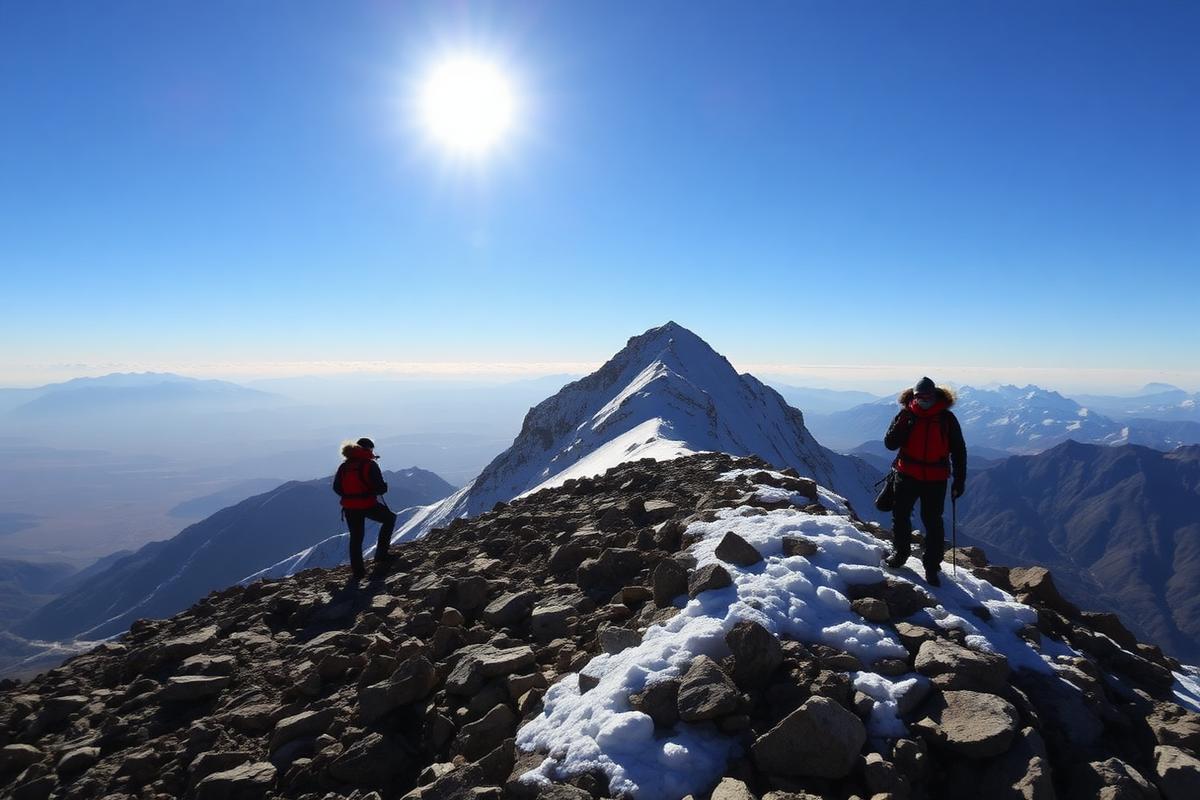
Climb North Africa's highest peak in two days from Marrakech with a certified mountain guide, refuge accommodation and all meals included.
From €144 €136.80 per personSave 5% when booking direct
 Best for acclimatisation
Trekking
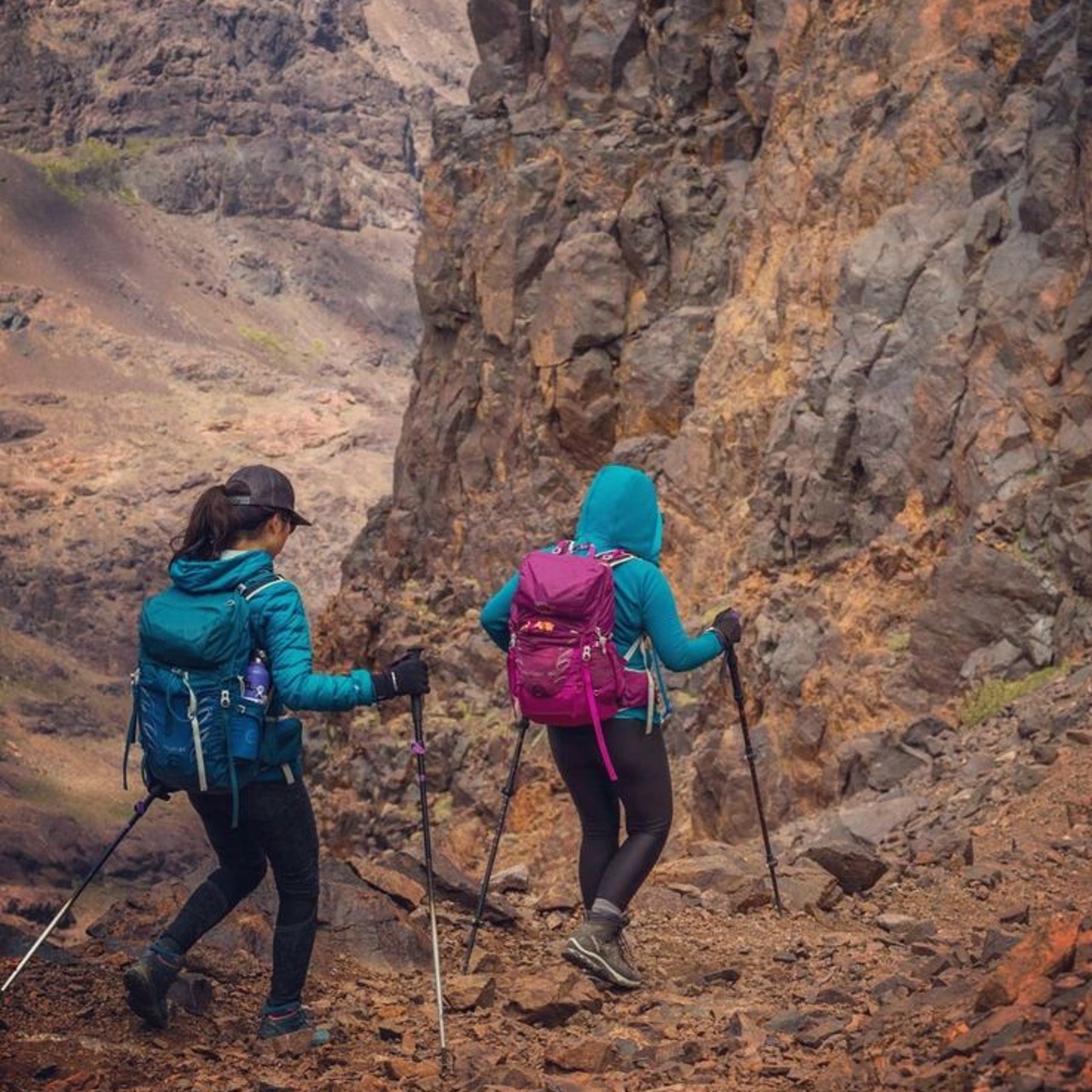
The kinder way to climb Toubkal: cross the green Azzaden valley and the Tizi Mzik pass, sleep in a Berber gite and a mountain refuge, then summit 4,167 m fully acclimatised.
From €235 €223.25 per personSave 5% when booking direct
 Private tour
Trekking
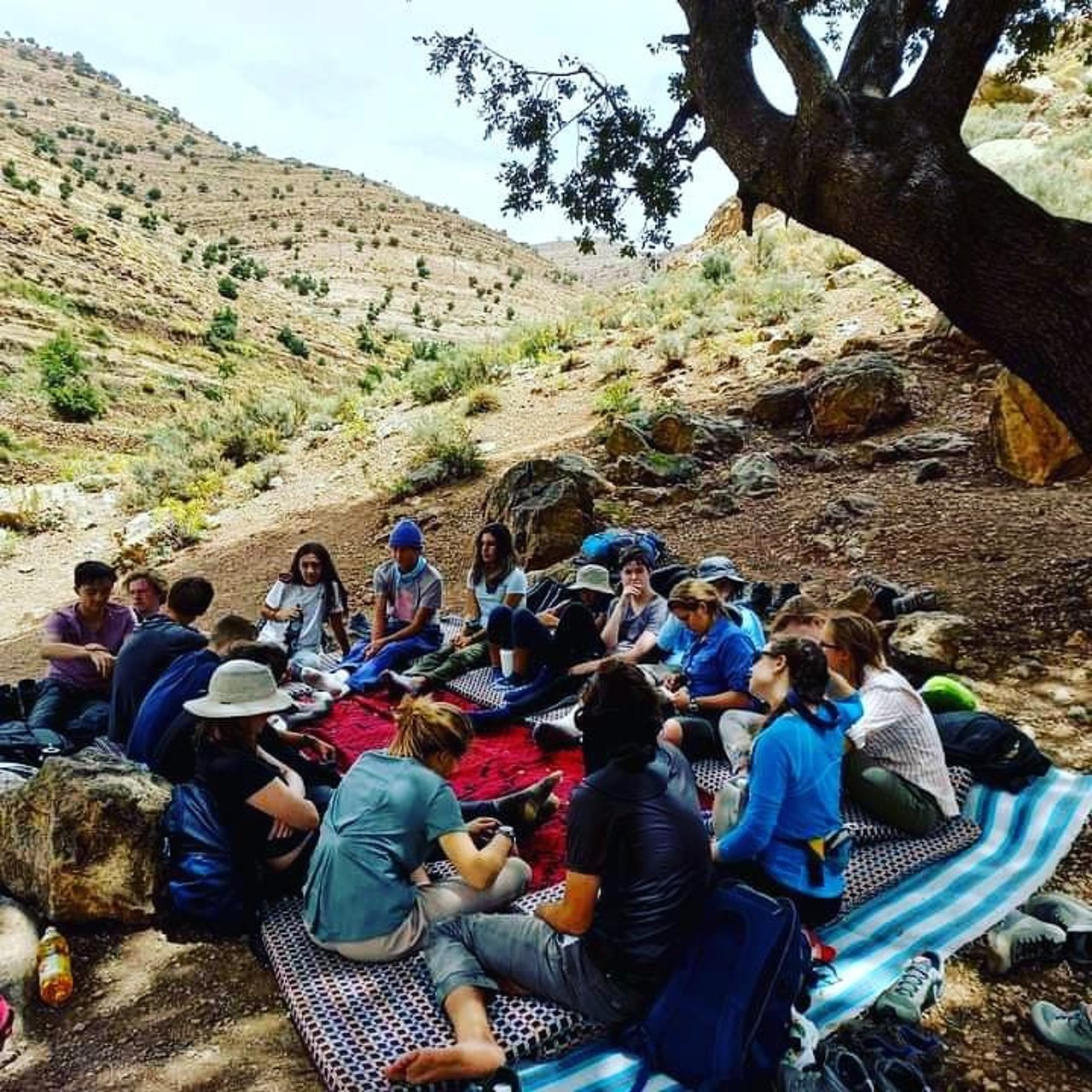
A gentle village-to-village trek designed for families: 3 to 4 hours of walking a day, extra mules for tired legs, nights in Berber guesthouses and bread baking with local families.
From €320 €304 per personSave 5% when booking direct
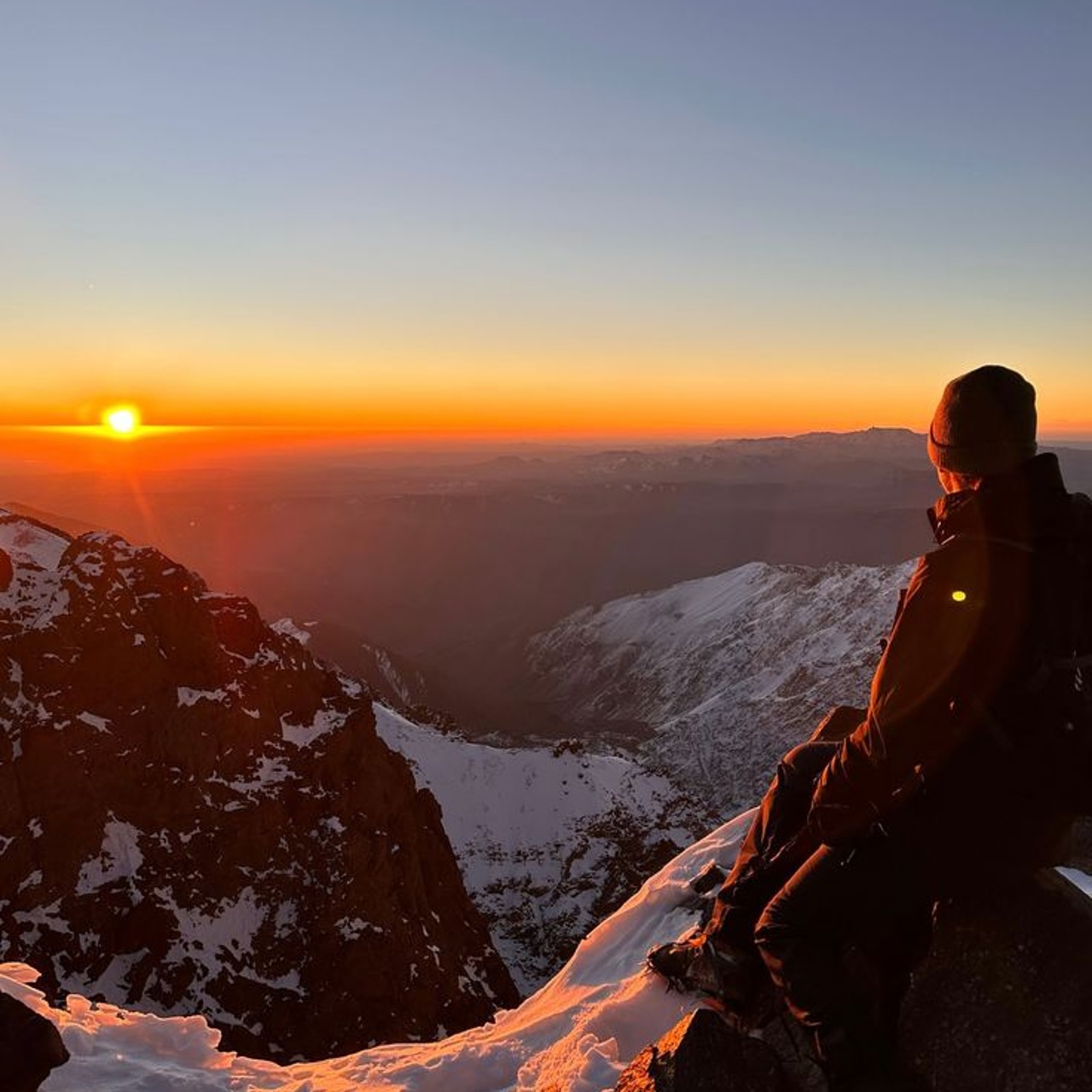 Extra acclimatisation day
Trekking
The unhurried way to climb North Africa's highest peak: three walking days with a full acclimatisation day before the 4,167 m summit push.
From €550 €522.50 per personSave 5% when booking direct
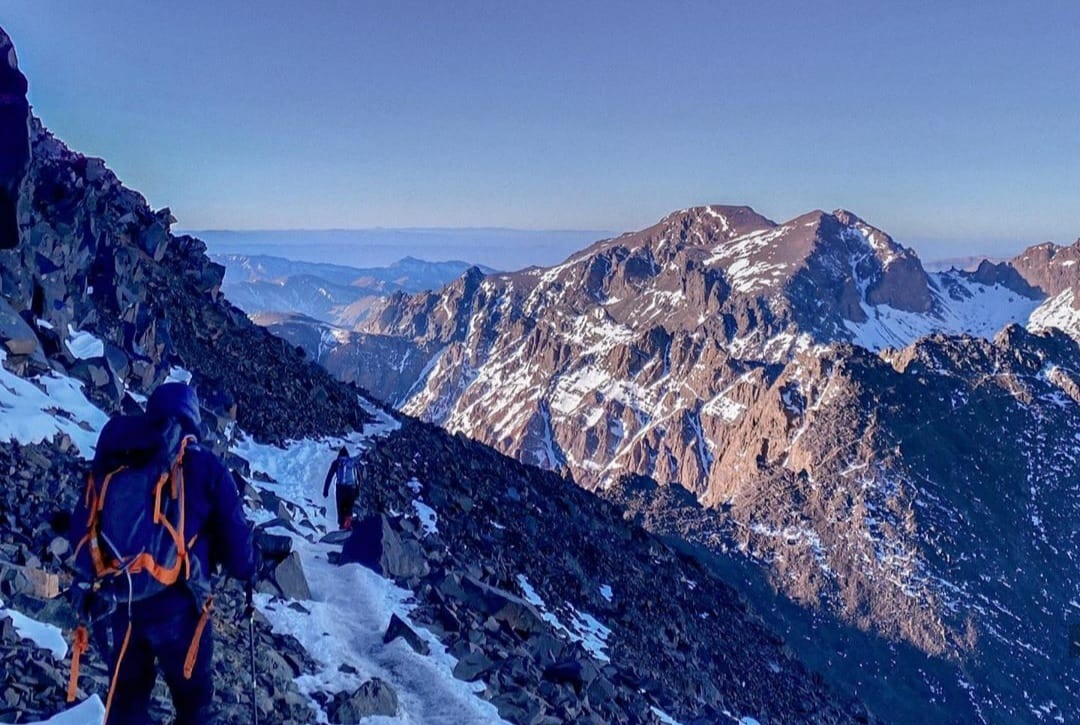 Two 4,000 m peaks
Trekking
A full High Atlas circuit: two 4,000 m summits, three high passes and the green valleys and villages in between, walking point to point rather than out and back.
From €590 €560.50 per personSave 5% when booking direct
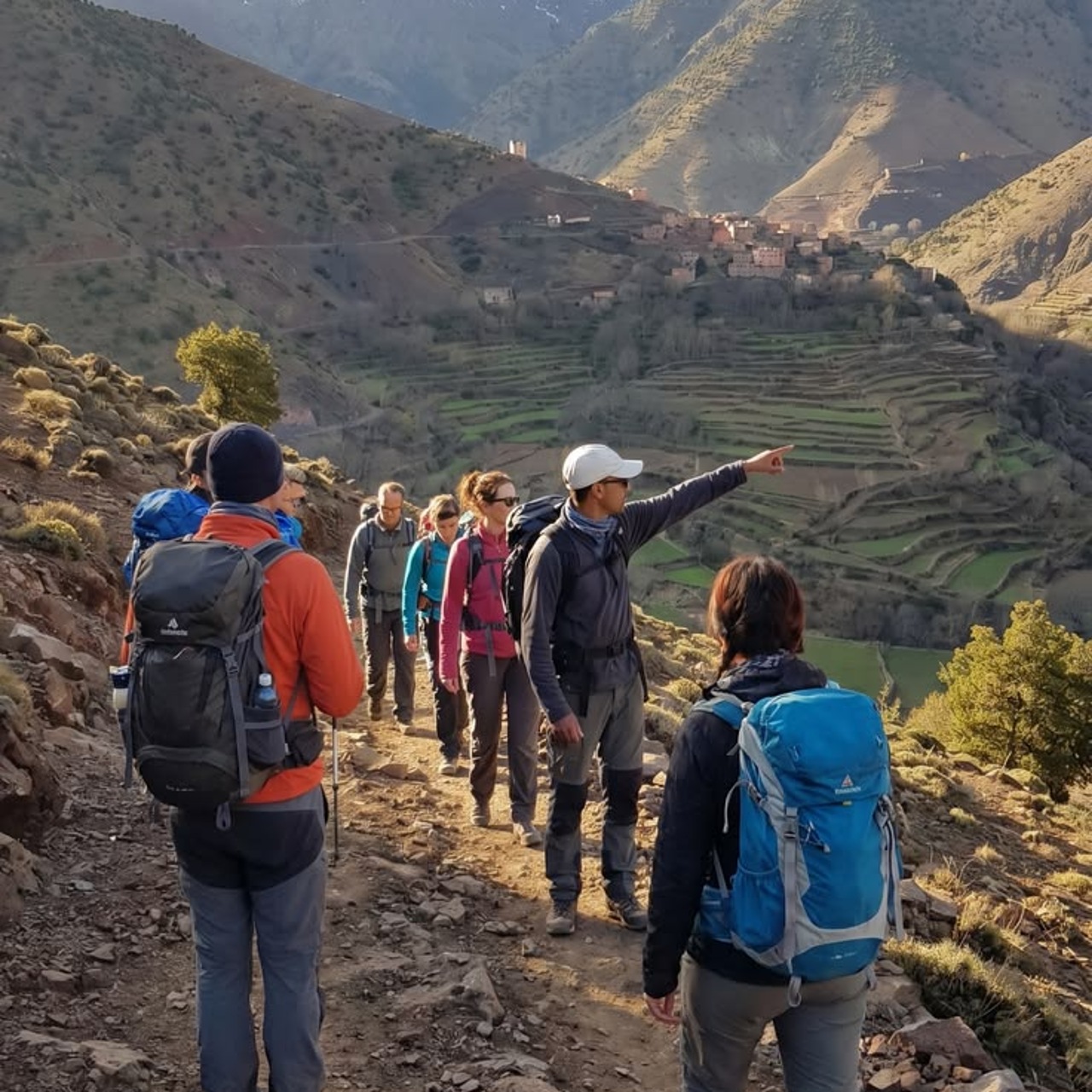 Villages + summit
Trekking
Walk into the mountains through inhabited valleys for three days, then summit Toubkal fully acclimatised — the most rewarding balance of culture and altitude.
From €950 €902.50 per personSave 5% when booking direct
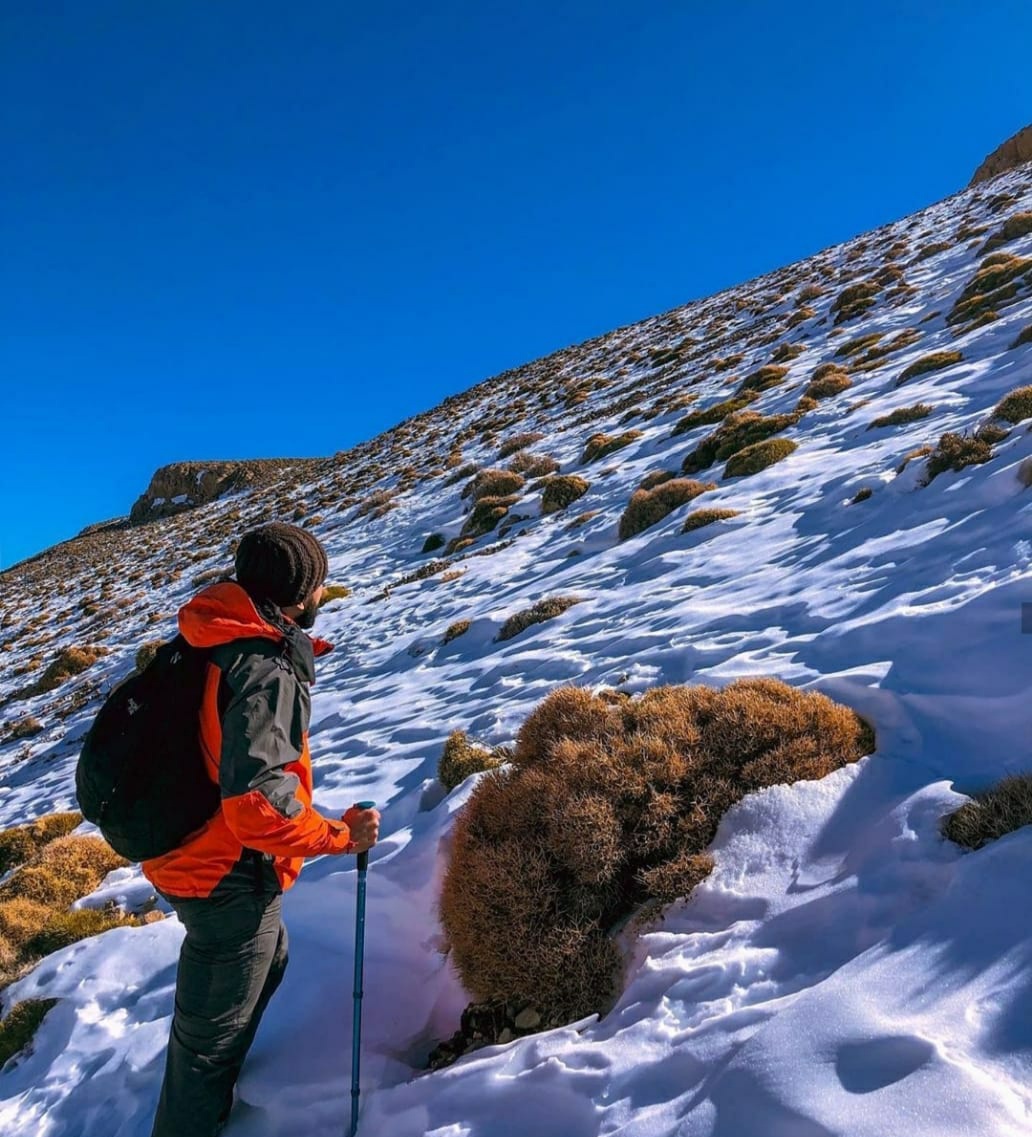 Winter mountaineering
Trekking
A full winter season expedition: snow skills training, several 3,000–4,000 m objectives and a Toubkal summit attempt with crampons, ice axe and a licensed guide.
From €1920 €1824 per personSave 5% when booking direct
Point-to-point traverseTrekking
The long summer crossing: eight days walking east from Imlil over Toubkal and a chain of high passes to the waterfalls of the Ourika valley.
From €1440 €1368 per personSave 5% when booking direct
Central High AtlasTrekking
Morocco's second-highest massif, walked from the Aït Bougmez valley: high pastures, nomad country and a long, non-technical ridge to the summit of Ighil M'Goun.
From €650 €617.50 per personSave 5% when booking direct
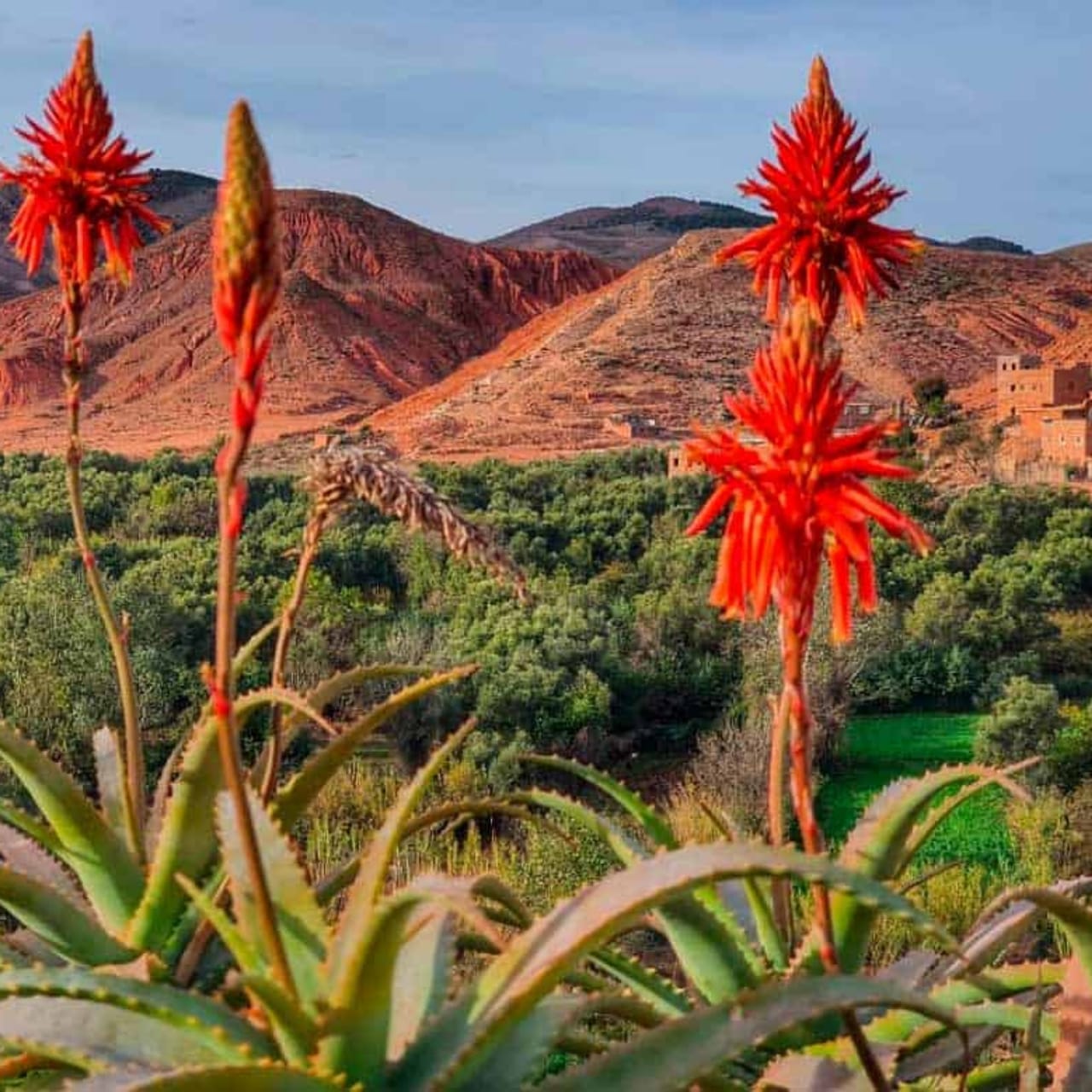 Valley trekking, no summit
Trekking
The valley trek for people who want the Central High Atlas without a 4,000 m summit day: flat-bottomed farmland, mud-brick villages and side valleys, walked at a human pace.
From €390 €370.50 per personSave 5% when booking direct
Two separate rangesTrekking
The long option: climb Toubkal above Imlil, transfer east, then walk the Aït Bougmez valley to the summit of Ighil M'Goun — two different massifs in one continuous trip.
From €1020 €969 per personSave 5% when booking direct
One night in a village giteTrekking
The short version of our village route: two walking days between High Atlas hamlets with a night in a Berber gite, mules carrying the bags and a cook on the trail. No summit attempt.
From €171 €162.45 per personSave 5% when booking direct
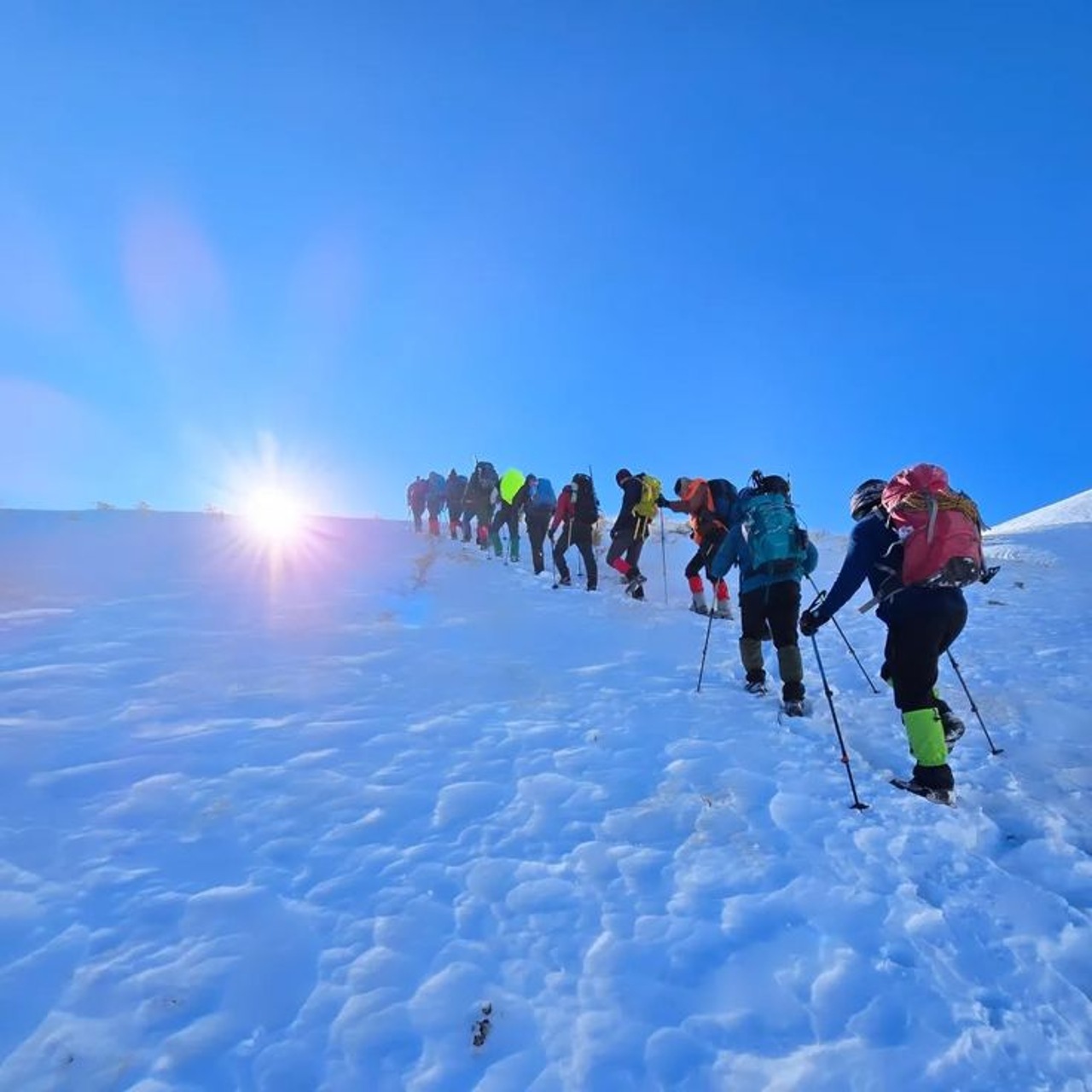 Short winter option
Trekking
The compact winter version: a valley night, a night at the Toubkal refuge and a summit attempt on crampons with a licensed winter guide — three days rather than eight.
From €460 €437 per personSave 5% when booking direct
Mountain + desertTrekking
North Africa's highest summit and a night in the Erg Chebbi dunes inside five days: two guided mountain days from Imlil, then the classic Merzouga desert route by road.
From €605 €574.75 per personSave 5% when booking direct
Leaves Marrakech 04:00 — very demanding — age 16–48Trekking
Leave Marrakech at 04:00, drive about two hours to Imlil and attempt the 4,167 m summit of Mount Toubkal and the descent in a single day with a professional mountain guide — then dinner in Imlil and the transfer back to the city.
From €117 €111.15 per personSave 5% when booking direct
Every question we are asked before a High Atlas trek, answered in one place by the guides who run them. Written from our own departures in Imlil — no prices or availability are quoted here; ask us for those. If you would rather work through it in order, start by comparing the Mount Toubkal treks.
Whether the trek suits you before you look at dates or prices.
The three decisions people get wrong before they look at dates.
When to climb, and which way up the mountain.
Altitude and fitness are what turn people back, not technical ground.
What you carry, what you rent in Imlil, and what a trek costs.
Marrakech to the trailhead, and what Imlil is like when you arrive.
How we work with muleteers and villages, and how to behave as a guest.
Trekking
Climb North Africa's highest peak in two days from Marrakech with a certified mountain guide, refuge accommodation and all meals included.
From €144 €136.80 per personSave 5% when booking direct
Trekking
The kinder way to climb Toubkal: cross the green Azzaden valley and the Tizi Mzik pass, sleep in a Berber gite and a mountain refuge, then summit 4,167 m fully acclimatised.
From €235 €223.25 per personSave 5% when booking direct
Trekking
The unhurried way to climb North Africa's highest peak: three walking days with a full acclimatisation day before the 4,167 m summit push.
From €550 €522.50 per personSave 5% when booking direct
No technical climbing skills are needed on any of our routes. You do need good general fitness and to be comfortable walking 5 to 7 hours on rough ground. If Toubkal would be your first mountain, take one of the four- or five-day itineraries rather than the two-day version.
April to June and September to October are the most comfortable months. July and August are hot in the valleys but fine high up with early starts. December to March means snow above about 3,000 m and a winter itinerary with crampons and an ice axe.
No. On every multi-day trek mules carry your main luggage between overnight stops and you walk with a day pack holding water, layers and a camera.
A mix of family-run Berber gites in the villages, the mountain refuges at around 3,200 m, and supported bivouac camps on the long traverses. Refuge nights are dormitory style with blankets.
Multi-day treks are quoted per group once we know your dates, group size and the season, because refuge, mule and staff costs vary. Message us on WhatsApp and we send a firm quote the same day.
Yes. Every trek starts and finishes with a private transfer between your hotel or riad in Marrakech and the trailhead.
Send us your dates and where you want to go. We reply with availability, your group price and a clear plan.