The Best Time to Climb Mount Toubkal, Month by Month
Toubkal can be climbed all year, but not by everyone in every month. This month-by-month guide explains when the standard route is a walk, when it becomes a snow climb, and which season fits your experience.
The short answer
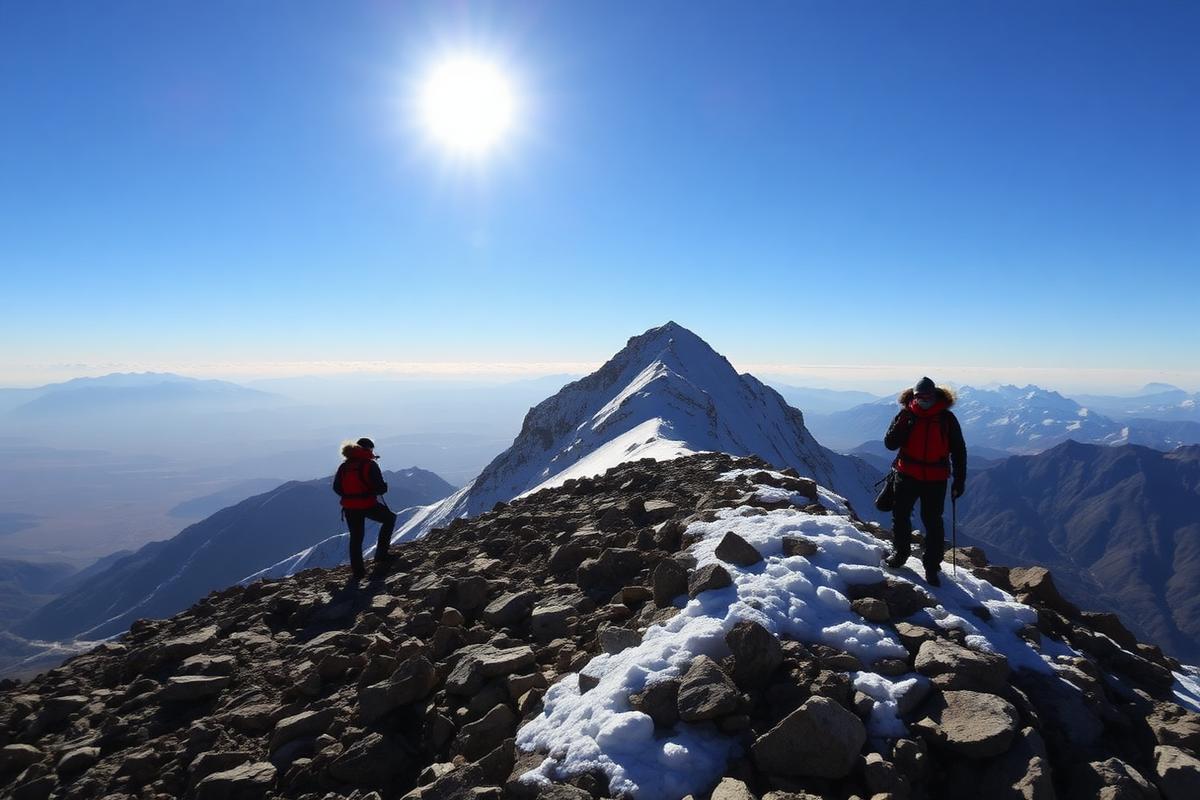
Late April to October is the walking season on Mount Toubkal. June to September is the most reliable. December to March is a winter mountaineering season needing appropriate technical equipment and experience.
Everything else is detail — but the detail matters, because the same 4,167 m summit is two quite different objectives depending on the month.
Month by month
December to February — winter
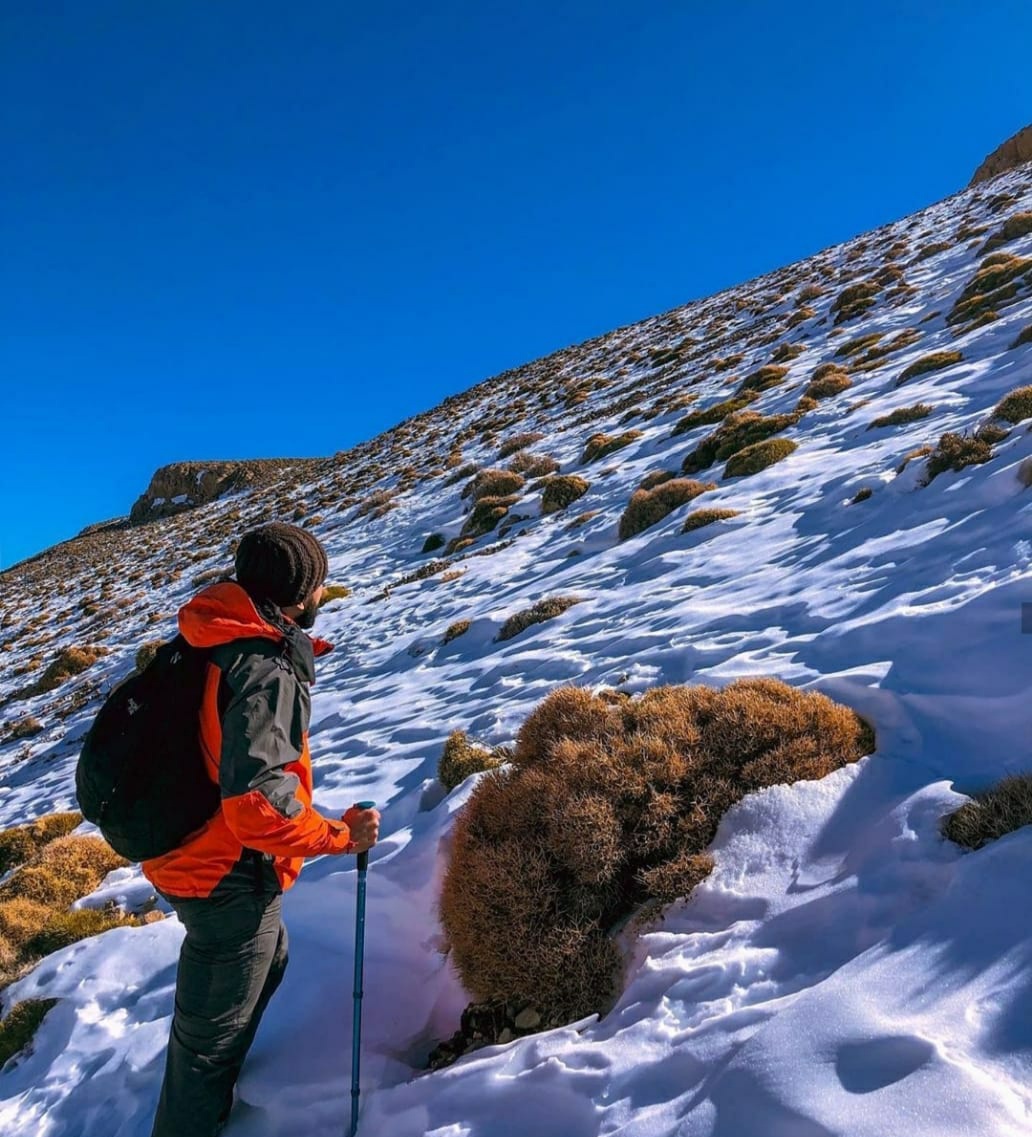
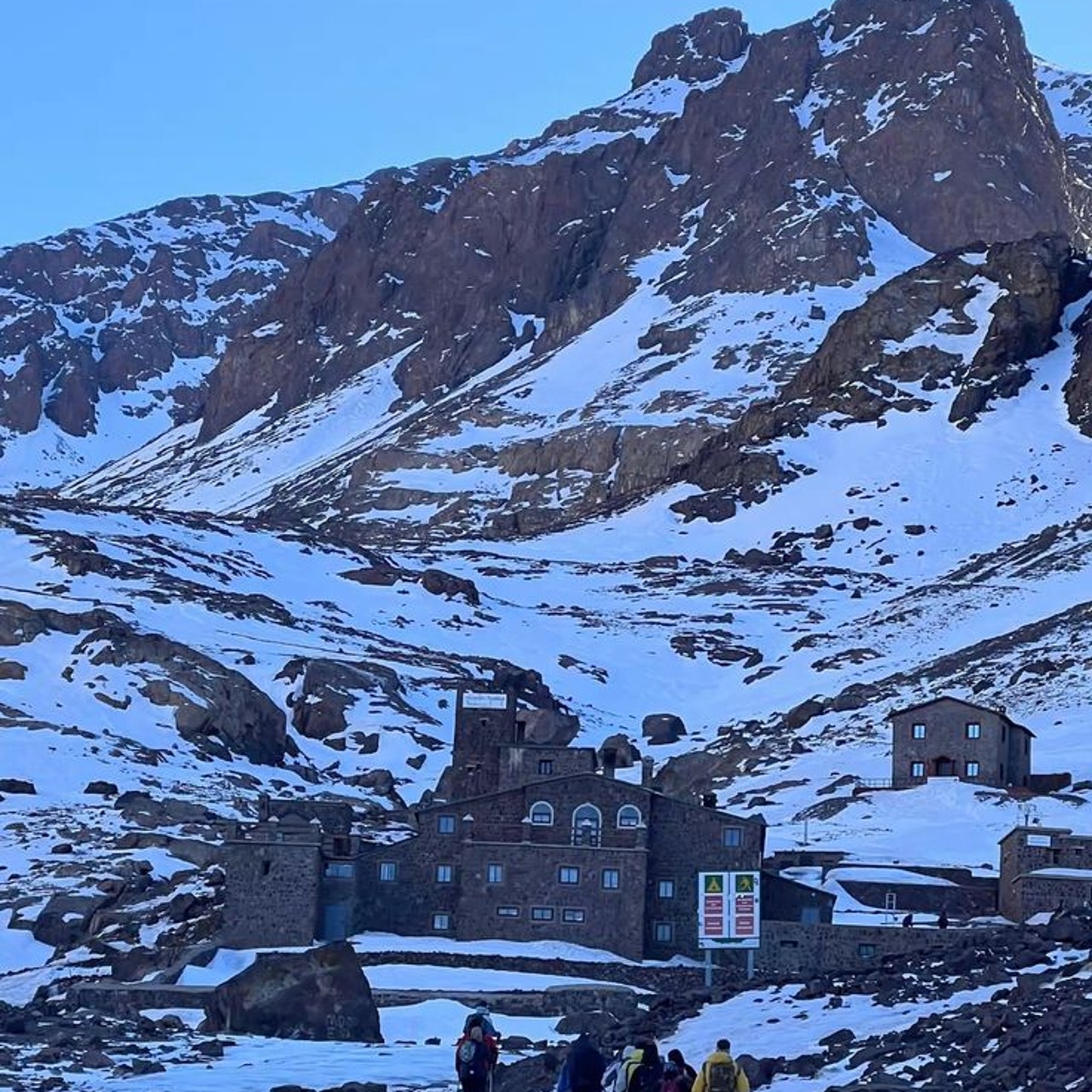
Snow on the upper mountain, cold nights at the refuge and short daylight. The summit push becomes a snow climb requiring the right technical equipment and the experience to use it. Valleys below Imlil often stay walkable and beautiful. If a winter summit is the goal, allow spare days: this is the season most likely to cost you a weather day, which is why our 8-day winter Toubkal expedition is built at that length rather than compressed.
March to mid-April — the transition
Unpredictable. Some years the route is largely clear by late March; others hold hard snow into April. Treat spring dates as conditions-dependent and ask about the current state of the mountain before committing to a two-day plan.
Late April and May — spring
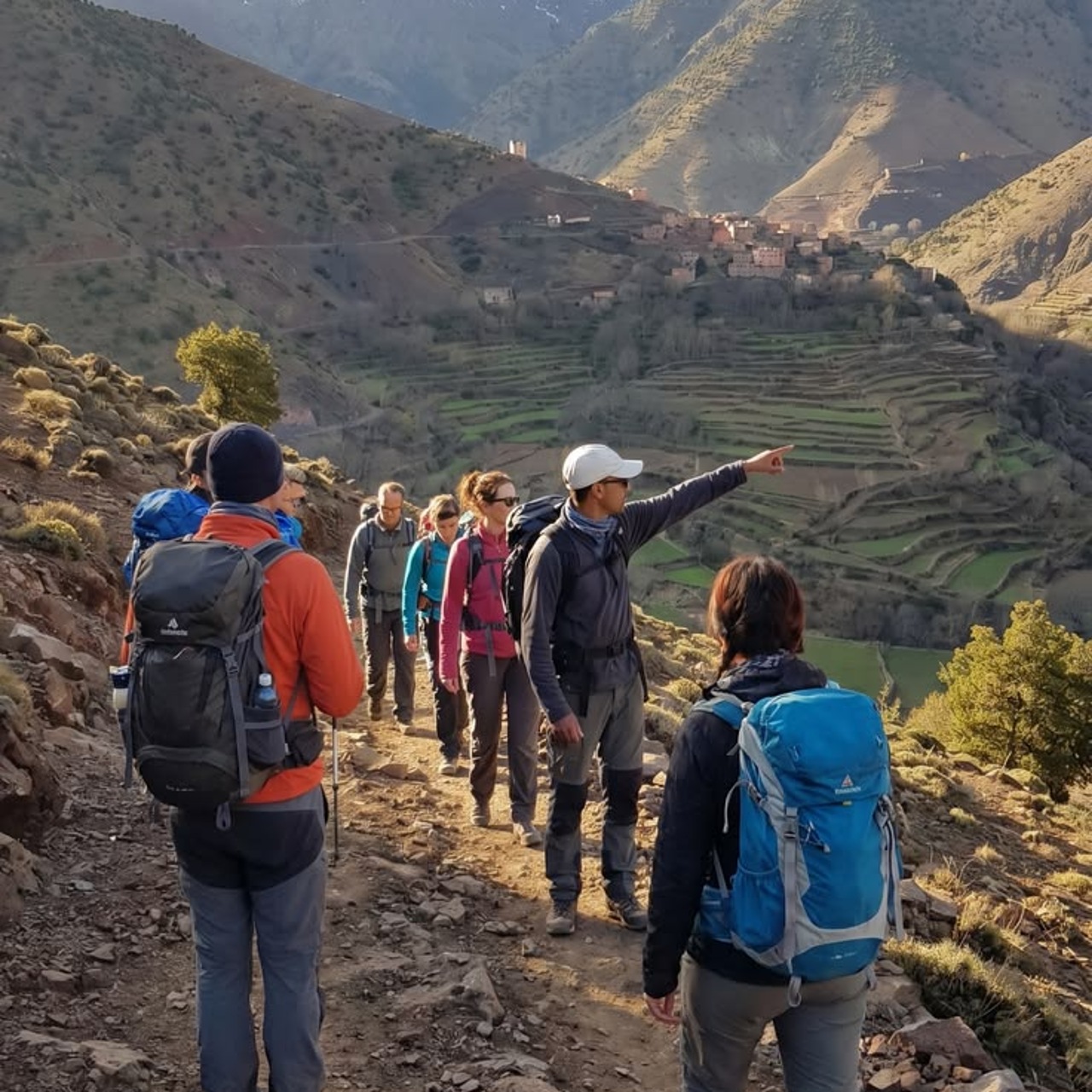
The valleys are at their best: green terraces, blossom, running water. High ground can still hold snow patches. A strong choice if you want the walk-in to be the highlight as much as the summit, and a natural time for the 5-Day Atlas Valleys and Toubkal Trek.
June to September — high summer
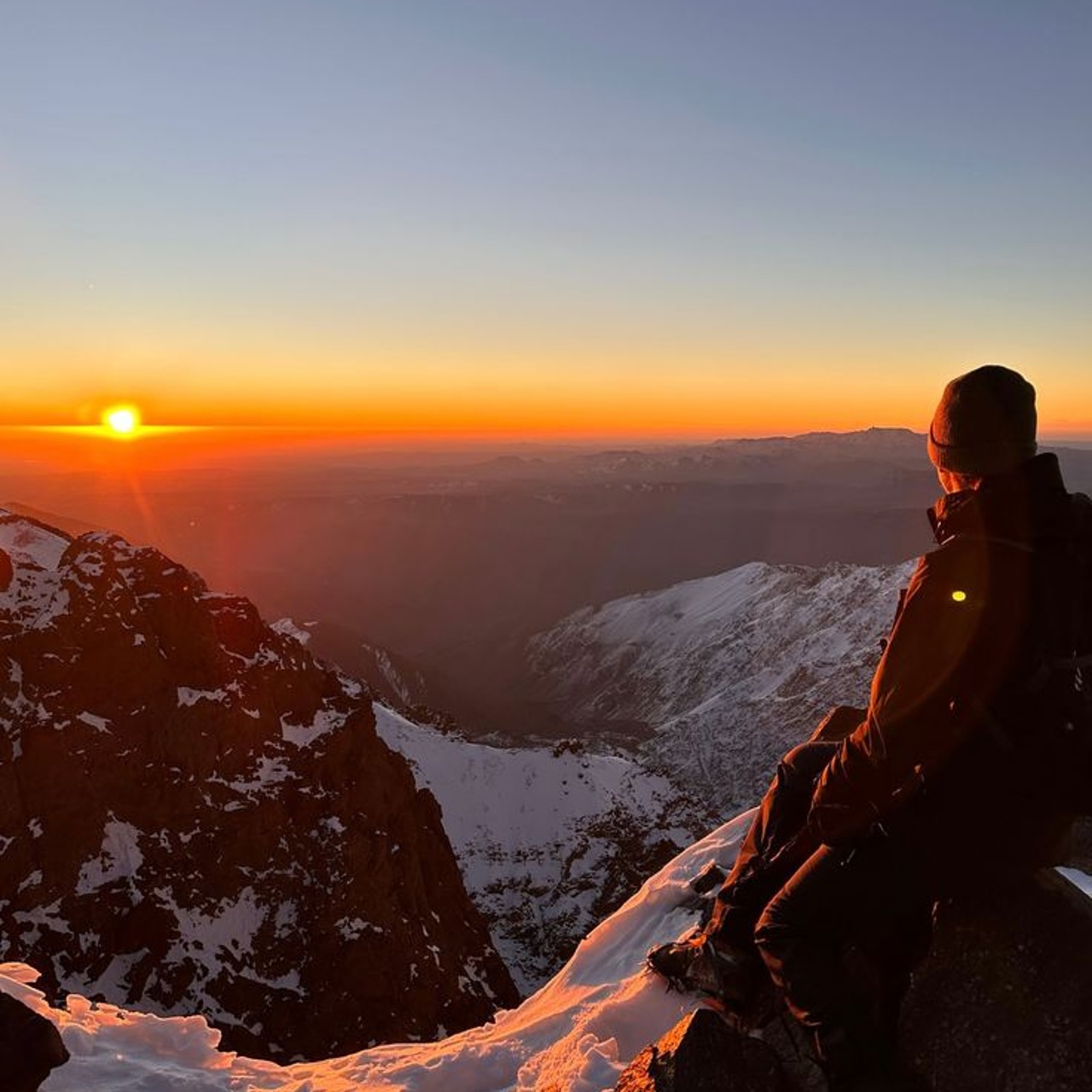
The most reliable window for a non-technical ascent, and the busiest. Practical realities: it is hot at valley level, thunderstorms can build on some afternoons, and everyone starts summit day in the dark for good reason. Sun protection matters more than most people expect at this altitude.
October and November — autumn
Cooler, quieter, often stable. Snow returns to the upper mountain at some point in this window and the exact timing varies year to year. For many trekkers this is the best compromise between conditions and crowds.
Choosing dates by experience
| You are | Best months | Why |
|---|---|---|
| A first-time 4,000 m trekker | June–October | Non-technical conditions, long daylight |
| Fit, short on time | June–September | Best odds of a two-day summit working — see the 2-day trek |
| Wanting quiet trails | Late September–November | Fewer trekkers, stable weather |
| Experienced on snow | January–February | Real winter conditions on the upper mountain |
| Travelling with limited altitude experience | Any walking month, with an added acclimatisation day — see the 4-day trek | The extra day matters more than the month |
Things that change with the season, not the date
- Daylight. Summit day starts pre-dawn all year; in winter it also finishes closer to dark.
- Temperature spread. The gap between a valley afternoon and a summit morning is large in every month.
- Water. Spring melt makes valley streams generous; late summer is drier.
- Refuge occupancy. Peak summer weekends and holiday periods are the busiest.
For the full route, difficulty and altitude picture, read the Mount Toubkal trek guide. If you already have dates in mind, send them to us on WhatsApp and we will tell you what conditions are realistic for that window.
Frequently asked questions
- What is the best month to climb Mount Toubkal?
- June to September gives the most reliable non-technical conditions, while late September to November is quieter with often stable weather.
- Can you climb Toubkal in winter?
- Yes, but from roughly December to March the upper mountain is snow-covered and the ascent becomes a winter mountaineering objective requiring appropriate technical equipment and experience.
- Is Toubkal too hot in summer?
- The valleys are hot, the high ground is not. Summit day starts before dawn, and sun protection at altitude matters more than the heat itself.
- Is there snow on Toubkal in spring?
- Often yes. March and April are transitional and the upper mountain can hold hard snow well into spring, so spring dates should be treated as conditions-dependent.