Luxury
Luxury Travel from Marrakech to the High Atlas Mountains
September 4, 2026 · 14 min read
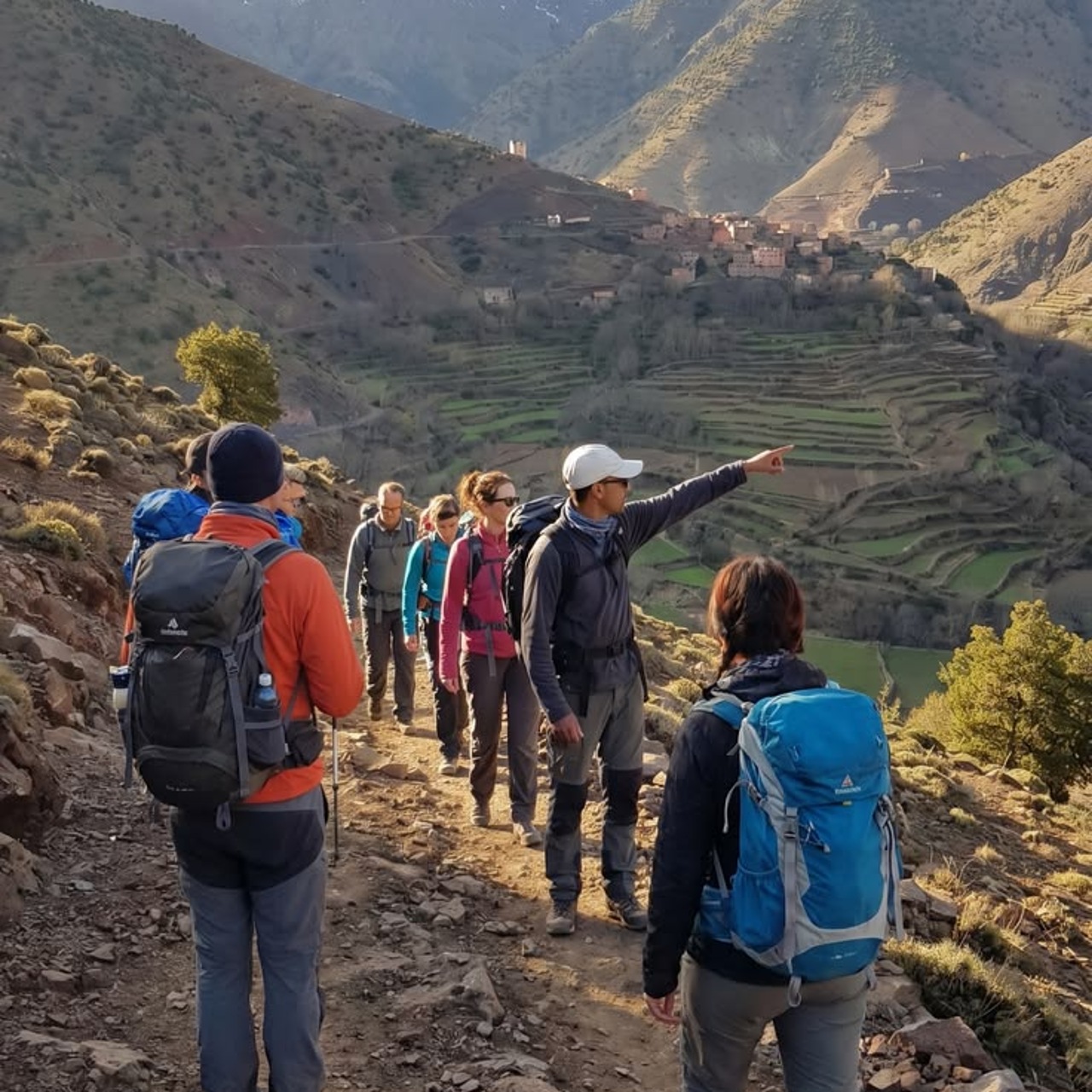
Imlil is approximately 1.5 hours from central Marrakech and almost nobody uses the range properly. What a private Atlas day really involves, why staying the night changes the trip, and how to choose between Asni, Imlil and the Azzaden valley.
Ninety minutes, and a different country
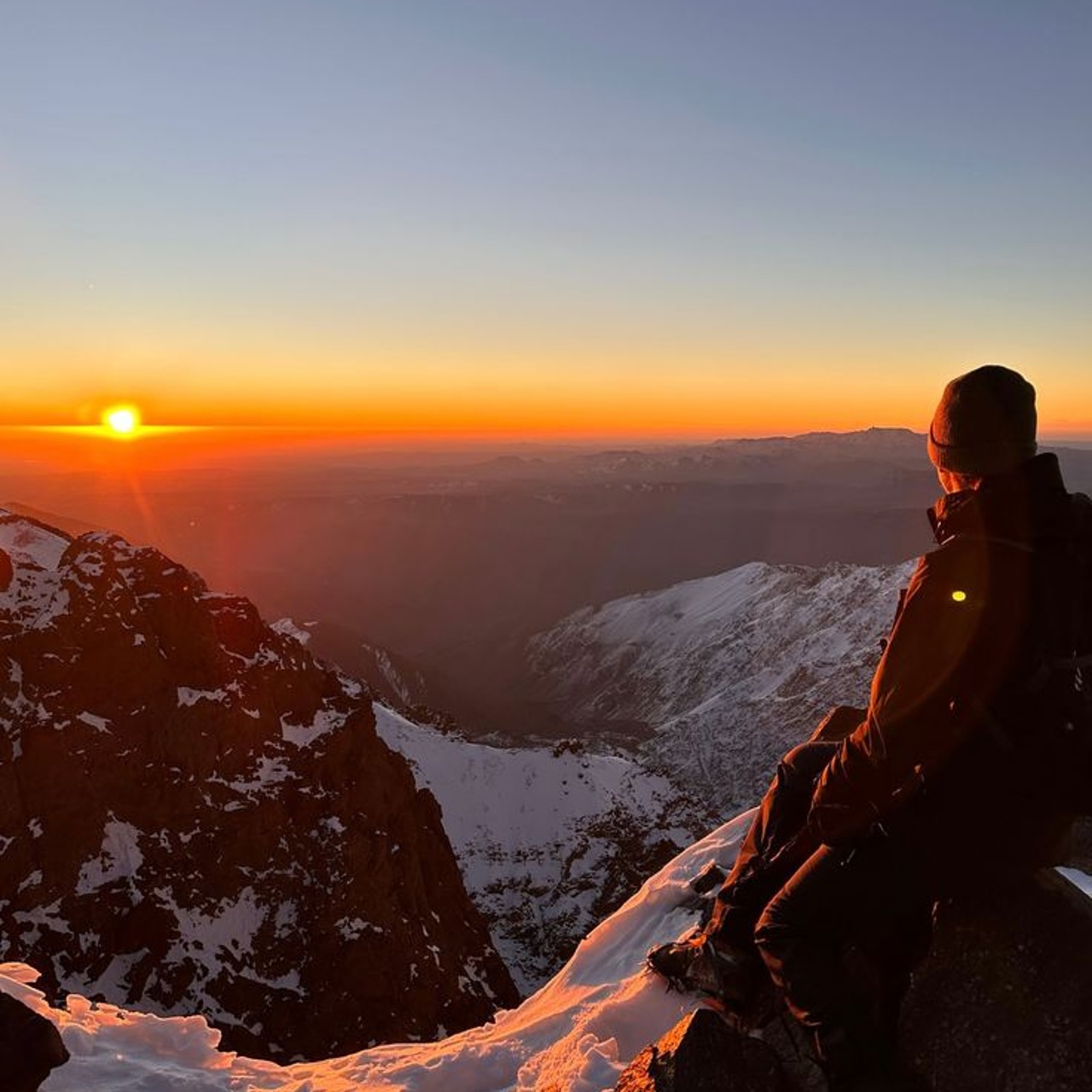
The road south out of Marrakech does something unusual: it changes the climate. Within an hour of leaving the Haouz plain you are climbing through terraced fields and walnut groves, the temperature has dropped several degrees, and the Toubkal massif — 4,167 metres, the highest point in North Africa — is directly in front of you.
Most visitors experience this as a coach day trip with a photo stop and a carpet shop. It is one of the great wasted opportunities in Moroccan travel, because the Atlas at a private pace is arguably better than Marrakech, and it is where our own company is based.
This article covers what a private High Atlas day and a private Atlas stay actually consist of, how the three main valleys differ, and how to judge whether an operator's mountain guiding is real.
Asni, Imlil or Azzaden: the three valleys and who they suit
The Asni valley is the first you reach and the gentlest. Terraced villages, an easy walking gradient, the Tuesday market at Asni, and the widest choice of high-end accommodation. Best for travellers who want the mountains as scenery and comfort as the priority.
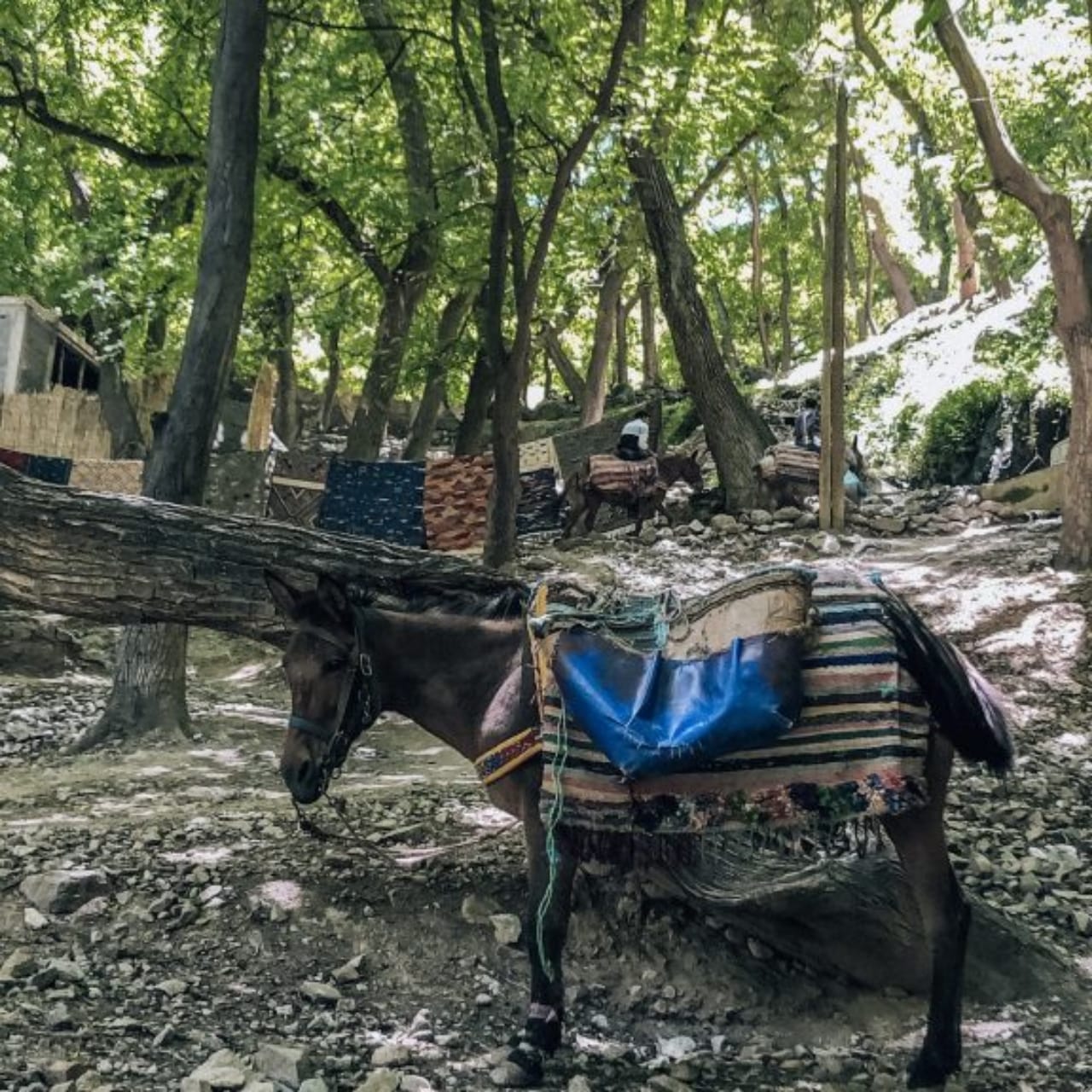
Imlil, at 1,740 metres, is the road head for Toubkal and the working heart of Moroccan mountaineering. Walnut groves, mule trains, guides' offices, and paths in every direction. Best for anyone who wants the mountains as an activity rather than a backdrop.
The Azzaden valley, over the Tizi Mzik pass from Imlil, is the quiet one. Fewer visitors, longer approaches and villages that see a fraction of the traffic. Best for a second visit, or for travellers who want a full day of walking that ends somewhere almost nobody goes.
| Valley | Drive from Marrakech | Character | Best for |
|---|---|---|---|
| Asni | c. 1h 10m | Terraces, market town, widest accommodation choice | Comfort-first, short walks, families |
| Imlil | c. 1h 30m | Mountain village, trailheads, mule culture | Walking days, Toubkal, first Atlas visit |
| Azzaden | c. 1h 45m + walk | Remote, quiet, longer approaches | Second visits, real hiking days |
What a private Atlas day actually looks like
Pickup from your riad between eight and nine, which already puts you ahead of the coaches. The drive itself is part of the day: the plain, the Kik plateau viewpoint if the light is good, Asni, then the climb into the valley.
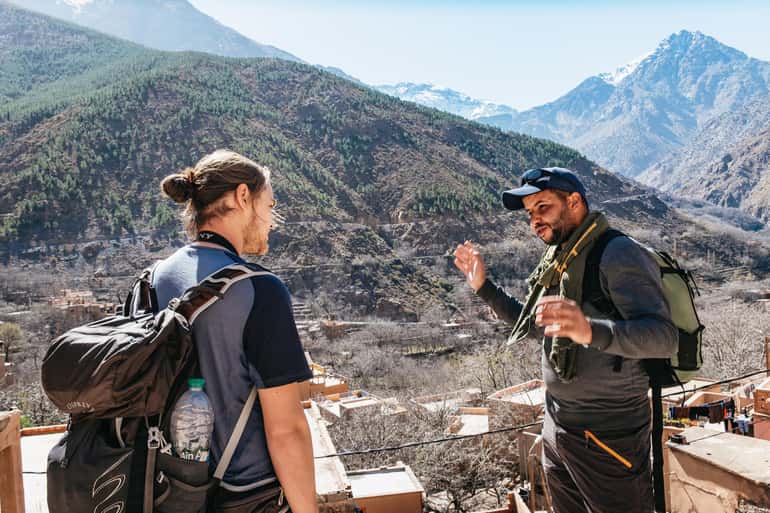
Your guide meets you at the road head and the day is decided there rather than in advance. That is the whole point of private guiding. What we agree with you on the morning depends on how you slept, what shoes you brought and how you feel about a gradient — anything from an hour along a village path to a full day with real ascent to a pass.
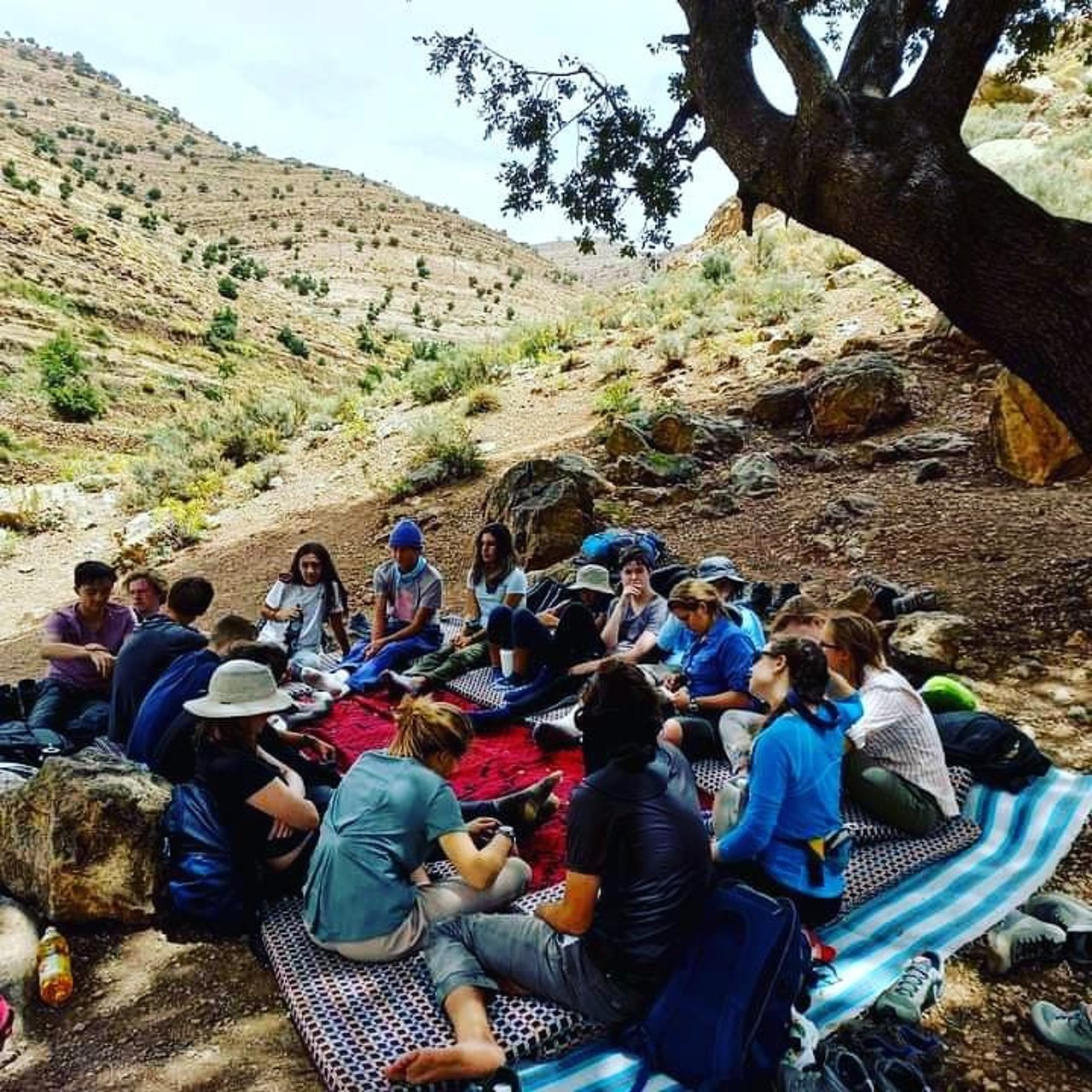
Lunch is either in a village house or laid out on the mountain, and it is usually the part people remember. Afternoons come back down for tea, or continue if you are enjoying it. You are back in Marrakech for dinner, or — better — you are not going back at all.
Why staying the night changes the trip
The Atlas empties at four in the afternoon. Every day-trip vehicle leaves, and the valley goes quiet in a way that is genuinely rare in southern Morocco. If you are already spending three hours on the round trip, the argument for staying is strong.
Practically: the air is ten degrees cooler than the city, which in summer is transformative; the walking is better in early morning light; and you get the evening, which is the best part of the day here. Mountain nights are cold from November to March — that is the appeal, not a drawback, provided you packed for it.
Our own Atlas programmes are built around two nights in the Asni valley, with a mountain day in between shaped on the morning, private transport from and back to the airport, and a named guide from the valley itself.
How to tell whether the guiding is real
Four questions separate an accredited mountain guide from a driver with a good jacket. Is the guide formally qualified for mountain terrain, and can that be evidenced? Is there insurance covering the activity? Is the guide from this valley, or brought up from the city for the day? And what is the plan if the weather turns at 2,500 metres?
An operator that answers those four crisply is fine. One that changes the subject is telling you something. In the High Atlas the difference is not comfort — in winter conditions above the refuge it is safety.
We work with accredited Moroccan mountain guides, and they are our own team from Imlil and the Asni valley rather than a subcontracted booking. Mule support is used where it makes a walk pleasant rather than punishing, and our animal-welfare position is published rather than implied.
Seasons in the Atlas, without the marketing
Spring, from March to May, is the best walking of the year: green terraces, blossom in the valleys, snow still on the high peaks and comfortable daytime temperatures. Autumn, September to November, is the second best and often the clearest.
Summer is hot on the approach and pleasant at altitude; the valleys are where Marrakech goes to escape July. Winter is beautiful and genuinely cold, with the clearest mountain views of the year — and any high route then is a technical proposition requiring winter equipment and a guide qualified for it, not an ambitious day walk.
Getting there, and why the vehicle matters
The Marrakech–Asni–Imlil road is tarmac and in good condition, so a comfortable minivan handles it easily; the rough sections are on the tracks beyond the road head, where a 4x4 is the right tool. Door-to-door pickup matters more here than anywhere else in the region, because medina riads are not reachable by car and the timing of the morning decides the quality of the day.
A grand taxi will take you to Imlil for very little money. It will not wait for you, it will not adapt if you come down early or late, and it will not be there at the road head at six in the evening. That is the whole case for private transport in the mountains.
Every journey in our luxury division is quoted individually, in writing, before anything is paid. We do not publish a nightly rate we have not confirmed for your dates.
Frequently asked questions
- How far is the High Atlas from Marrakech?
- Asni is about an hour and ten minutes by road, and Imlil about an hour and a half. The road is tarmac and in good condition throughout, so the drive itself is comfortable.
- Can you visit the Atlas Mountains as a day trip from Marrakech?
- Easily, and most people do. A private day gives you an early departure, a walk sized to your fitness and a village lunch. Staying a night is better if your schedule allows it, because the valley empties in the late afternoon.
- Do I need to be fit for an Atlas Mountains day?
- No. A private day is built around what you can comfortably do, from an hour on a level village path to a full day with significant ascent. Only the high routes and Toubkal itself require genuine fitness.
- What should I wear in the Atlas Mountains?
- Walking shoes with grip, layers, and something windproof — the valley can be fifteen degrees cooler than Marrakech and the temperature drops fast in the late afternoon. From November to March add a warm jacket, hat and gloves.
- Is it safe to walk in the High Atlas?
- Yes, with an accredited guide and appropriate equipment for the season. The risks are altitude, weather change and, in winter, snow and ice on the high routes — all manageable with a qualified guide who is from the valley and knows the conditions.