Luxury
Private Travel in Morocco: Drivers, Guides, Riads and Bespoke Experiences
September 4, 2026 · 14 min read
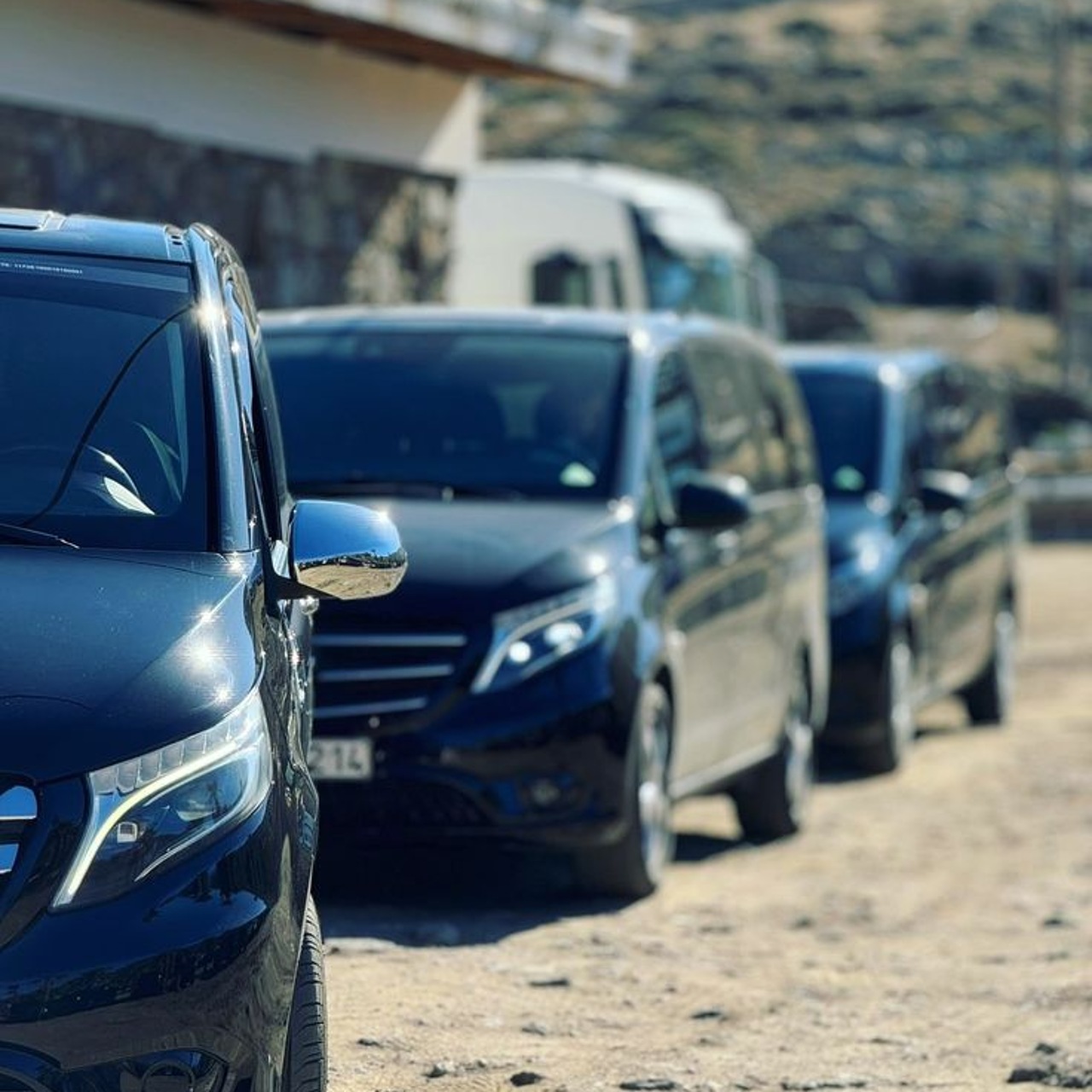
The practical mechanics of travelling privately in Morocco — what a driver does and does not do, how guiding is licensed, choosing between a riad and a resort, and how to brief an operator so the quote comes back right the first time.
Private trips with your own driver
Prices are per person and come from each trip page.
Why Morocco rewards private travel more than most countries
Three features of Morocco make private travel unusually worthwhile. Distances are long and internal flights are limited, so a great deal of your trip happens in a vehicle. The medinas are genuinely difficult to navigate, and the difference between guided and unguided is enormous. And access — to a village lunch, an artisan's workshop, a mountain valley at the right hour — runs on relationships rather than on tickets.
None of that requires a large budget. It requires the right structure: your own vehicle and driver, a licensed guide where a guide is needed, accommodation chosen for your trip, and one point of contact. This article explains each of those parts so you can judge what you are being sold.
What a private driver in Morocco actually does
A driver in the Moroccan sense is not a chauffeur who waits silently. On a multi-day itinerary the driver is the constant of your trip: he collects you door to door, manages the route and the timings, knows where to stop, handles the practicalities at each end, and is available on the phone in between. English or French, depending on what you ask for.
What he is not is a licensed city guide. In Marrakech, Fes and the historic sites, Morocco licenses guiding as a separate profession, and a good operator brings in a licensed specialist for those hours rather than pretending the driver is one. Anyone telling you the driver will guide the medina is either cutting a corner or breaking a rule.
Vehicles follow the route. A Mercedes Vito or V-Class style minivan is the default for tarmac, airport transfers and long transits; a Toyota Land Cruiser, Prado or equivalent is required for desert pistes and rough mountain tracks. We match the vehicle to the terrain and confirm what you are getting for your dates rather than promising a model in advance.
| Role | What they do | When you need one |
|---|---|---|
| Private driver | Transport, routing, timings, door-to-door, practicalities | Every multi-day itinerary |
| Licensed city guide | Medina, monuments, museums, souks, history | Marrakech, Fes, Rabat, Meknes days |
| Accredited mountain guide | Atlas walking, Toubkal, altitude, weather, safety | Any walking day in the mountains |
| Local specialist | Craft, cooking, artisans, cooperative visits | Where a specific access matters |
Riad or resort: a decision most people make backwards
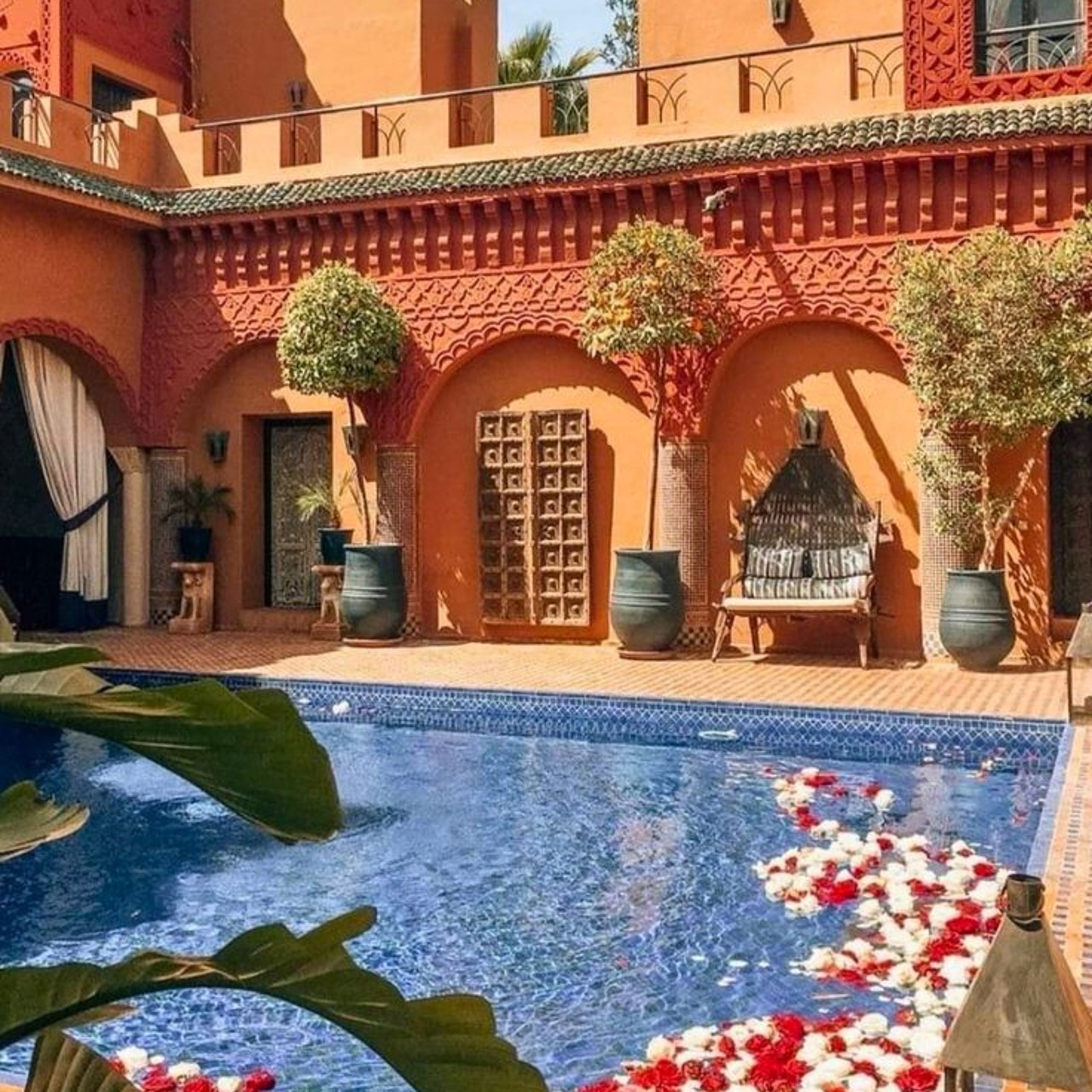
A riad is an inward-facing courtyard house inside the medina. Typically five to fifteen rooms, a plunge pool rather than a swimming pool, a roof terrace, and staff who will know your name by the second morning. You are inside the old city: you can walk out into it, and you can also hear it.
A resort or palace hotel sits outside the walls, usually in the Palmeraie or Hivernage. Gardens, full-size pools, a proper spa, quiet, space for children — and a fifteen-minute taxi between you and everything historic.
The mistake is choosing by star rating. A four-night Marrakech stay usually works best split: two nights in a riad for the medina, two nights outside for the pool. On a longer trip we frequently recommend adding the mountains instead of a second city stay, because the change of air does more for the trip than a change of hotel.
Bespoke does not mean expensive, it means specified
A tailor-made Morocco itinerary is not a luxury upgrade of a package. It is the same country, arranged around your constraints instead of around a departure calendar. The reason it usually produces a better trip is that it forces someone to be honest about driving times, seasonal conditions and how much you can actually absorb in a day.
In practice, a good operator will push back on your first draft. Ours nearly always does: the most common change we make is to remove a destination and add a night. The second most common is to move a mountain day earlier in the trip, because travellers arrive tired and the Atlas is the best cure for a long flight.
The trade-off worth understanding is flexibility versus certainty. Fully flexible means deciding as you go, which works in low season and fails at Christmas. Fully specified means everything held and confirmed, which is what you want in high season and for any property with limited rooms.
Experiences that need arranging rather than booking
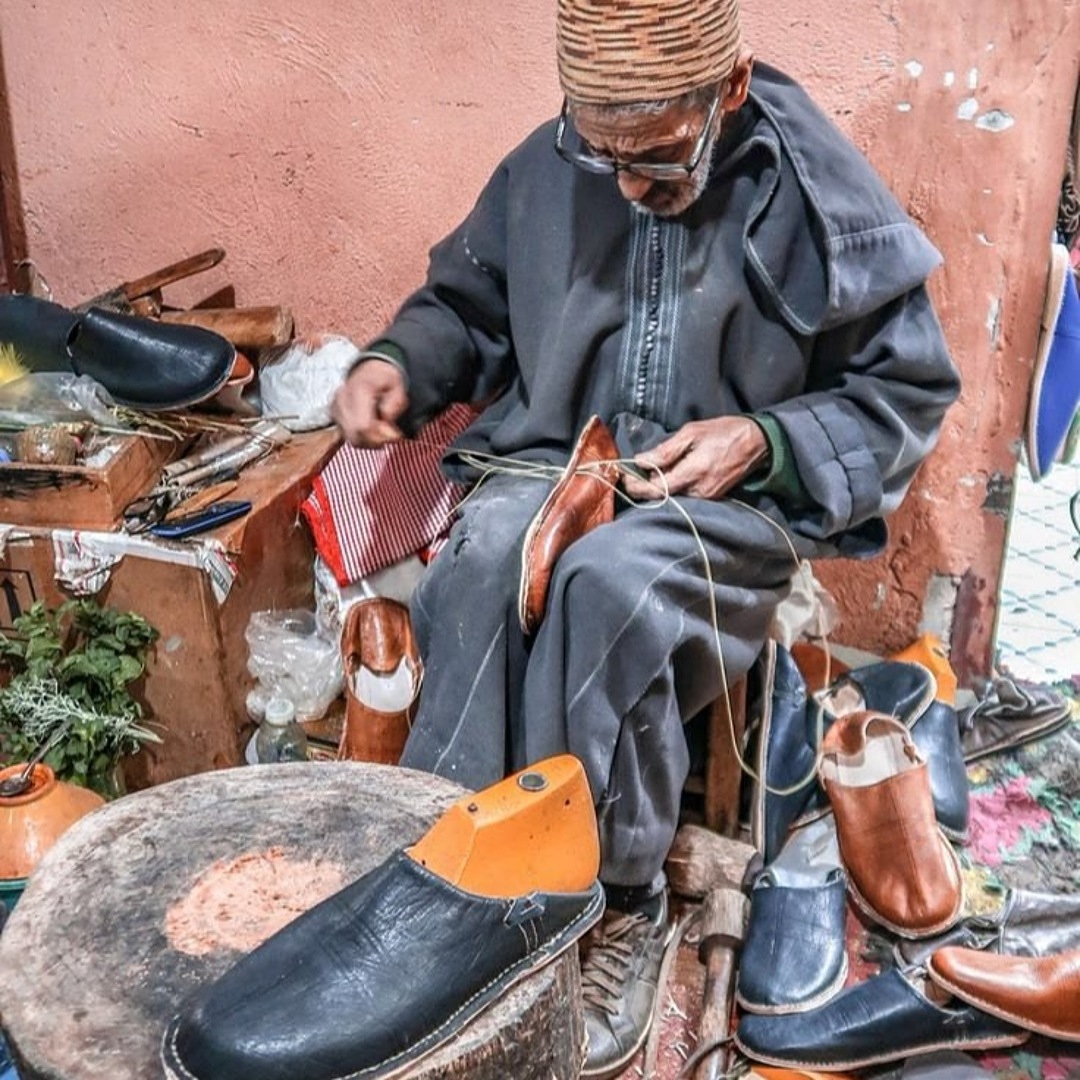
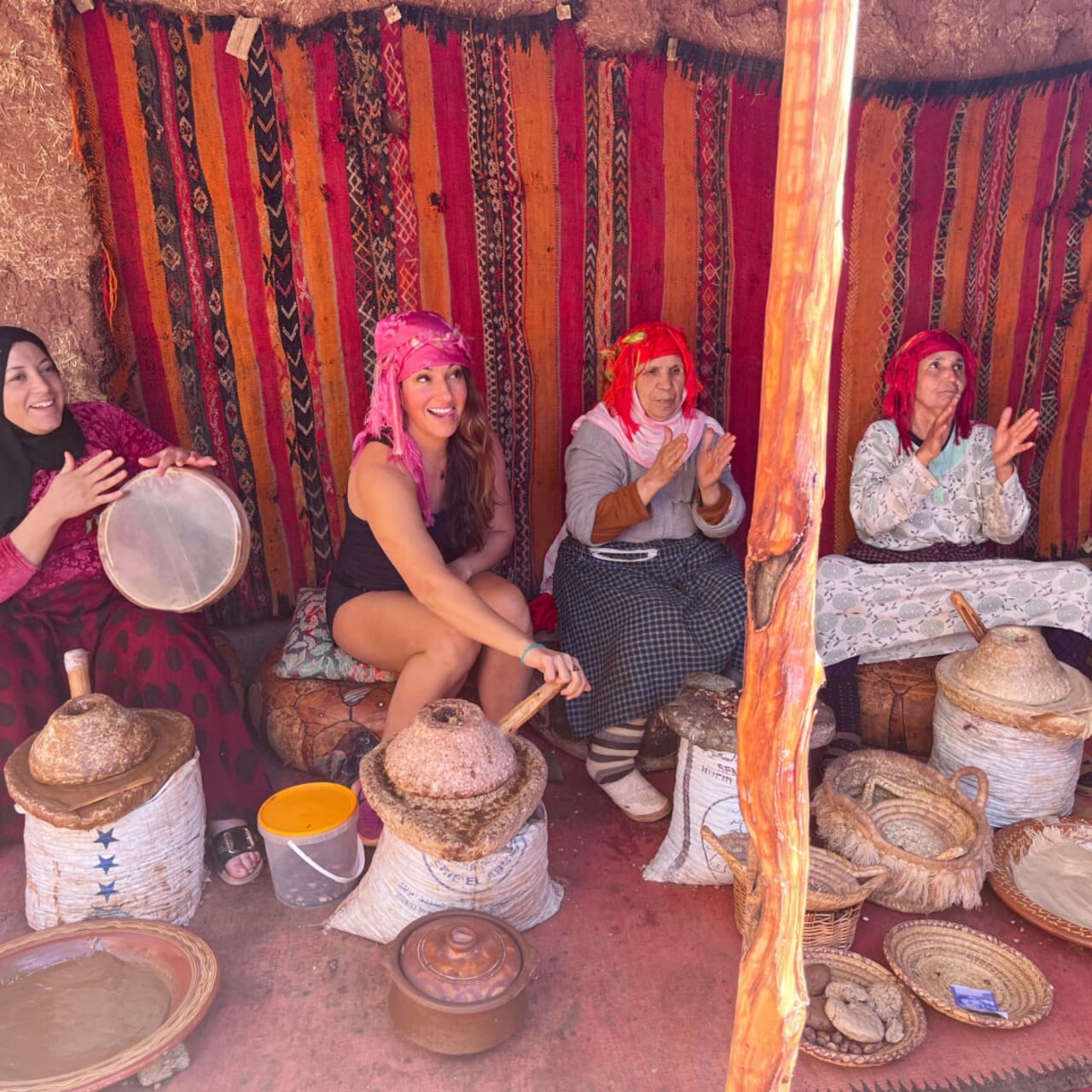
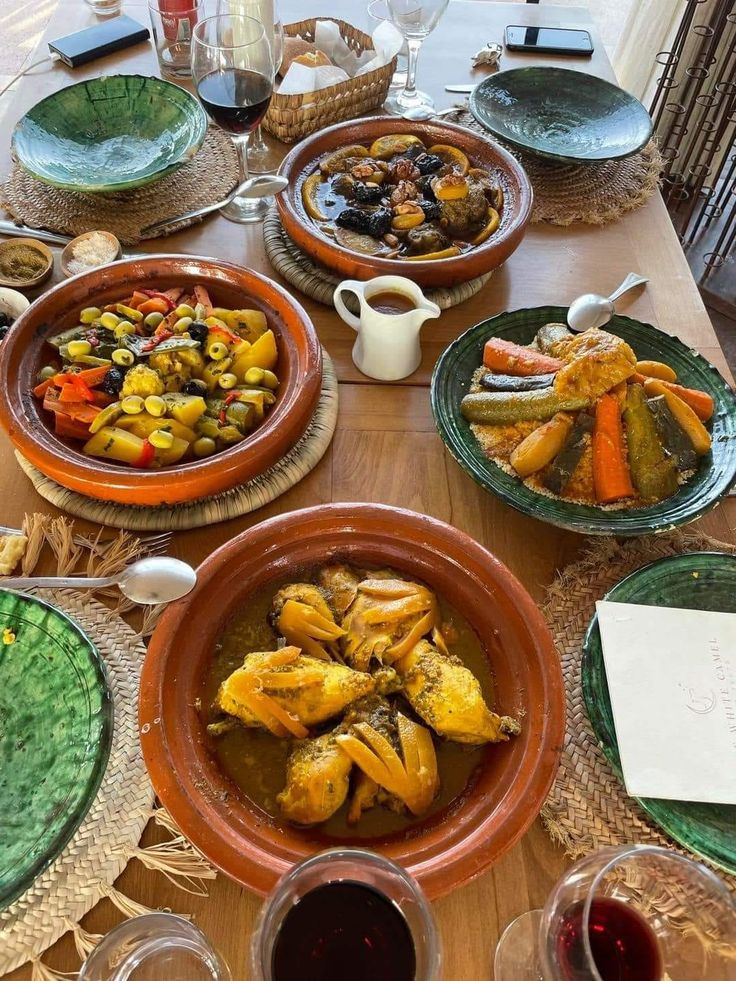
Some of the best hours of a Morocco trip cannot be bought on a website. Lunch in a family house in an Atlas village. Time with weavers who will explain what the motifs in an Amazigh carpet mean and how to tell a hand-knotted piece from a bazaar copy. A cooking session that is actually a cook teaching you rather than a scripted class. An argan cooperative where the work is being done because it is being done, not because a coach arrived.
These exist through relationships, and they are the clearest test of whether an operator is local. Our team lives between Marrakech and Imlil, which is why the mountain access is real. Where an experience depends on a supplier we do not control, we confirm it for your dates and tell you if we cannot.
One firm rule: nobody on our journeys is taken to a shop that pays us a commission. If you want to buy a carpet, we will take you to the person who made it and then leave you alone to decide.
How to brief an operator so the quote comes back right
Most quoting delays come from missing information, and the fix takes two minutes. Send six things: your dates, or the month and the number of nights. How many travellers and who they are to each other. Where you are flying into and out of. Your accommodation style — riad, resort, mountain, or a mix. Two or three things you definitely want. And one thing you definitely do not want, which is often the most useful line in the email.
Do not send a day-by-day plan copied from a blog and ask for a price. It anchors the conversation to someone else's route and it usually contains at least one impossible driving day. Send the shape and let the operator solve the geography.
Expect the reply to include: a proposed route with honest driving times, named accommodation or a clear tier, what is included and what is not, and one final figure. If a quote arrives without driving times, ask for them before you compare it with anything.
Payment, deposits and the questions worth asking
Ask what the deposit is and what it secures. Ask whether the accommodation is confirmed or merely proposed — those are different things, and only one of them survives a busy week. Ask what happens if a supplier cancels, and who you call at nine in the evening when a flight is delayed.
We quote one all-in figure in writing before anything is paid, confirm accommodation before requesting a deposit, and run every journey through a single WhatsApp thread from landing to take-off. Where a rate has not been verified for your dates, we say price on request rather than publishing a number we cannot stand behind.
Every journey in our luxury division is quoted individually, in writing, before anything is paid. We do not publish a nightly rate we have not confirmed for your dates.
Frequently asked questions
- How much does a private driver in Morocco cost?
- It is quoted per vehicle per day rather than per person, so the cost per traveller falls sharply with group size. The figure depends on the route, the vehicle class the terrain requires and the season, which is why we quote it for your specific itinerary rather than publishing a rate.
- Can my driver also be my guide?
- For the road and the countryside, yes. For the historic medinas and monuments, no — Morocco licenses city guiding as a separate profession, and we bring in a licensed specialist for those hours.
- Is it better to stay in a riad or a hotel in Marrakech?
- A riad gives you atmosphere and walking access to the medina; a resort outside the walls gives you space, a real pool and quiet. On a four-night stay, splitting between the two usually beats choosing one.
- What is the difference between a private tour and a bespoke tour?
- Private describes who you travel with — your group alone, with your own vehicle and guide. Bespoke describes who designed the route. A tour can be private but follow a fixed itinerary; a bespoke journey is built from your dates, pace and interests.
- How far in advance should I book private travel in Morocco?
- Two to three months is comfortable for most of the year. For Christmas, New Year and Easter, and for any property with a small number of rooms, three to six months is realistic — those dates sell out on accommodation long before transport becomes an issue.