Trekking in Morocco: How to Plan Your Route, Season and Trip Length
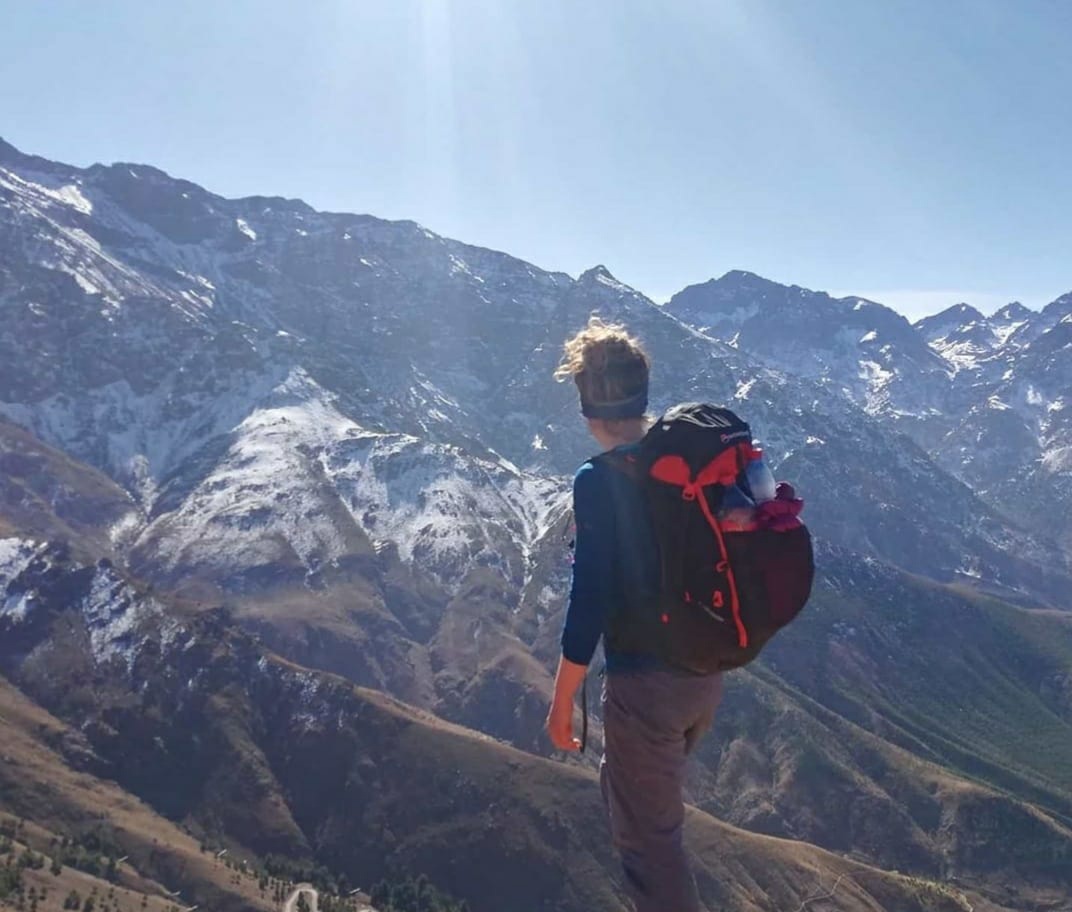
Morocco is one of the most accessible trekking countries in the world: you can leave Marrakech in the morning and be walking between mountain villages by lunchtime. This guide explains the regions, seasons, trip lengths and practicalities so you can choose a trek that actually matches your time and fitness.
Why Morocco works for trekking
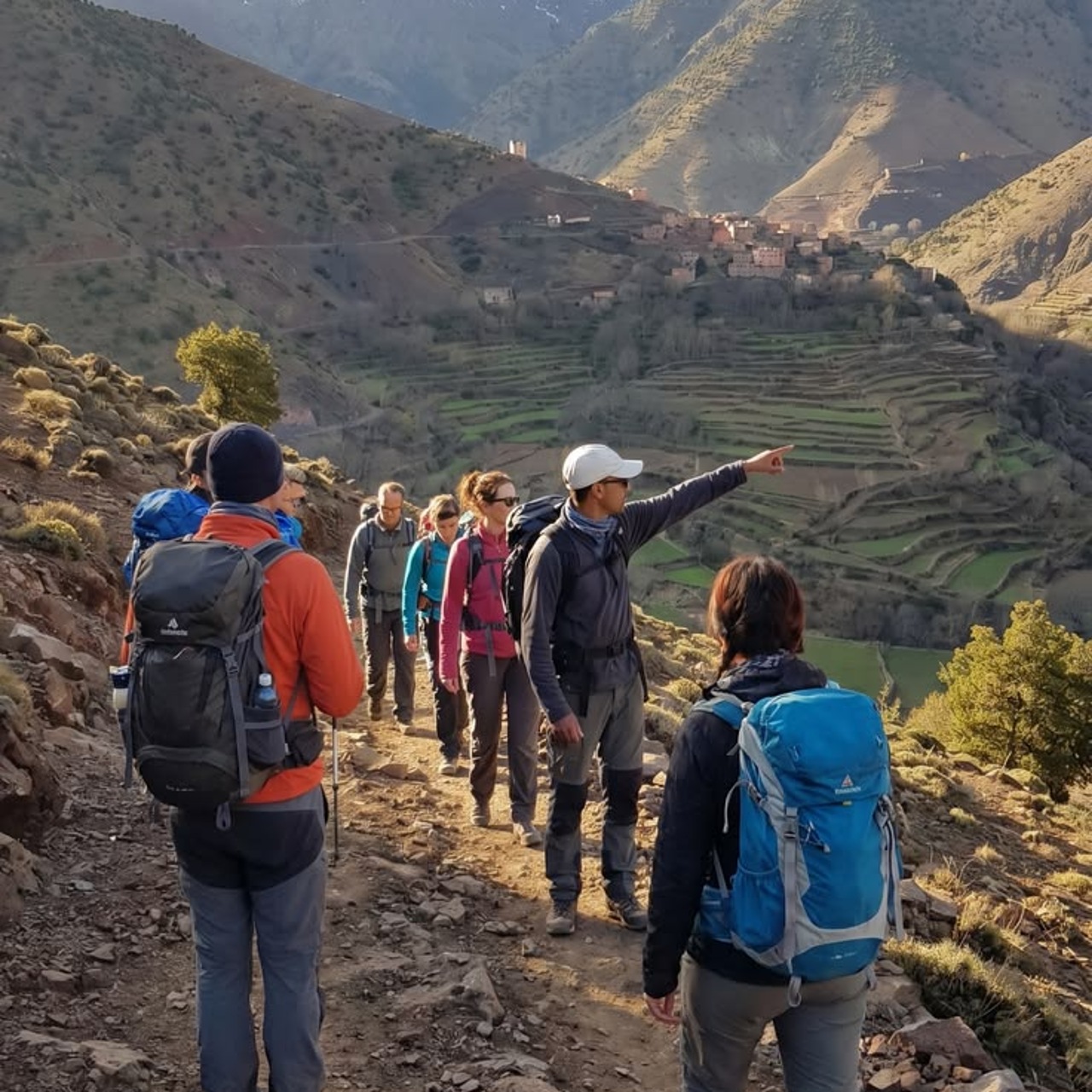
Three things make the High Atlas unusual. The mountains are high — Jbel Toubkal reaches 4,167 m, the highest point in North Africa. They are close — the trailhead village of Imlil is about 1.5 hours by road from Marrakech. And they are inhabited, so a trek here moves between working villages, terraced fields and walnut groves rather than through empty wilderness.
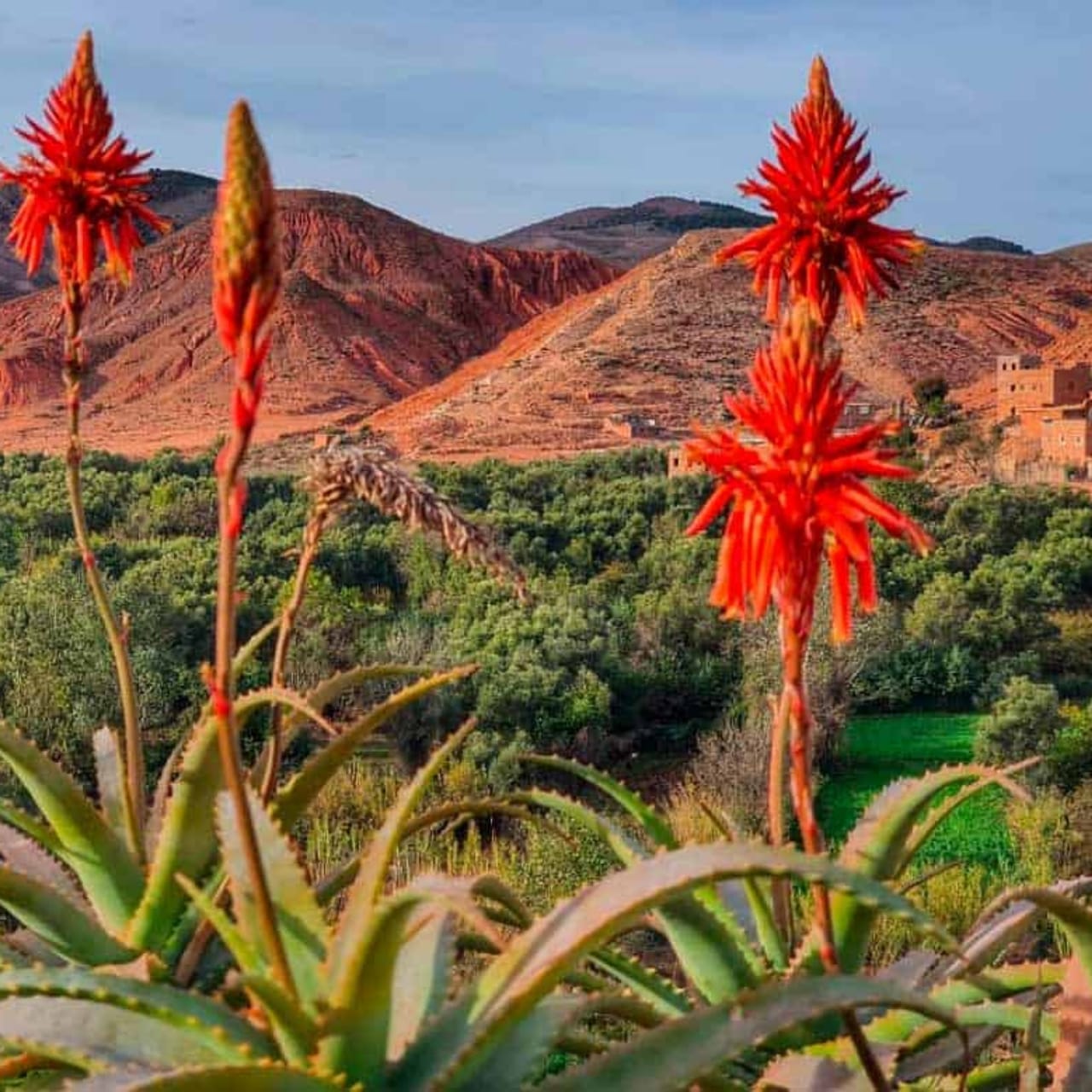
The regions worth knowing
The Toubkal massif and the Mizane valley
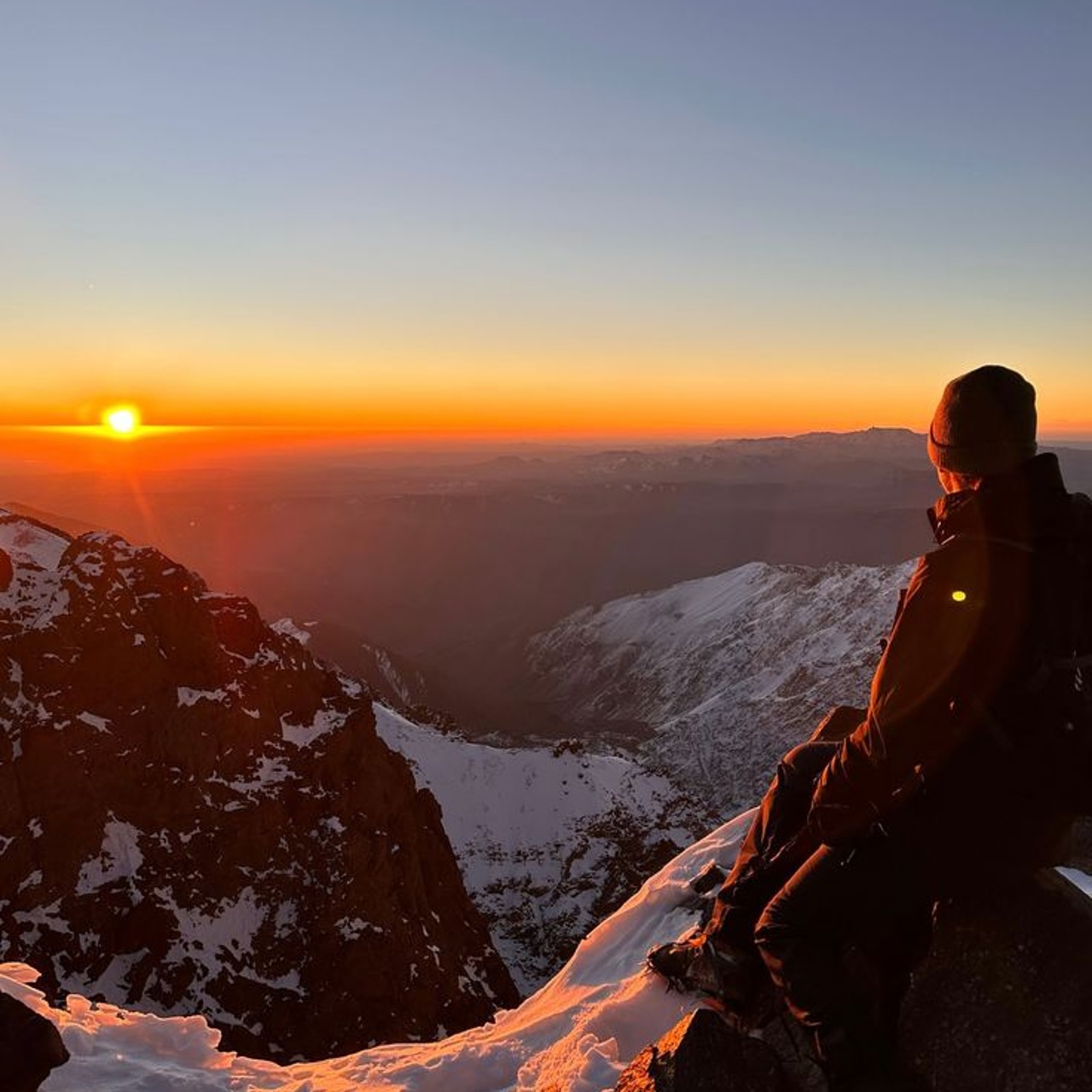
The classic. Imlil, Aroumd, the shrine at Sidi Chamharouch, the refuge at 3,207 m and the summit at 4,167 m. Busiest trail in the range, and the reason most trekkers come. Everything about it is covered in our Mount Toubkal trek guide.
The Azzaden valley
The valley immediately west of Imlil, reached over the Tizi Mzik pass. Quieter, greener, and a common alternative approach to Toubkal that adds a village night before the high ground. See the Azzaden valley guide.
The Imenane, Tachdirt and Ourika valleys
East of Imlil. Passes around 3,100–3,200 m, villages strung along the valley floors, and a natural line for a multi-day traverse that finishes at the Setti Fatma waterfalls — see the High Atlas traverse guide.
The foothills and day-walk country
The 3 Valleys and Ourika areas give you real mountain scenery, a village lunch and a waterfall walk without committing to a multi-day trek — for example the High Atlas and 3 Valleys day trip or Ourika Valley and Setti Fatma.
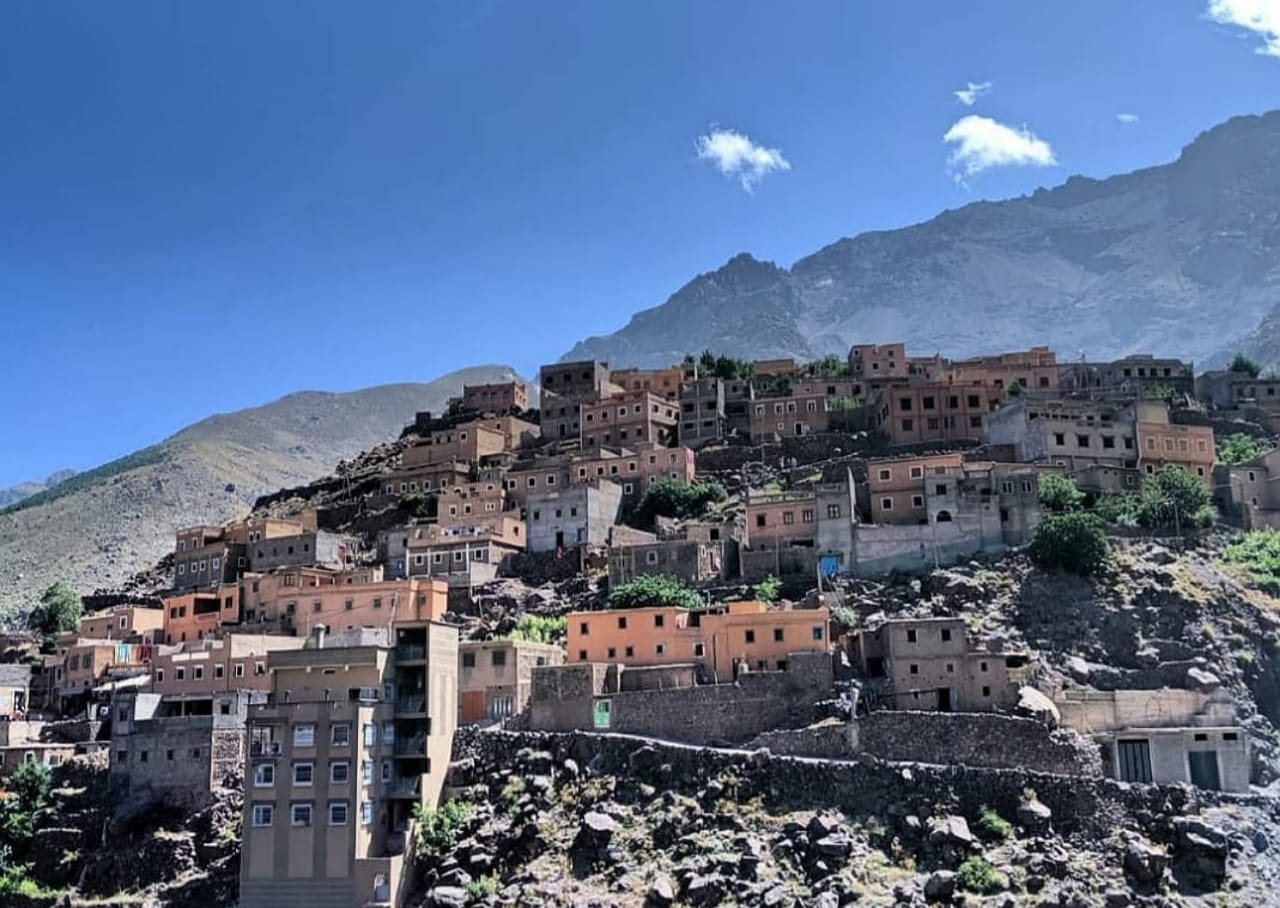
Day walk or multi-day trek?
Direct answer: choose a day trip if you have one free day and want scenery; choose a multi-day trek if you want the mountains to change around you.
| Trip length | What it realistically covers | Typical traveller |
|---|---|---|
| 1 day | Foothill valleys, a village lunch, a waterfall or viewpoint walk | Short Marrakech stay |
| 2 days | Toubkal summit attempt, or one night in a village gite | Fit trekkers with a tight schedule |
| 3–4 days | Toubkal with an acclimatisation or extra valley day; family village treks | First-time High Atlas trekkers |
| 5–6 days | Two valleys, or a second 4,000 m peak such as Ouanoukrim (4,089 m) | Trekkers who want range, not one summit |
| 8 days | A full traverse, or a winter expedition with a reserve day | Experienced trekkers with time |
Seasons
- Spring (April–May). The valleys are at their greenest; snow lingers high. Excellent for village trekking, variable on the summits.
- Summer (June–September). Hot low down, comfortable high up, the most reliable window for high summits. Start early.
- Autumn (October–November). Cooler days and cold nights at altitude, with early snowfall possible. Check the objective against actual conditions; the month is not a promise of settled weather.
- Winter (December–March). Village and valley trekking is still possible; anything on the high peaks becomes a snow objective needing appropriate technical equipment and experience.
Atlas Mountains trekking in October: choose the altitude, not just the month
October can suit Atlas trekking, but a village walk and a summit at 4,167 m are different objectives. Our seasonal model treats October as a shoulder month: cooler air, cold nights at altitude, shorter days and the possibility of the first snowfall. This is general seasonal guidance, not a forecast for your dates or a report of today's trails. A fine morning in Marrakech does not establish conditions above Imlil.
For the month-by-month summit comparison, use our existing best time to climb Mount Toubkal guide. The planning advice here is about choosing between valley walking, a summit itinerary and a longer crossing in October, rather than replacing that seasonal guide.
Temperature, daylight and changing weather
Expect the temperature to vary with altitude, exposure, time of day and the weather system passing through. Walking uphill in the sun can feel warm while a shaded stop, exposed pass or refuge evening feels much colder. Pack for both rather than using the temperature in Marrakech as your mountain clothing list. We do not publish a numerical October temperature range here: an unsourced average would be a poor basis for choosing summit equipment.
Daylight is shorter than in summer and continues to shorten through October. Allow time for stops and descent, carry a working headtorch with spare power, and discuss the day's start and turnaround plan with the guide. The published Toubkal summit itineraries start before dawn; October does not remove that requirement. Check the forecast close to departure and ask the team about the route itself. Cloud, wind, rain or fresh snow can change a planned walk; neither the calendar nor a previous season's photograph confirms that a high pass is clear.
Imlil valley walks: less high ground, still a mountain day
An Imlil day trip is a useful starting point when you want villages and mountain scenery without a refuge night or summit attempt. Imlil is about 1,740 m above sea level. Routes can still include sustained uphill walking and rough or slippery ground; a valley outing is not automatically a flat stroll. Ask about the actual route, walking duration and ascent for your group rather than assuming every day trip follows the same path.
Compare the Imlil Atlas day trip from Marrakech if you have one free day. Tell the team your dates, walking experience and any limitations before asking them to recommend the day's route. Lower altitude reduces the amount of high ground involved, but does not guarantee suitable weather or trail conditions. Carry a warm layer and rain protection even if you leave Marrakech in sunshine.
Mount Toubkal: a summit attempt, not an October guarantee
The standard approach rises from Imlil to the refuge at 3,207 m and then to Toubkal at 4,167 m. That is roughly 2,400 m of net elevation gain from village to summit, not a measured route distance or a total that includes every small ascent. The summit day also involves a substantial descent. Fitness for uphill walking alone is not the whole preparation: practise descending on uneven ground and walking again the following day.
The 2-day Toubkal summit trek compresses the approach, refuge night, summit attempt and return into two days. It does not include a separate acclimatisation day. The 3-day Toubkal and Azzaden trek adds a valley day before the refuge; the 4-day Toubkal trek includes an acclimatisation day before the summit push. Extra time changes the itinerary, but does not guarantee acclimatisation, good weather or a summit. Choose on the basis of your experience and the published daily programme, not just the number of days in the title.
Early snow is possible in October. Snow or ice can change footing, equipment and the skills needed on the upper route even when the valley remains walkable. The guide must reassess the objective and equipment close to departure. Do not treat October as guaranteed summer conditions, or assume that ordinary hiking boots and poles are enough for every summit date. Our winter climb guide explains how snow changes the objective; it is not evidence that a scheduled December–March winter product is available in October.
Longer Atlas itineraries: more terrain, not automatically easier
A longer trek can spread the journey across villages and high passes, but it also means repeated walking days, more descents and different overnight settings. The 8-day summer High Atlas traverse lists May–October as its season. October is within that published window, not a confirmed departure: ask about dates, route conditions and accommodation before committing. Its route includes Toubkal and high passes, so it is not simply a lower-altitude alternative to a summit trek.
If your priority is a valley journey, say so explicitly. Discuss which passes and nights are in the proposed programme, how much walking each day involves, and whether an alternative route is feasible if conditions change. Do not assume that an extra day is a reserve day unless the itinerary actually includes one. Our High Atlas traverse guide explains the route; the current product page is the authority for its inclusions and booking terms.
October clothing and packing
Use layers you can adjust while moving: a comfortable base layer, insulation for cold stops, and a windproof, waterproof outer layer. Take a warm hat and gloves, sun protection and sunglasses. Wear broken-in hiking footwear with a sole that grips uneven ground; test it on descents before travelling. Keep spare socks and dry clothing protected from rain in your pack. Trekking poles may help with balance and repeated descents but do not replace suitable footwear or snow equipment.
Carry a headtorch, drinking-water capacity and personal essentials for the walking day. Confirm the sleeping-bag requirement and what the accommodation provides rather than assuming every gite or refuge supplies the same bedding. For an overnight or summit route, ask the guide to check the equipment list against the forecast and reported snow conditions. Technical snow equipment, suitable boots and instruction are condition-dependent decisions, not additions to rent blindly because it is October.
Fitness, altitude awareness and realistic expectations
Prepare with regular walks, gradually adding uphill work, uneven ground, descents and consecutive walking days. Practise with the daypack and footwear you will use, and allow recovery rather than making the final week your hardest training week. A day walk, a two-day summit attempt and a traverse need different amounts of endurance. See the Toubkal preparation and physical training guide for an example programme, and the difficulty guide for the demands of the summit route.
Altitude remains a separate challenge from fitness. Do not assume that training at home prevents altitude illness, or that a longer itinerary guarantees protection. Tell the guide if you feel unwell and do not conceal symptoms to keep up with the group. Seek qualified medical advice about individual health concerns before travel. Weather, the group's progress and individual wellbeing can all change a summit plan; turning back is not a failed holiday.
Before requesting an October trek
Send your dates, number of travellers, walking experience and whether you prefer a valley journey or summit attempt. Ask the team to confirm the proposed route, overnight arrangements and any condition-dependent equipment. Use the product pages linked above to check current prices, inclusions and booking options rather than copying a separate seasonal price list.
New private trekking choices require an availability request: the approved price is not proof of a departure, capacity or refuge space, and payment is not offered before confirmation. Standard products retain their existing booking process; only a verified checkout can offer online payment. The linked guided Toubkal products include return Marrakech–Imlil transport, so do not add another transfer for the same included journey. Airport travel or an extra stay is a separate question to discuss with the team.
Ask Toubkal Views about your October dates
How hard is trekking in Morocco?
Difficulty here is mostly about ascent and altitude, not technical ground. Village-to-village routes in the valleys are long walks on rough paths. High passes at 3,000 m-plus and summit days at 4,000 m-plus add thin air and early starts. Dry summer walking and snow-covered ground demand different skills; the guide must assess the actual route and conditions.
Consecutive hilly walks are useful preparation, but no self-test guarantees suitability. Compare the actual daily ascent, duration and altitude with your experience, and discuss individual concerns before choosing a trek.
Trekking with children
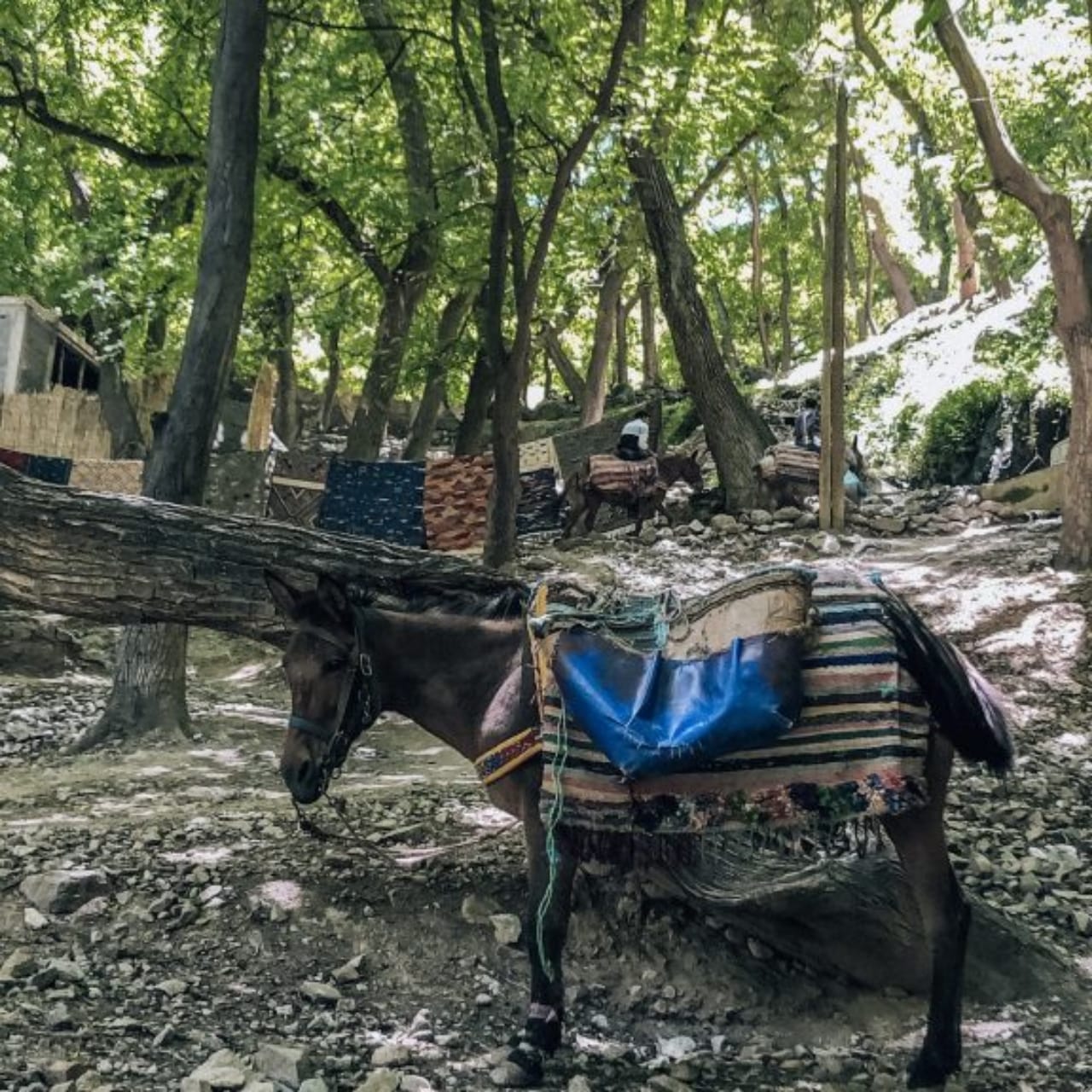
Families do trek in the High Atlas, and the practical formula is short walking days, village guesthouses and mules carrying the bags — as on our 4-day family trek in the Atlas Berber villages. High-altitude summit days are a different proposition and are not a natural fit for young children.
What to pack
- Broken-in boots with ankle support; trekking poles for the descents
- Layers: the temperature difference between a valley lunch and a 3,200 m evening is large
- Windproof shell, warm hat and gloves for anything above 3,000 m
- Sun hat, sunglasses, high-factor sun cream
- Headtorch, refillable water capacity of 2–3 litres, personal first-aid items
- A small day pack if mules carry your main bag
Planning practicalities
- Getting there. Marrakech Menara is the usual arrival airport; most trailheads in the Toubkal region are 1–2 hours by road.
- Guides. Trekking in Toubkal National Park is normally done with a licensed local mountain guide; check current requirements for your dates.
- Accommodation. Village gites and guesthouses on valley nights, a mountain refuge for high nights.
- Pace. Build in a spare day if your trip ends with a flight — mountain weather moves plans.
Choosing your trek
- Count your free days, not your total holiday days.
- Decide whether you want a summit or a valley. They are different holidays.
- Match the season to the objective — high summits in summer and autumn, valleys year-round.
- Compare the acclimatisation plan, particularly for high-altitude nights and summit attempts; an extra day is not a guarantee.
- Then pick the itinerary, not the other way round.
Browse everything we actually run in the Morocco trekking collection, or send your dates and fitness level to us on WhatsApp and we will point you at the right length of trip — including telling you when to walk valleys instead of chasing a summit.
Frequently asked questions
- When is the best time to trek in Morocco?
- April to June and September to November suit most High Atlas trekking. June to September is the most reliable window for high summits, while winter turns the high peaks into a snow objective.
- Is trekking in Morocco difficult?
- Standard High Atlas routes are long uphill walks on rough paths rather than technical climbs. The difficulty comes from ascent, consecutive walking days and altitude above about 3,000 metres.
- Can you trek in Morocco with children?
- Yes, on village-to-village routes with short walking days and mules carrying the bags. High-altitude summit days are not a natural fit for young children.
- How long should a Morocco trek be?
- One day for foothill valleys, two to four days for a Toubkal summit depending on acclimatisation, and five to eight days if you want to cross several valleys or add a second peak.
- Do you need a guide to trek in the High Atlas?
- Trekking inside Toubkal National Park is normally done with a licensed local mountain guide, and rules can change, so check current requirements for your dates. A local guide also handles route choice, refuge logistics and mules.
- Can you trek in the Atlas Mountains in October?
- October can suit valley walks and some high itineraries, but altitude and actual conditions matter. Imlil day walks, Toubkal summit attempts and longer traverses have different demands. Confirm your dates and route with the team; the month alone does not confirm availability.
- What is Mount Toubkal weather like in October?
- Our general seasonal guidance describes cooler air, cold nights at altitude, shorter daylight and possible first snow. This is not a forecast or a current trail report. Check the forecast and ask the guide about the route close to departure.
- Is there snow on Toubkal in October?
- Early snowfall is possible, not certain. Conditions can differ between Imlil and the upper mountain. The guide reassesses the summit objective and any snow equipment needed close to departure.
- What should I pack for October Atlas trekking?
- Take adjustable layers, insulation, a waterproof and windproof shell, hat, gloves, broken-in hiking footwear, sun protection and a headtorch. Confirm overnight requirements and condition-dependent snow equipment for your actual route.