The High Atlas Traverse: Walking from Imlil to Setti Fatma
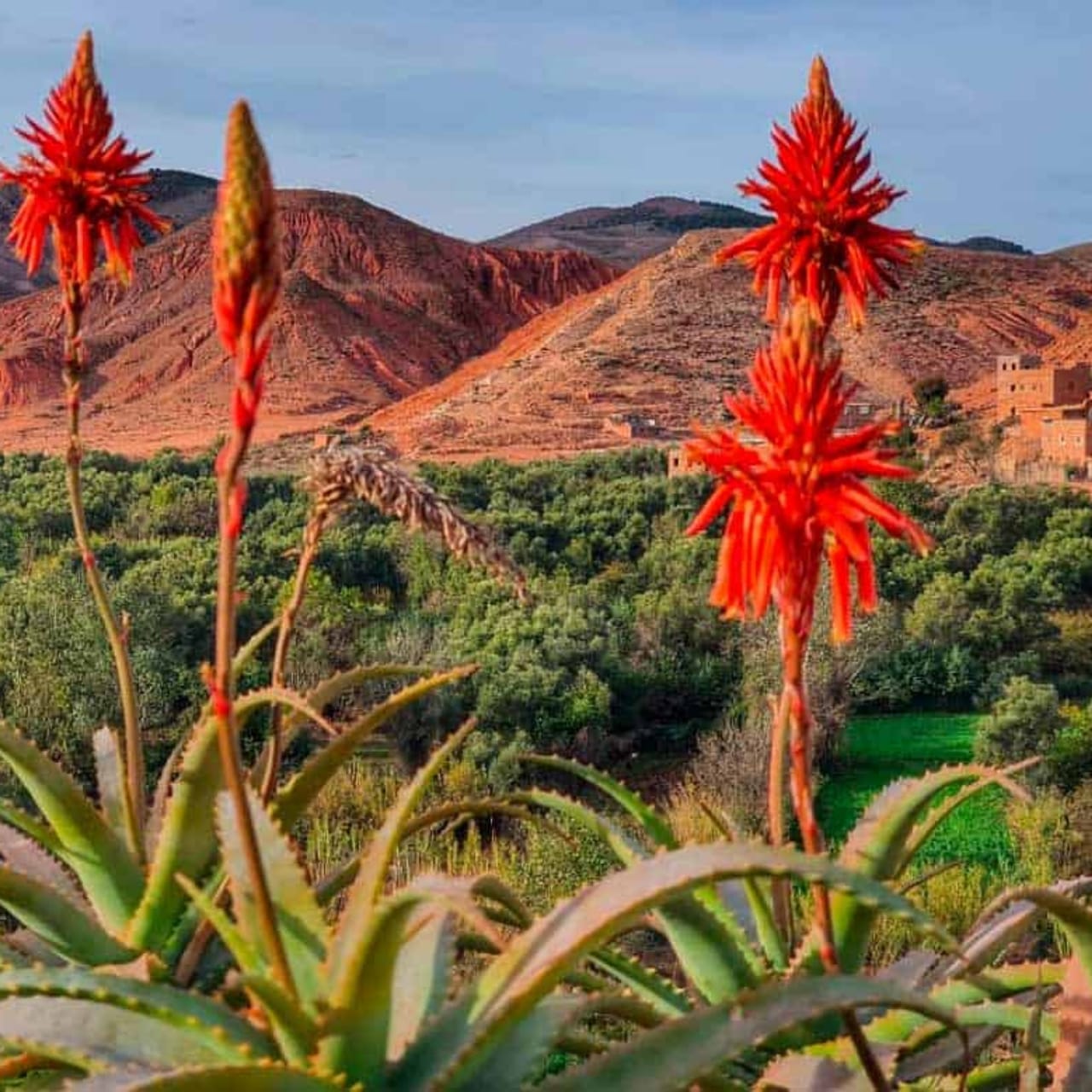
A traverse is the alternative to fixating on one summit: several days walking east across the High Atlas valleys, crossing passes above 3,000 metres and finishing at the Setti Fatma waterfalls in the Ourika valley.
What a traverse actually is
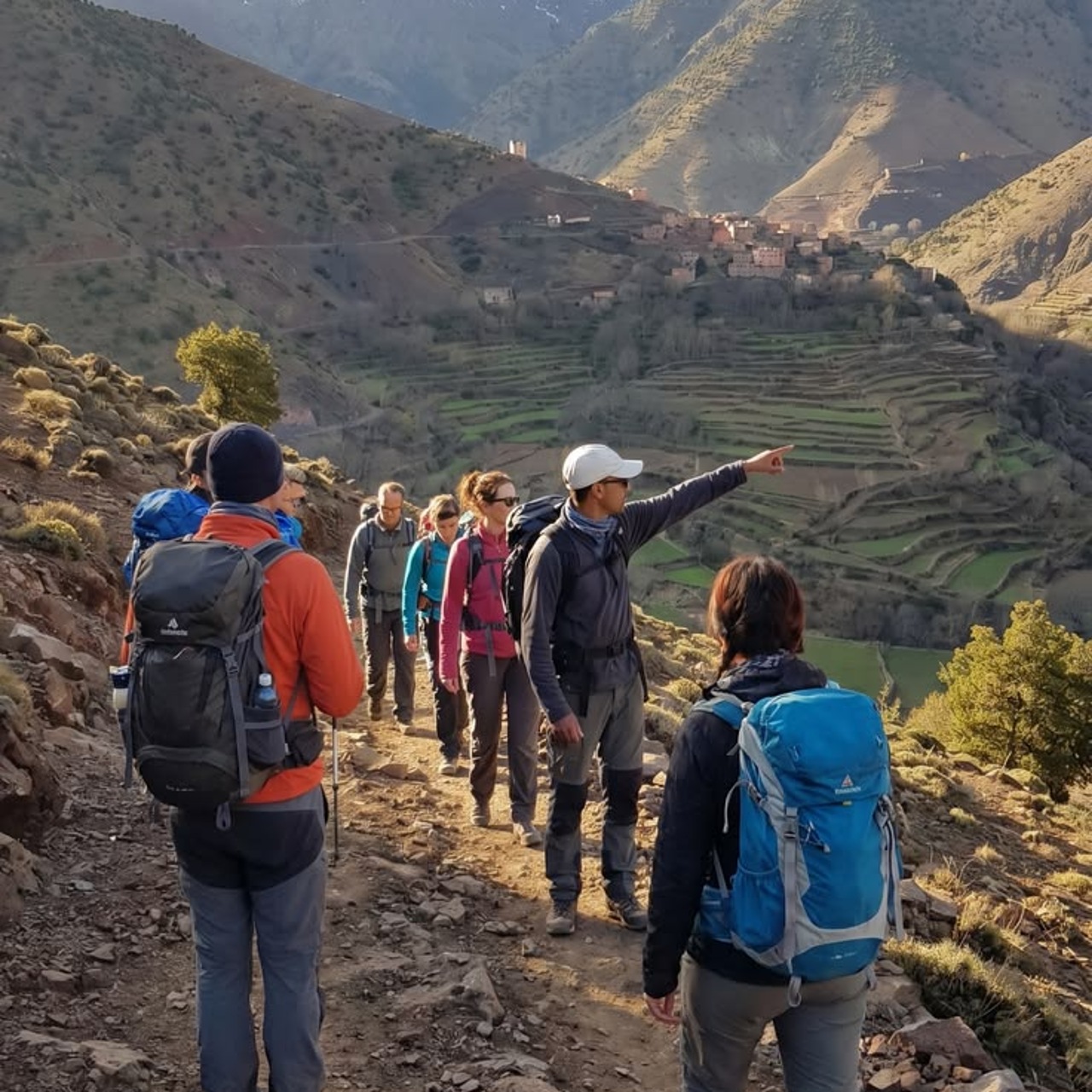
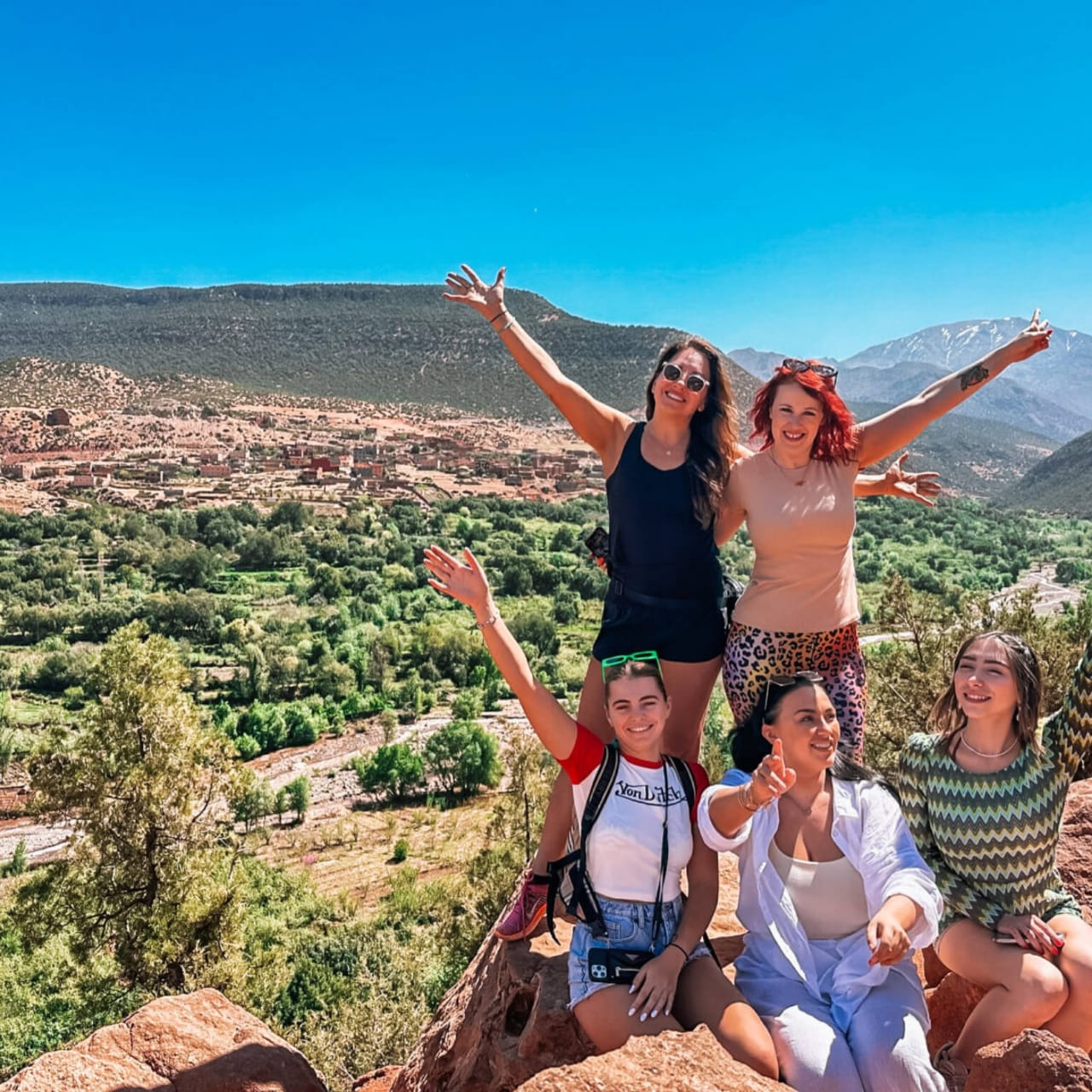
Instead of walking up and back down the same valley, a traverse crosses the range. The classic High Atlas line runs east from Imlil through the Imenane and Tachdirt valleys, over passes in the region of 3,100–3,200 m, and descends into the Ourika valley at Setti Fatma. Each day ends in a different village, and each pass opens onto a valley you have not seen.
The shape of the route
- Imlil. The road-head at around 1,740 m and the usual start.
- Over the ridge into the Imenane valley. Villages, terraces, irrigation channels.
- Tachdirt. The high-valley base for the passes; the Tizi n''Tachdirt sits around 3,172 m.
- East to the Ourika headwaters. Bare high ground, then a long descent as the valley greens again.
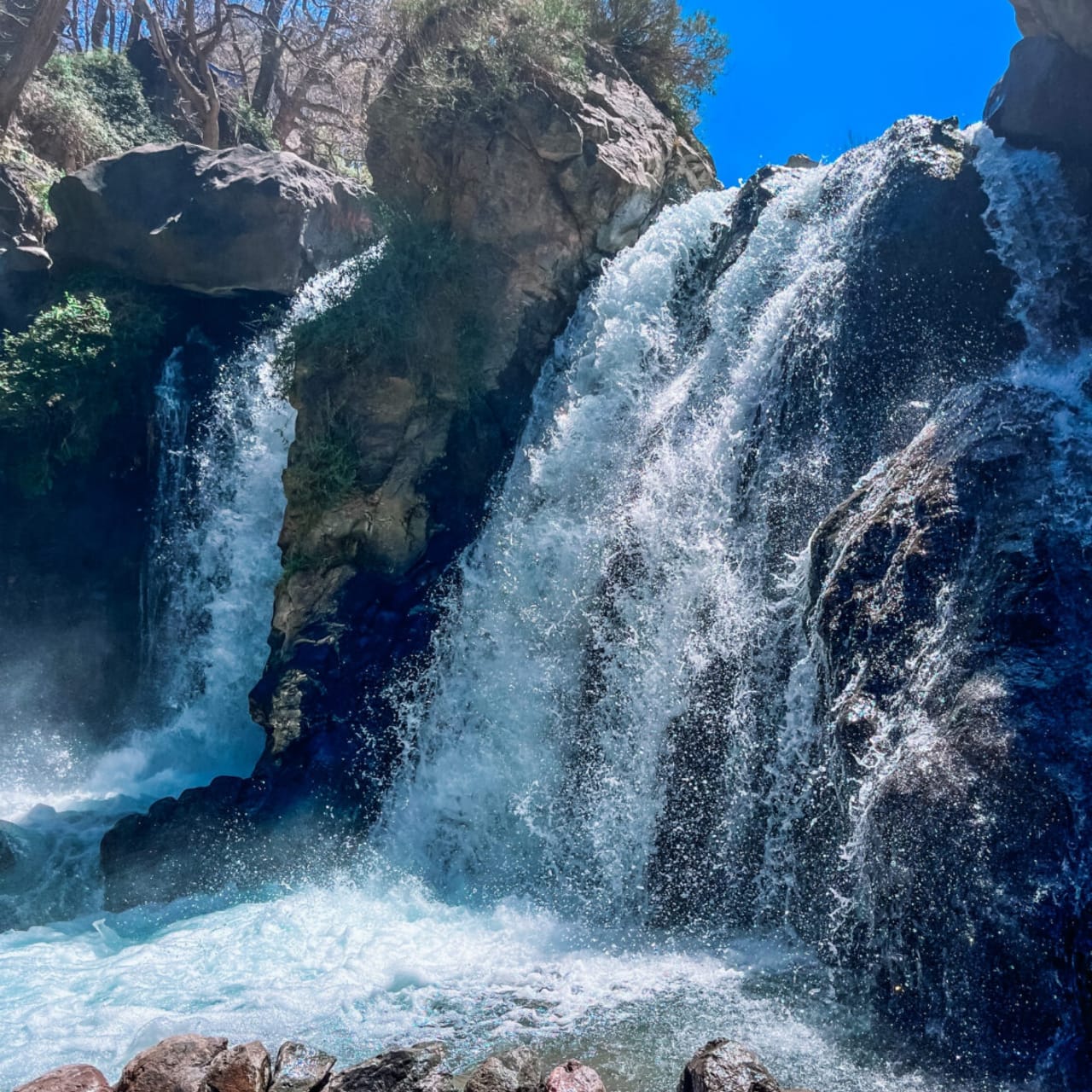
- Setti Fatma. The waterfall village at the top of the Ourika valley, and a road back to Marrakech.
Route order and exact overnight villages vary with the itinerary and the weather. Our 8-Day Summer Atlas Traverse is the longest version we run; the Atlas Peaks and Valleys Trek is a shorter traverse-style route that also takes in a high peak.
How hard is it?
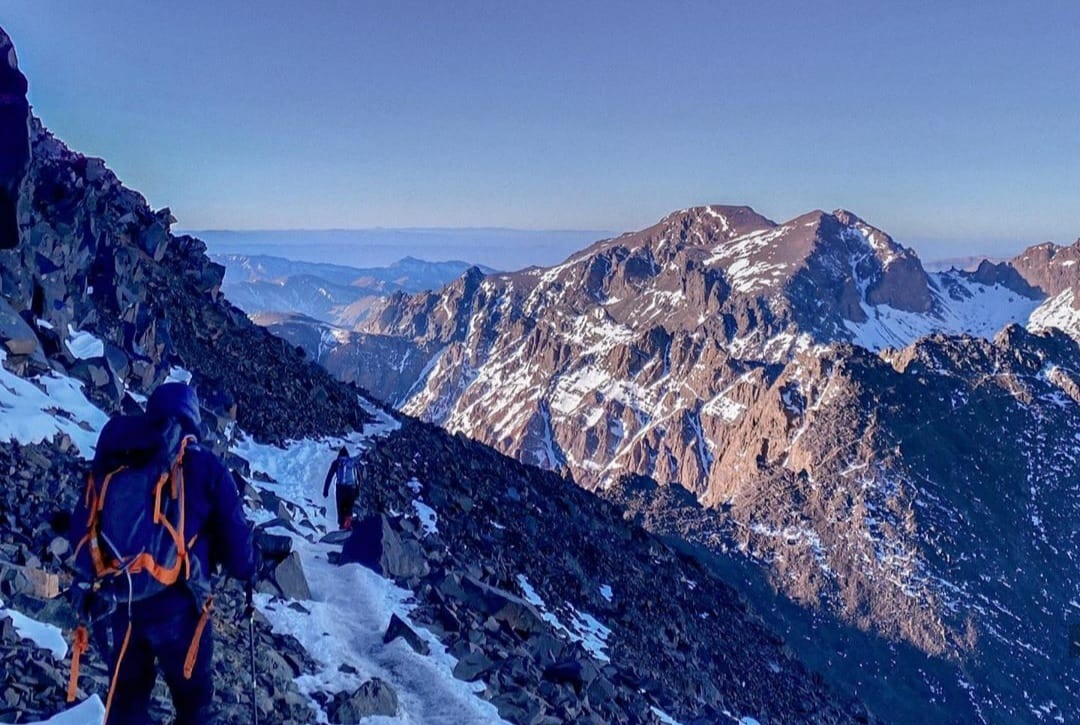
Moderate to demanding, and the difficulty is cumulative. No single day is technical. But you are walking 5–7 hours on rough ground for several consecutive days, gaining and losing several hundred metres each time, and sleeping high. Passes above 3,000 m are cold and windy even in summer.
If you have not walked multi-day before, a traverse is a bigger ask than a Toubkal summit trek — a summit is one hard morning, a traverse is a week of solid days.
Traverse or summit?
| You want | Choose |
|---|---|
| The single highest point in North Africa | A Toubkal summit trek |
| Villages, passes and changing valleys | A traverse |
| Both | A longer itinerary that adds Toubkal to the traverse |
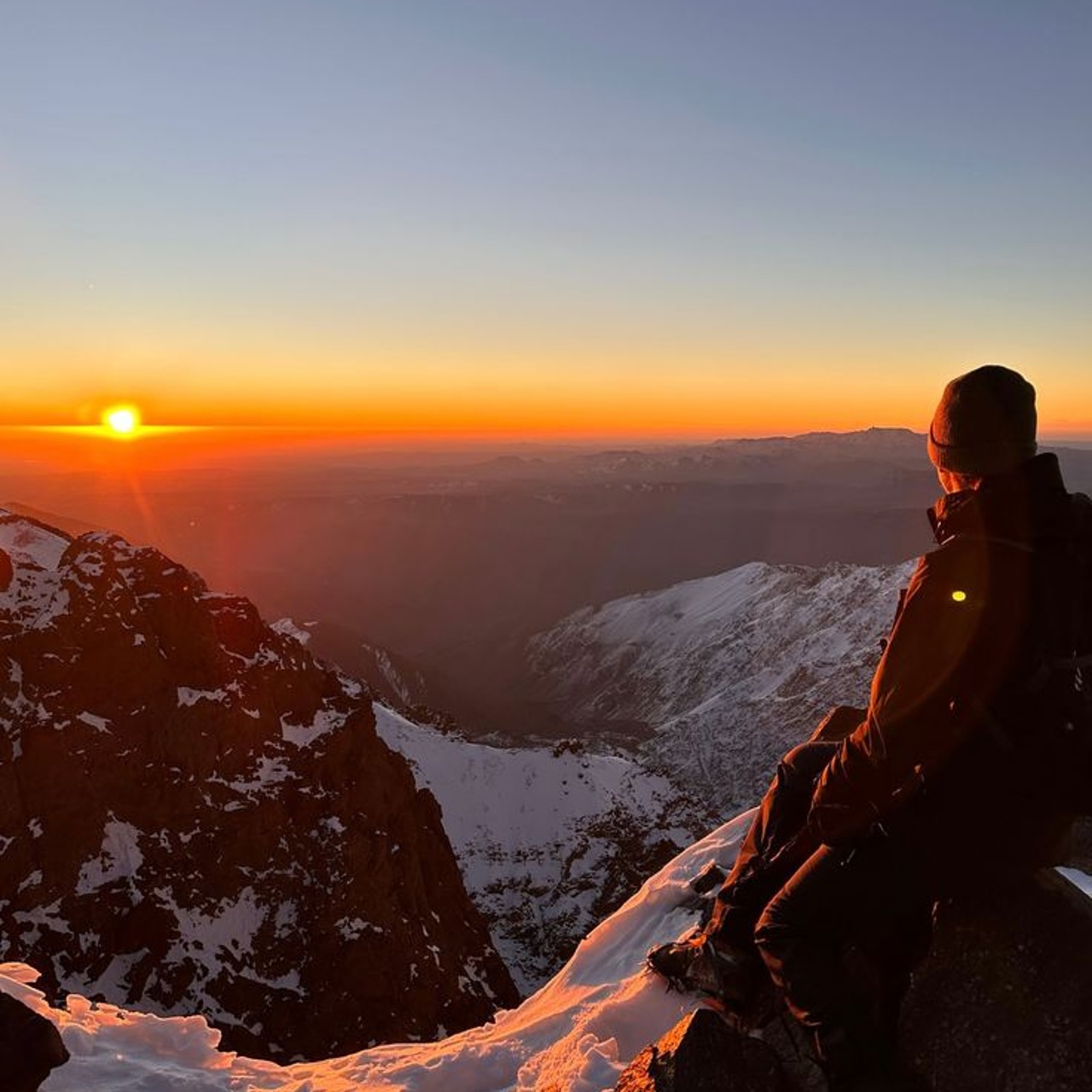
Many trekkers combine them: summit Toubkal early in the trip while legs are fresh, then walk east. That is exactly how longer itineraries such as the 5-Day Atlas Valleys and Toubkal Trek are shaped.
Practicalities
- Season. Late spring to autumn. Passes hold snow in winter and early spring.
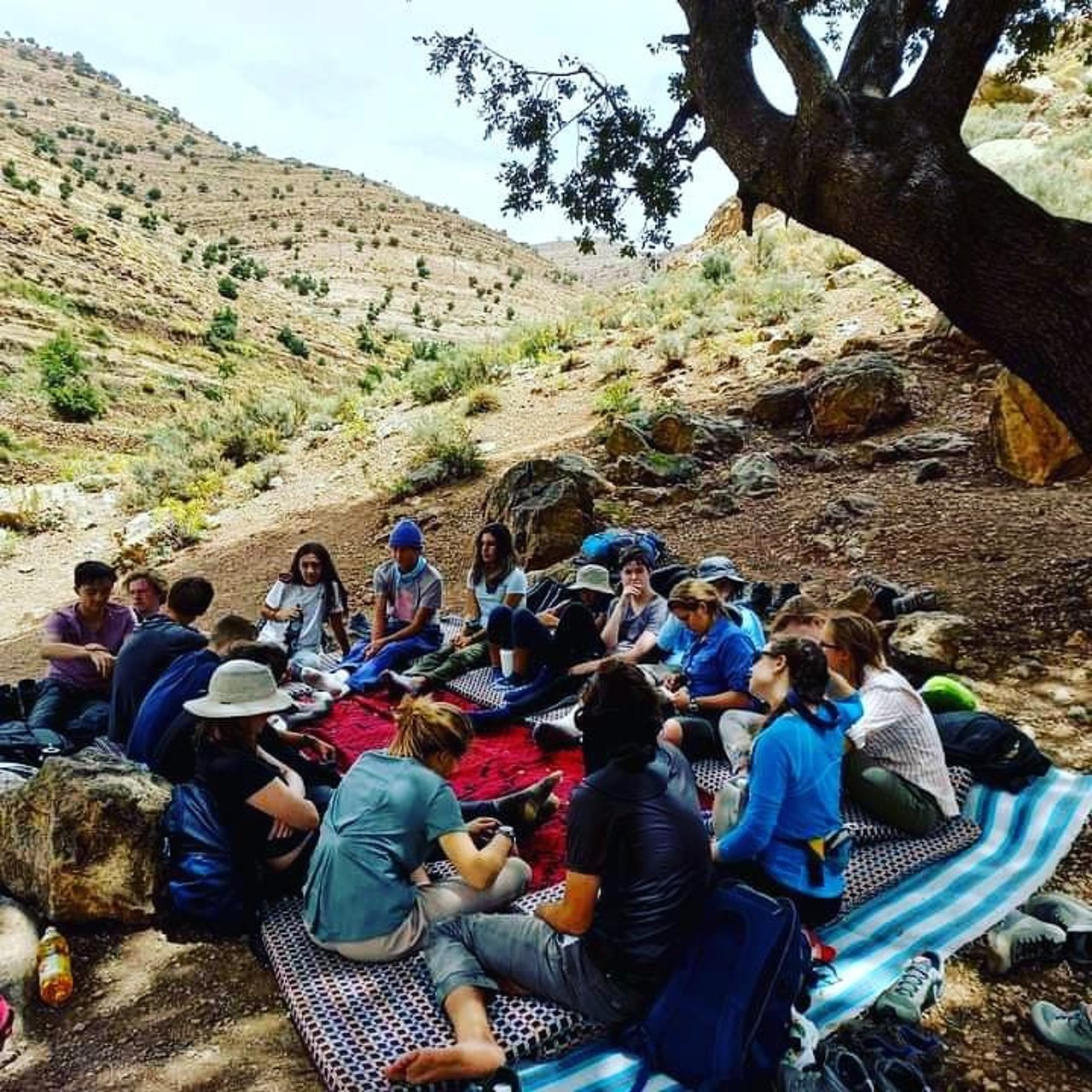
- Bags. Mules normally carry main luggage between villages, so you walk with a day pack — but mules follow their own routes, so keep what you need with you.
- Accommodation. Village gites and guesthouses; simple, warm and sociable.
- Finish point. Setti Fatma is a working tourist village with the well-known waterfall walk. If you only want that end of the range, the Ourika Valley and Setti Fatma day trip covers it in a day.
- Fitness. Train for repeated days, not for one big day.
Planning your traverse
Start with the number of walking days you can genuinely commit to, then decide whether Toubkal belongs in the plan. For the wider picture of regions and seasons, read the Morocco trekking planning guide — or send your dates to us on WhatsApp and we will sketch a realistic line across the range.
Frequently asked questions
- How long does the Imlil to Setti Fatma traverse take?
- Most versions take between five and eight walking days, depending on how many valleys are included and whether a summit is added.
- How hard is a High Atlas traverse?
- Moderate to demanding. No day is technical, but you walk five to seven hours on rough ground for several consecutive days and cross passes above 3,000 metres.
- Can you combine a traverse with Mount Toubkal?
- Yes. Longer itineraries commonly summit Toubkal early in the trip and then walk east across the valleys.
- When can you do a High Atlas traverse?
- Late spring to autumn is the usual window, because the high passes hold snow in winter and early spring.