Beyond Toubkal: The Other 4,000 m Peaks of the High Atlas
Most visitors climb Toubkal and go home. The peaks around it are quieter, nearly as high and often better walking.
Is Toubkal the only high peak in the Atlas?
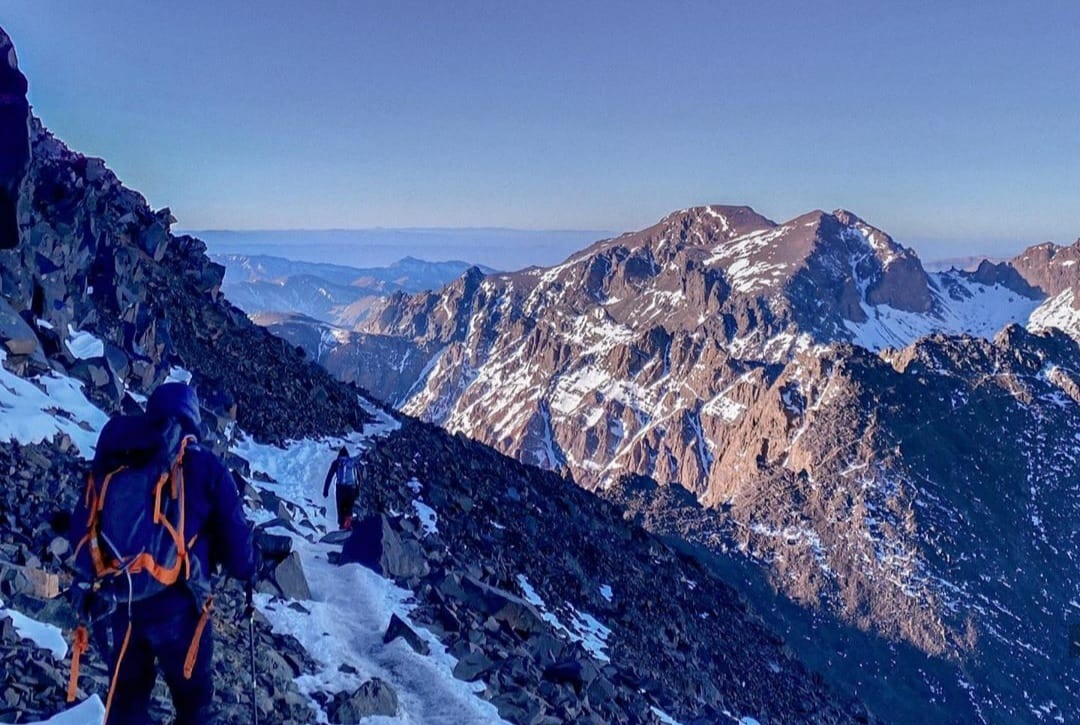
No. Toubkal at 4,167 m is the highest, but it sits in a cirque of neighbours — Ouanoukrim among them — that rise to similar heights and see a fraction of the traffic. If your goal is time in the mountains rather than a single named summit, this is where the good days are.
What is Ouanoukrim like?
Ouanoukrim is the massif immediately west of Toubkal, usually approached from the same refuge area. It is walked and scrambled rather than climbed technically in summer conditions, and it offers the same big High Atlas views without the queue that can form on Toubkal's summit ridge on a busy August morning.
Why climb a second peak at all?
| Reason | What it gives you |
|---|---|
| Acclimatisation | A second high day is far easier than the first |
| Solitude | Neighbouring summits are much quieter than Toubkal |
| Better value from the walk-in | You have already paid for the altitude — use it |
| Different views | Looking at Toubkal is often better than standing on it |
How much extra time does it take?
Realistically, one to three extra days depending on how many summits and passes you link. Multi-summit itineraries need a body that copes with consecutive high days, so read the difficulty guide the training guide and the Mount Toubkal trek guide before committing to one.
Which trips include more than Toubkal?
Our Atlas peaks and valleys trek is built for exactly this: summit days linked with valley crossings rather than an out-and-back dash. The 5-day Atlas valleys and Toubkal trek does the same over a longer arc, and the 8-day summer traverse turns it into a full mountain week.
Do you need extra skills?
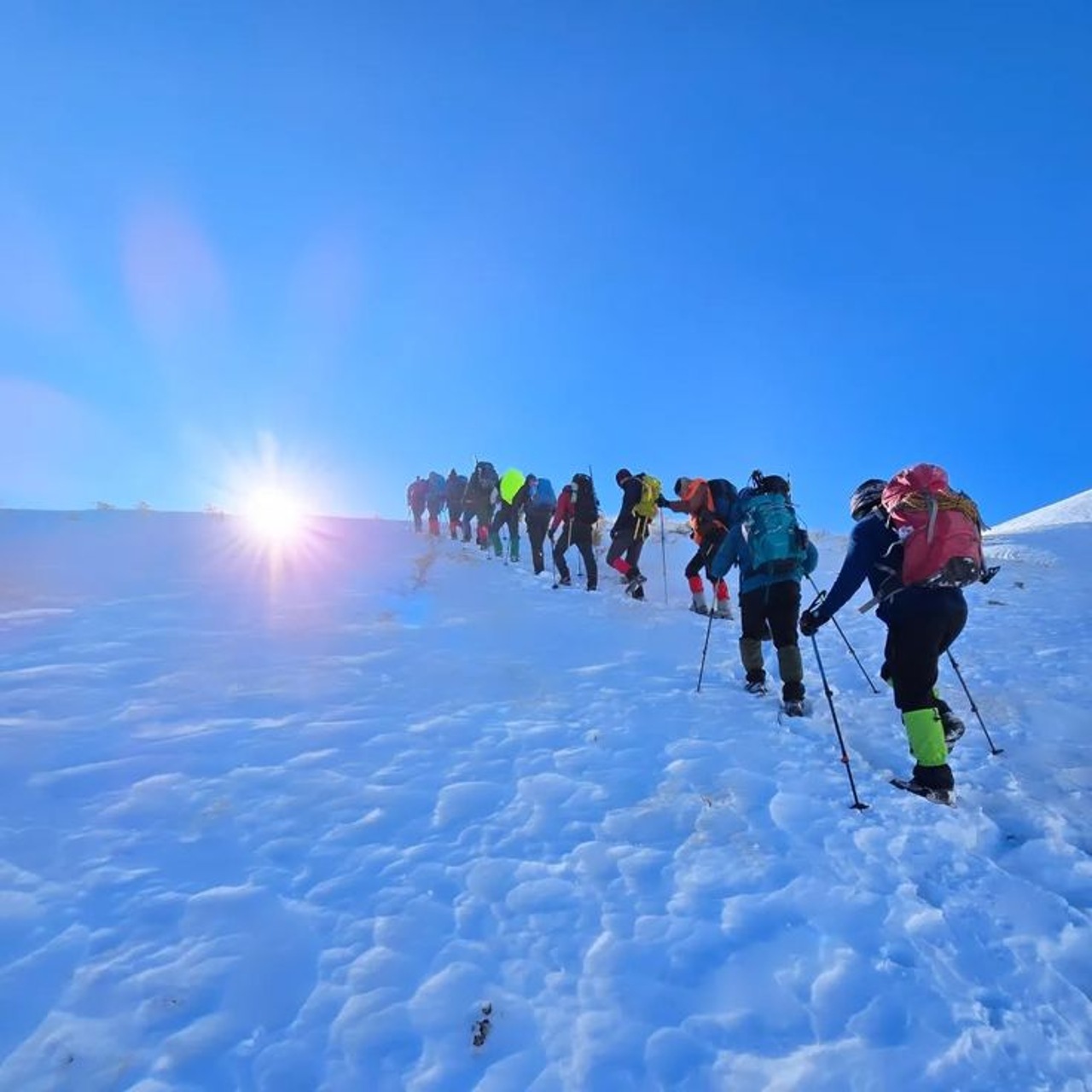
In summer, no more than for Toubkal itself: sure-footedness on rock and scree, and a head for exposure on the odd ridge. In winter every one of these peaks becomes a snow route with the same requirements set out in the winter guide.
Is the scenery different?
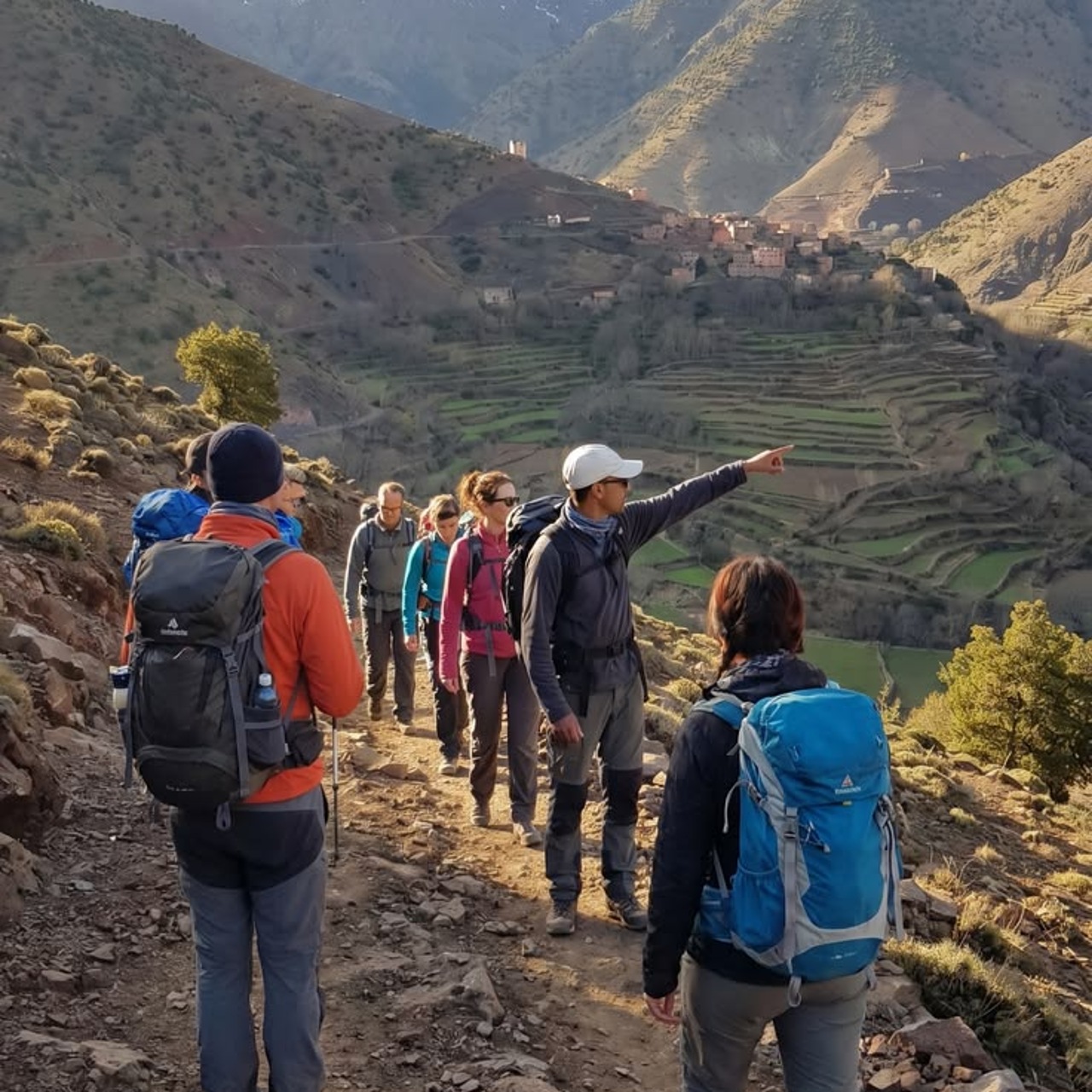
Yes, noticeably. Toubkal's normal route is a rocky corridor; the neighbouring cirques and passes give you long views across ridge after ridge, and the valley approaches — Azzaden in particular, covered in our Azzaden valley guide — are greener and more inhabited than the summit ground.
Tell us on WhatsApp how many days you have in the mountains and we will suggest a peaks-and-valleys shape rather than defaulting to a single summit.
Most people climb Toubkal first — see the Mount Toubkal treks.
Frequently asked questions
- Is Toubkal the only 4,000 m peak in Morocco?
- No. Toubkal at 4,167 m is the highest, but neighbouring High Atlas summits including Ouanoukrim reach similar heights and are far quieter.
- Where is Ouanoukrim?
- Immediately west of Toubkal, usually approached from the same refuge area at around 3,207 m.
- How many extra days do you need to add a second peak?
- Typically one to three, depending on how many summits and passes are linked into the itinerary.