Staying Safe on Mount Toubkal
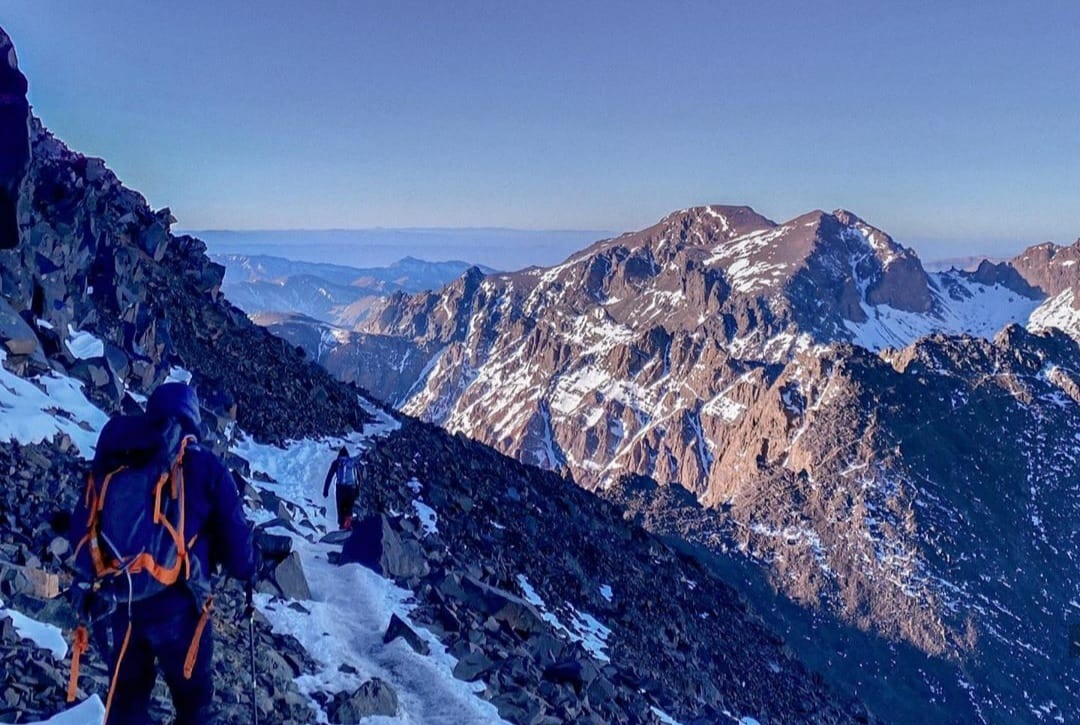
Toubkal is not a dangerous mountain by nature. It becomes one through fixed schedules, thin margins and bad decisions late in the day.
Is Mount Toubkal safe?
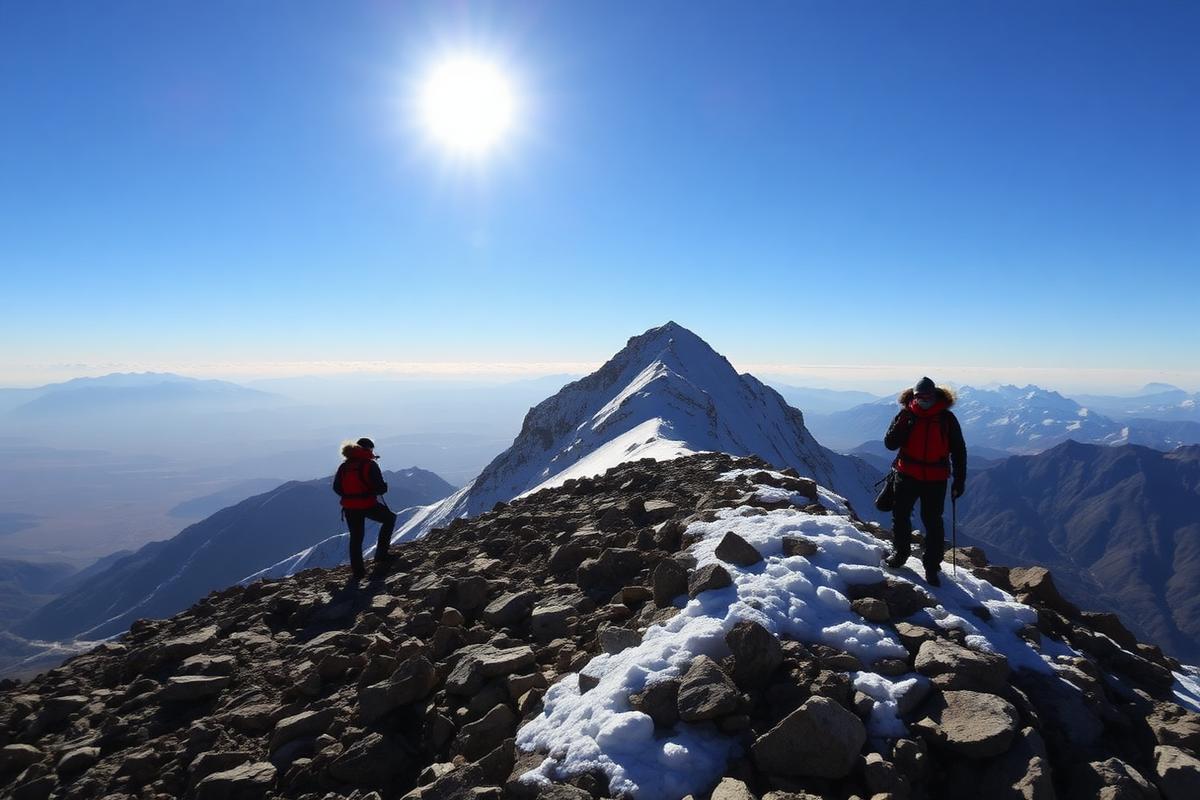
Thousands of trekkers summit safely every year. The mountain has no technical crux in summer and a well-trodden route. The risks are environmental and behavioural rather than technical: weather that changes, altitude that is ignored, cold that is underestimated, and descents attempted by exhausted people late in the day.
The five real risks
| Risk | How it shows up | How it is managed |
|---|---|---|
| Weather | Wind, cloud, storms, sudden cold on the summit ridge | Early starts, forecast checks, willingness to turn back |
| Altitude | Worsening headache, nausea, unsteadiness above 3,000 m | Slower pacing, hydration, descent when symptoms worsen |
| Cold | Numb hands, poor decisions, exposure at dawn | Proper layers, gloves and spares, moving efficiently |
| Descent injuries | Twisted ankles and knee damage on scree | Poles, controlled pace, eating before descending |
| Winter conditions | Ice, avalanche risk after snowfall | Crampons, ice axe, skills, conditions judgement |
What is the most common cause of trouble?
Not a dramatic accident — fatigue plus a fixed schedule. Someone arrives at the refuge already exhausted, sleeps badly, starts summit morning behind, and then has to descend a long way tired. Almost every avoidable incident on this mountain traces back to a margin that was too thin, which is the strongest argument for a longer itinerary such as the 3-day Azzaden route over the fastest option.
What about rescue?
Mountain rescue in Morocco exists but is not instant. Helicopter evacuation is weather-dependent and cannot be assumed; realistic evacuation from the upper mountain often means being walked or carried down. Two practical conclusions follow: carry travel insurance that explicitly covers trekking at altitude, and treat prevention as the primary safety system, not rescue.
Is phone signal reliable?
No. Coverage is patchy in the upper valley and unreliable at the refuge. Do not build a plan that depends on calling for help from high on the mountain, and tell someone your itinerary before you go.
Practical safety habits
- Start summit morning early enough that the descent is finished in daylight.
- Drink and eat on a schedule, not on appetite.
- Keep warm layers accessible rather than buried in the pack.
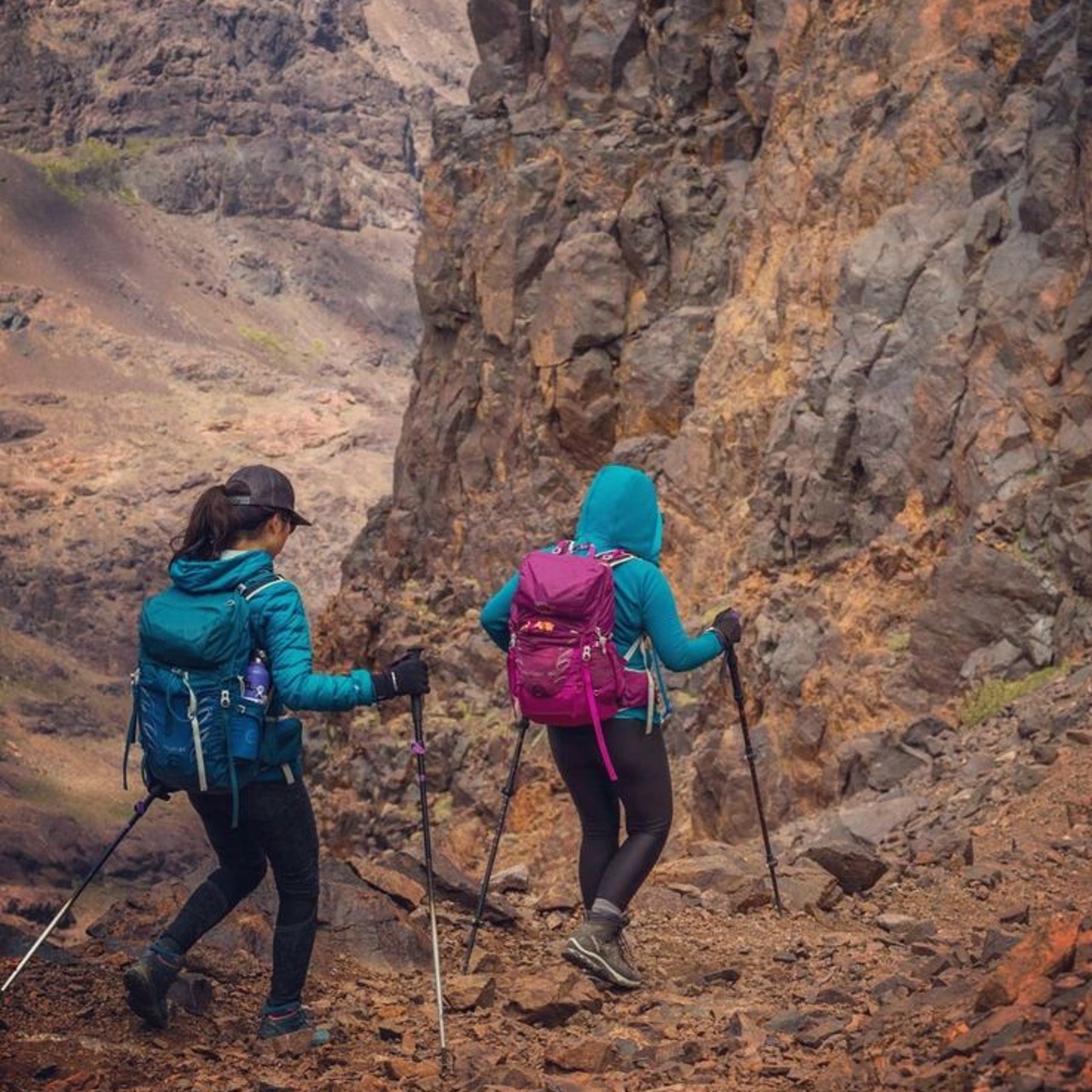
- Use poles on the descent; they cut knee and ankle injuries dramatically.
- Agree a turnaround time and honour it, whatever the summit looks like.
- Say something early if you feel unwell. Guides can act on early information and cannot act on hidden symptoms.
Is winter more dangerous?
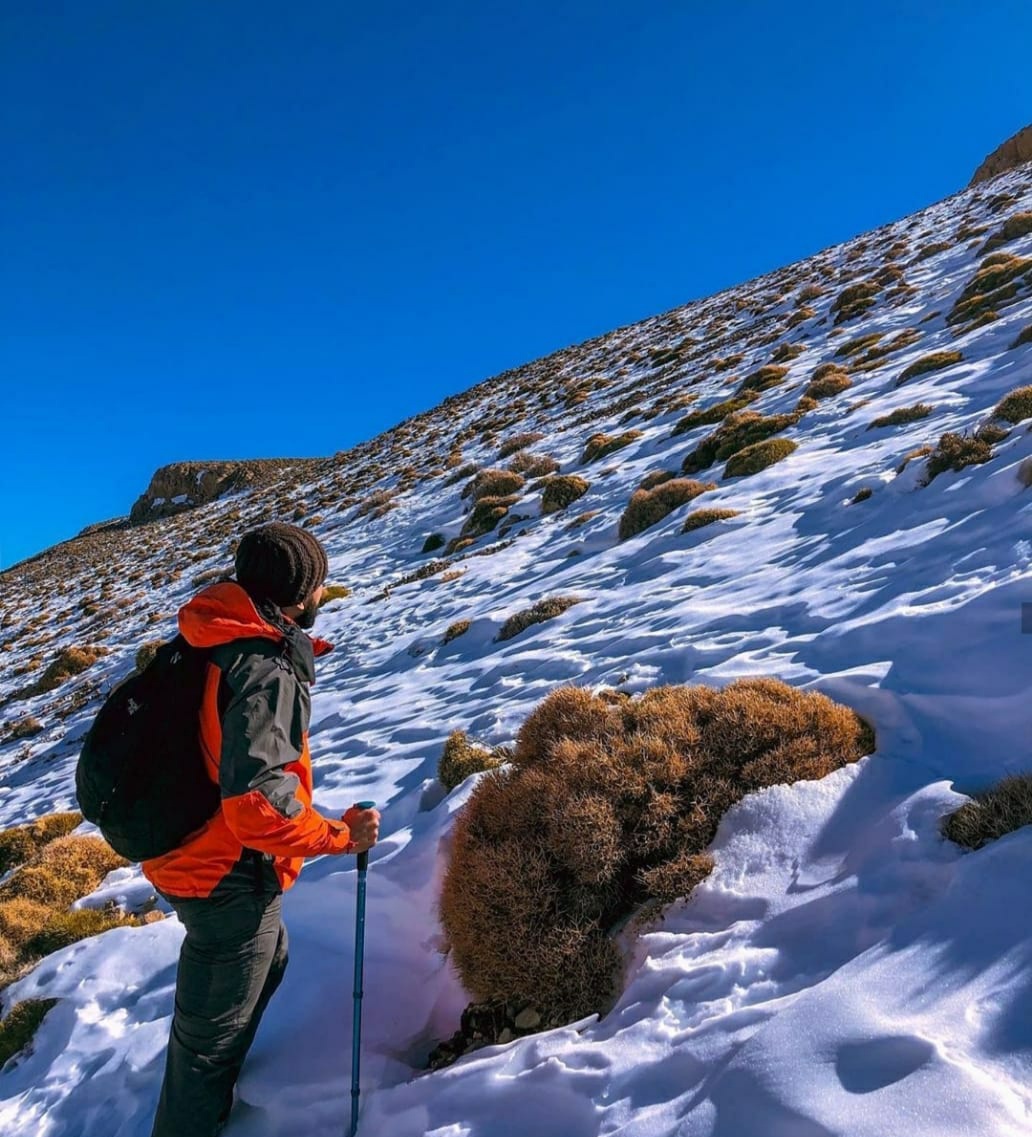
Yes, materially — ice, avalanche after loading, and cold injury are all live concerns, and they need skills and equipment rather than optimism. Read the winter climb guide before booking cold-season dates.
Who should not attempt Toubkal?
Anyone with a relevant medical condition who has not spoken to their doctor about altitude, anyone unwilling to abandon a summit for weather, and anyone whose only available day is fixed and unmovable. This article is general information, not medical or professional mountaineering advice — for your own health, ask your doctor, and on the mountain, follow your guide. For the broader picture, see the difficulty guide, the altitude guide and the Mount Toubkal trek guide.
Message us on WhatsApp with your dates and experience and we will give you an honest read of whether the plan you have in mind has enough margin in it.
Frequently asked questions
- Is Mount Toubkal dangerous?
- It has no technical crux in summer and thousands summit safely each year. The real risks are weather, altitude, cold, descent injuries and winter conditions.
- Is there mountain rescue on Toubkal?
- Rescue exists but is not instant, and helicopter evacuation is weather-dependent. Travel insurance covering trekking at altitude is important.
- Is there phone signal on Mount Toubkal?
- Coverage is patchy in the upper valley and unreliable at the refuge, so plans should not depend on calling for help from high on the mountain.
- What causes most problems on Toubkal?
- Fatigue combined with a fixed schedule - arriving exhausted at the refuge and then facing a long descent with no margin.