How Mule Support Works on a High Atlas Trek
The mules are the reason a High Atlas trek feels manageable. Here is what they do, who looks after them, and what you still carry.
What do the mules carry?
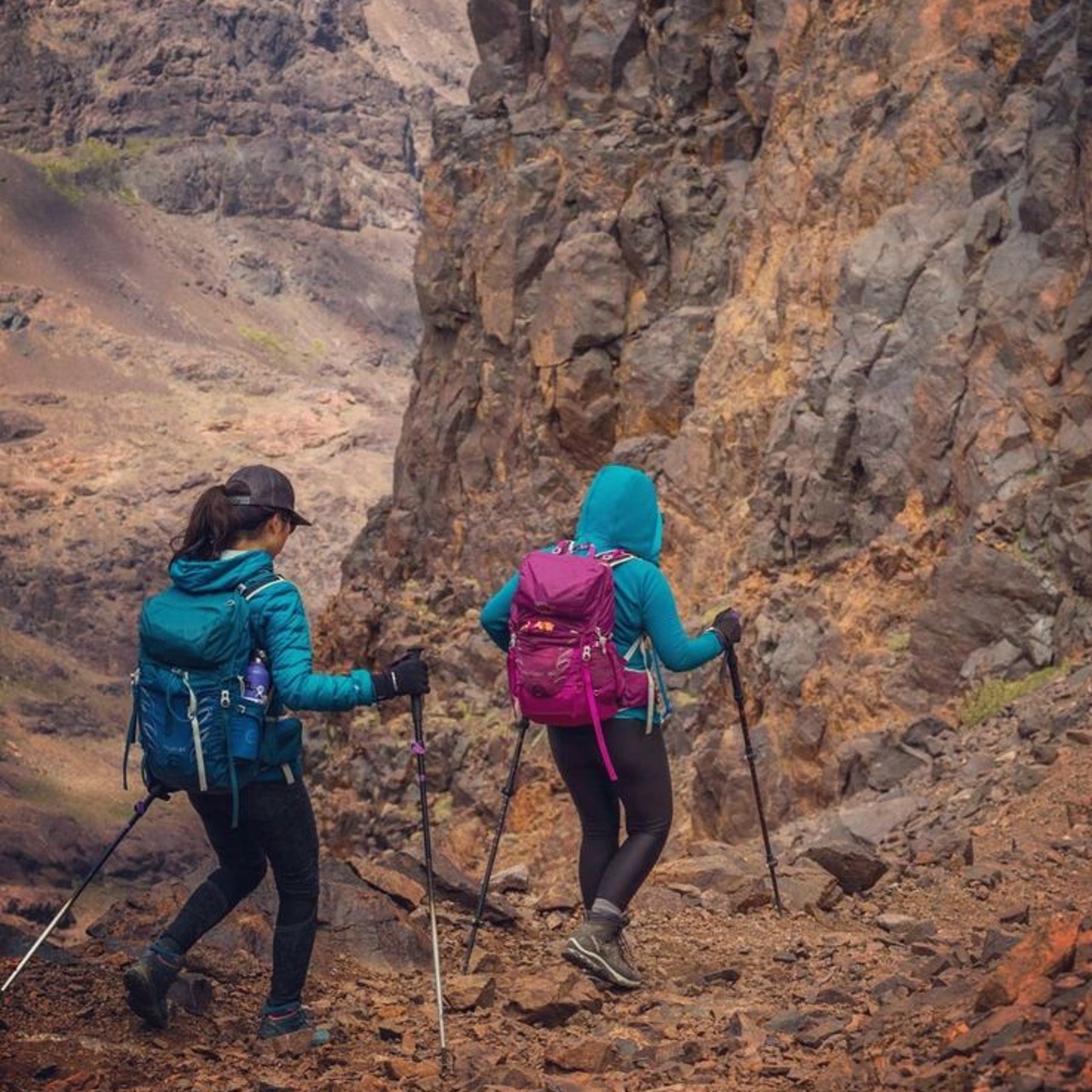
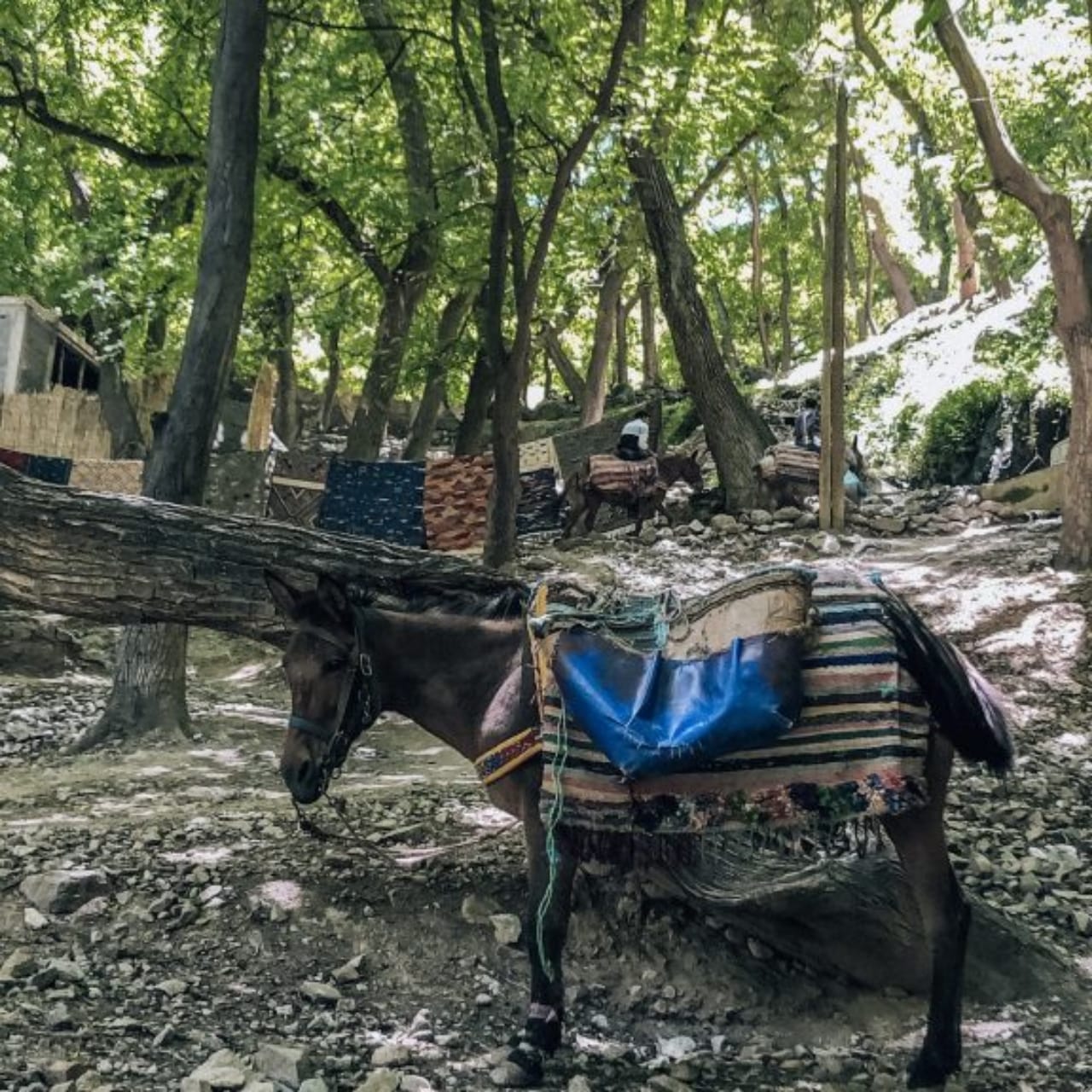
On a supported High Atlas trek, mules carry the heavy shared load: duffel bags, food, cooking equipment, and in camping itineraries the tents. You walk with a day pack. That single arrangement is what turns a serious multi-day route into something a reasonably fit person can enjoy.
What do I carry myself?
| In your day pack | Sent with the mules |
|---|---|
| Water for the day | Main duffel bag and spare clothes |
| Warm and windproof layers | Sleeping bag (unless you want it) |
| Sun protection, hat, sunglasses | Food and cooking kit |
| Snacks, camera, personal medication | Tents and group equipment |
| Headtorch on refuge days | Anything you will not need until evening |
You will not see your duffel between breakfast and arrival, so anything you might want during the day goes on your back.
Who are the muleteers?
Local men from the valleys you are walking through, usually working with their own animals. Muleteering is a livelihood here, not a tourist prop, and the muleteers often know the paths, weather signs and shortcuts better than anyone in the group. Together with guides and guesthouses, this is how trekking income spreads through mountain communities — the point made in our village etiquette guide.
Are the animals well treated?
It is a fair question and worth asking of any operator. Reasonable standards look like: sensible loads, well-fitting tack, water and rest stops, and the muleteer — not the tourist — deciding what the animal carries. If you see something that concerns you on any trek, raise it with your guide the same day.
Can I ride the mule?
Mules on a trek are pack animals rather than transport. On some itineraries a riding mule can be arranged in advance, and on family trips it is a common request for tired children — ask before departure rather than on the trail. If riding is the point of your day, the dedicated horseback itineraries such as the Atlas Mountains horseback ride are the right product instead.
Do mules go all the way up Toubkal?
No. They work the valleys and the approach to the refuges — where our 2-day summit trek and 3-day Azzaden route use them — but summit morning is carried on your own back, with only what you need for a few hours. That is covered in the summit day guide, and the Morocco trekking planning guide explains how supported treks are put together.
Does mule support change how I pack?
Yes, in a good way: bring a soft duffel rather than a hard suitcase, keep it within the weight your operator states, and pack a genuinely separate day bag. Leave the rest of your luggage in Marrakech.
Ask us on WhatsApp what mule support is included on the itinerary you are considering, and what you would need to carry yourself.
Frequently asked questions
- What do mules carry on a Moroccan trek?
- The heavy shared load: duffel bags, food, cooking equipment and tents on camping itineraries. Trekkers carry only a day pack.
- Do mules go to the Toubkal summit?
- No. They work the valleys and the approach to the refuges; summit morning is carried on your own back.
- Can you ride the mules?
- They are pack animals, but a riding mule can sometimes be arranged in advance, which families occasionally request for tired children.