Walking Through Amazigh Villages: Etiquette That Matters
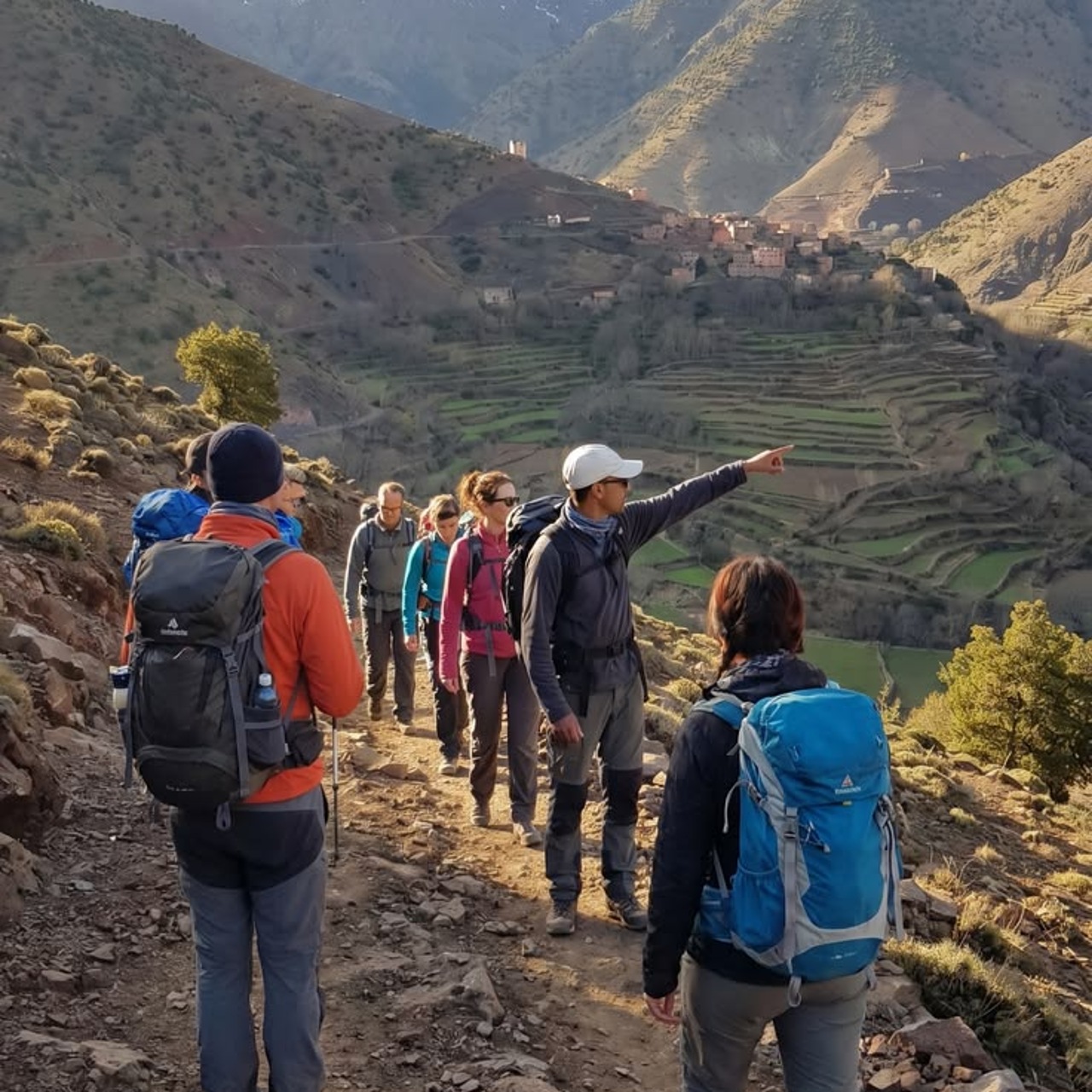
The paths you walk are other people's streets, fields and water channels. A little awareness changes how the whole trek feels.
Whose mountains are these?
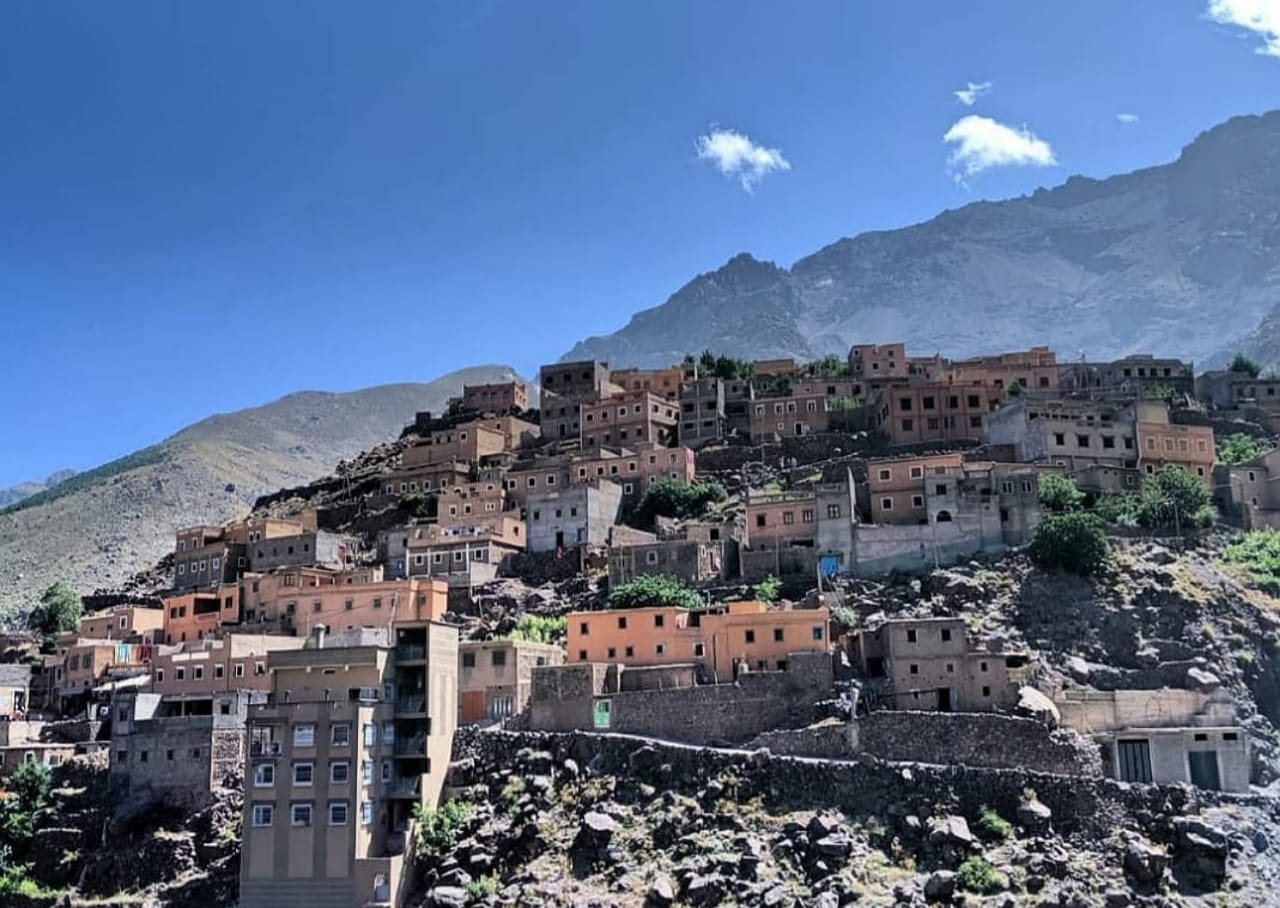
The High Atlas is not wilderness. It is farmed, irrigated and inhabited, mostly by Amazigh (Berber) communities whose villages sit exactly where the trekking paths run. Tashelhit is widely spoken alongside Arabic, and French is common with guides. Understanding that you are a guest in a working landscape is the single most useful thing you can bring.
Greetings come first
Say hello before you ask, buy or photograph. A greeting — salam works everywhere — reframes an interaction from transaction to encounter, and it is genuinely expected. Guides greet everyone they pass on the trail, and it is worth copying them.
Photography
| Do | Avoid |
|---|---|
| Ask before photographing people, especially women and children | Pointing a lens into courtyards or doorways |
| Accept "no" without negotiating | Offering money to get a portrait, which distorts the relationship |
| Photograph landscapes and your own group freely | Drone flying over homes without permission |
Dress
Modest clothing — shoulders and knees covered — is the norm for both men and women in mountain villages, and it costs a trekker nothing. It is also practical: sun protection at altitude matters more than you expect.
Hospitality and mint tea
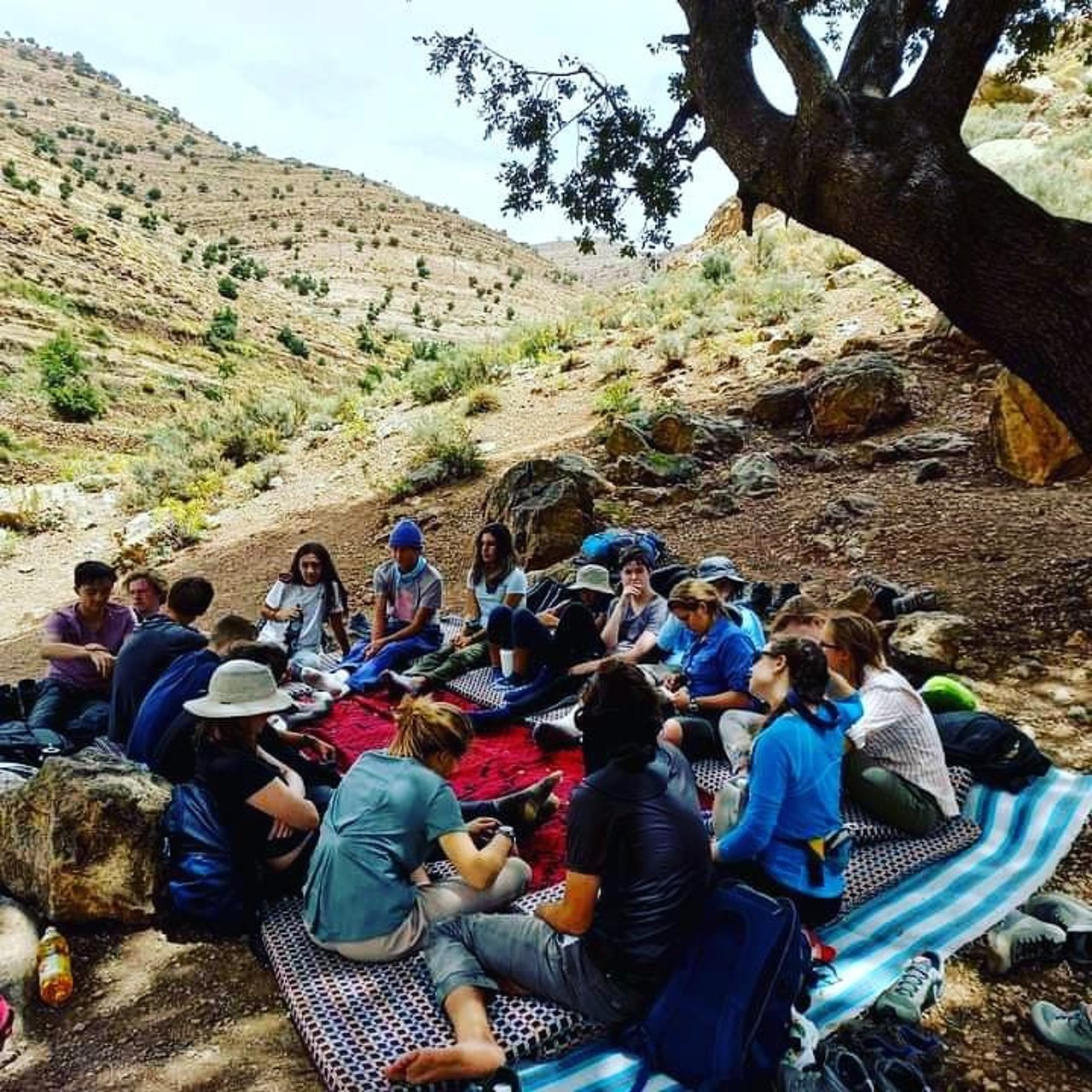
If you are offered tea, accepting is the polite response, and refusing repeatedly can be read as coldness. Tea is not a sales pitch; it is the social contract. Take your time over it. If you are invited into a home, follow your guide's lead on shoes, seating and photographs.
Money, tipping and buying
- Carry small notes; the valleys are cash economies.
- Buy from village shops and co-operatives rather than only in the city — that is where the money stays.
- Tipping guides and muleteers is customary at the end of a trek; ask your guide what is normal rather than guessing wildly high or low.
- Do not hand sweets or money to children on the trail. It encourages begging along the paths and undermines schools. Support the household or shop instead.
Water, waste and fields
Irrigation channels are drinking and farming water. Keep out of them, keep detergent away from them, and take every piece of rubbish down with you — including fruit peel, which does not disappear as fast at altitude as people assume. Stay on paths through terraces; the crops are someone's year.
Ramadan and religious life
During Ramadan, eat and drink discreetly out of sight of those fasting, and expect different rhythms in villages. Mosques and shrines — including Sidi Chamharouch on the Toubkal path — are places of worship rather than sights; observe from outside unless invited.
Why it matters commercially, too
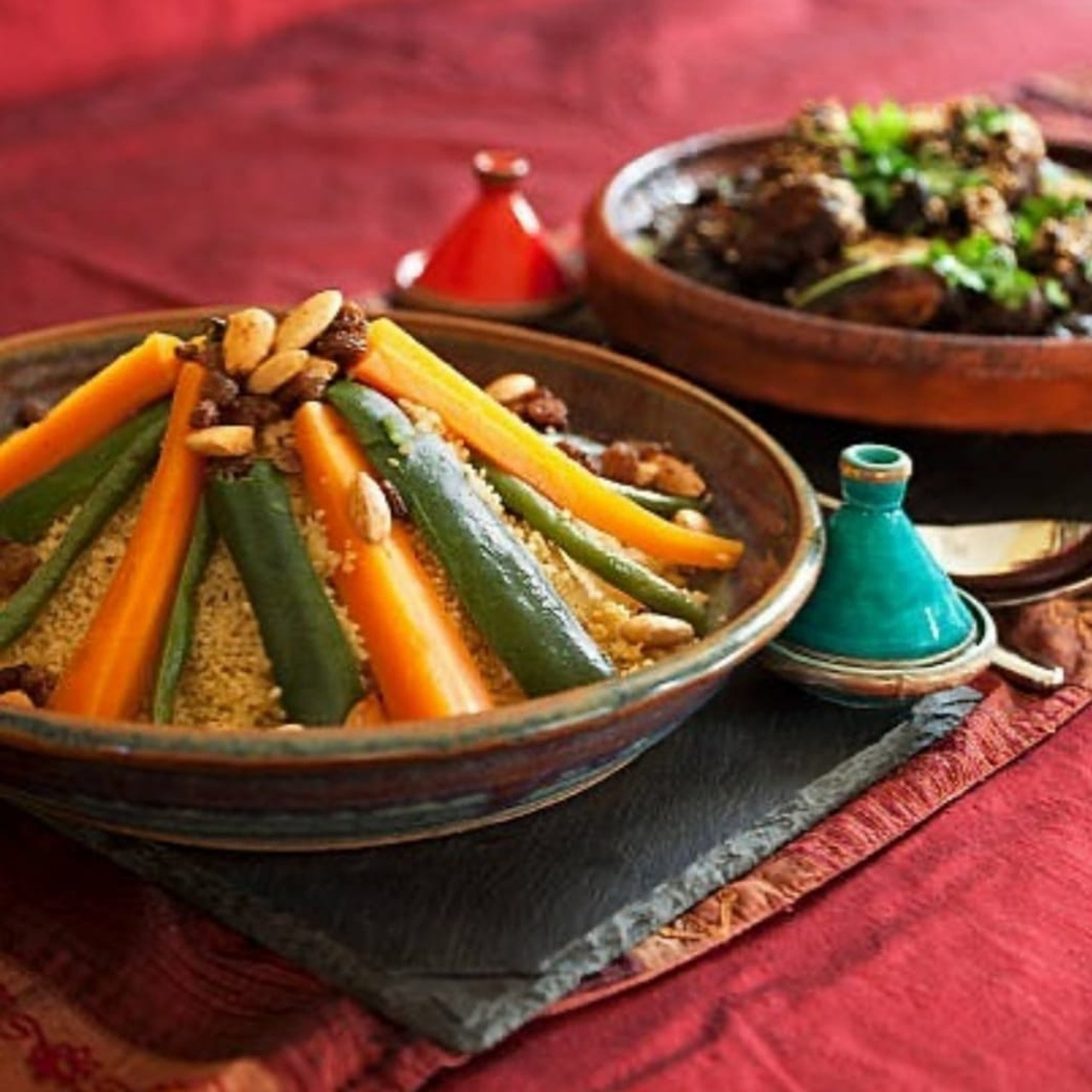
Trekking income is real income in these valleys, from guiding and muleteering to guesthouses and lunches. Our guides and muleteers are local people from the valleys you walk through, which is the reason the mule support works as smoothly as it does. If you are planning a village-focused trip, the family trek through Berber villages and the Berber cooking class in the Atlas are built around it.
If you are still shaping the trip itself, the Morocco trekking planning guide covers route, season and length. Ask us on WhatsApp if you would like a trek that spends more time in villages and less time chasing altitude.
Frequently asked questions
- How should I behave in Amazigh villages while trekking?
- Greet people before interacting, dress modestly, ask before photographing anyone, stay on paths through terraced fields and carry your rubbish out.
- Should I accept mint tea if offered?
- Yes. Accepting tea is the polite response and is a social gesture rather than a sales pitch.
- Is tipping expected on a High Atlas trek?
- Tipping guides and muleteers at the end of a trek is customary. Ask your guide what is normal rather than guessing.
- Should I give sweets or money to children on the trail?
- No. It encourages begging along the paths; supporting village shops and households is far more useful.