Hiking the Setti Fatma Waterfalls in the Ourika Valley
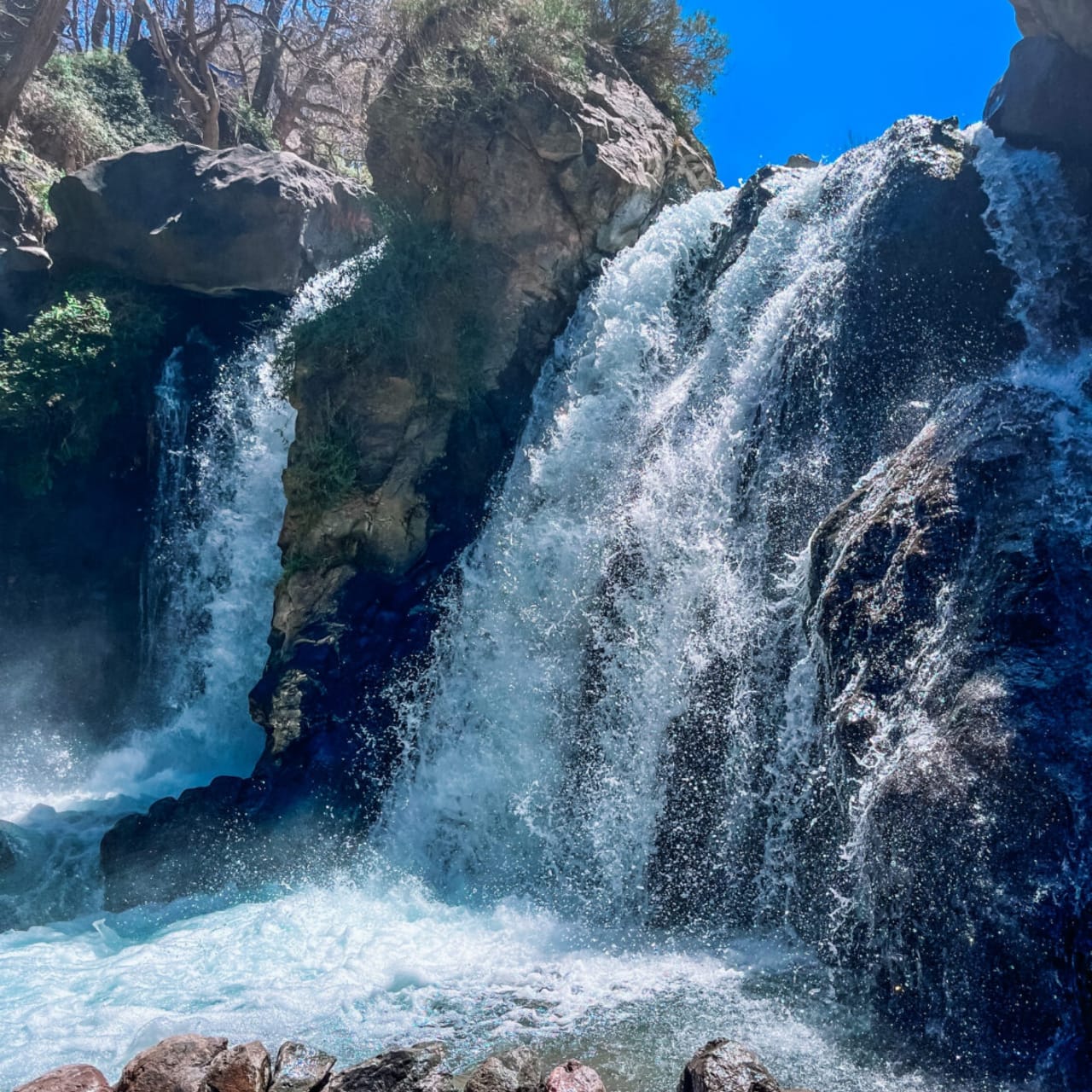
The famous waterfall walk is shorter than people expect and rougher than they expect. Both facts are worth knowing before you go.
What are the Setti Fatma waterfalls?
A chain of cascades above the village of Setti Fatma, at the head of the Ourika Valley about an hour and a half from Marrakech. The first waterfall is the one almost everyone visits; a series of further falls continues up the gorge for those willing to keep scrambling.
How hard is the walk?
Shorter than a trek, rougher than a stroll. The path to the first cascade involves boulder-hopping, stream crossings on stepping stones and some hands-on scrambling on polished rock. Most reasonably mobile people manage it; it is not suitable for anyone unsteady on their feet, and it is genuinely slippery when wet.
| Stage | Character |
|---|---|
| Village to the gorge | Cafés, stalls, riverside tables |
| First waterfall | 30–60 minutes of boulders and scrambling |
| Second to seventh falls | Progressively steeper and quieter |
What should I wear?
Shoes with real grip — not sandals, not smooth-soled trainers. Wet rock is the main hazard here, and every year visitors turn an easy outing into a twisted ankle by underestimating it. Bring water and sun protection; the gorge is shaded in places but the valley is not.
When is it best?
Spring is the classic time: snowmelt makes the falls full and the valley green. Summer brings heavy domestic and international visitor numbers and lower flow, though the river-cooled cafés are a genuine relief from Marrakech heat. Autumn is quieter and pleasant. In winter the water is cold and the rock can be icy in shade. After heavy rain, flow can be dangerous — follow local advice rather than pressing on.
Is it crowded?
At the lower falls, often yes, especially weekends and holidays. The crowd thins dramatically above the first cascade. Going early in the day is the simplest fix.
Do I need a guide?
Not to reach the first fall, though you will be offered help on the scramble. A guide is more useful for the wider valley — the villages, terraces and the Ourika's agricultural life — which is what our Ourika Valley and Setti Fatma day trip is built around.
How does it compare to other Atlas days?
Setti Fatma is a river-and-waterfall day rather than a mountain day. If you want ridges, passes and altitude, look at the 3 Valleys day trip or the Imlil Atlas day trip instead — the day hike versus multi-day guide sets out the difference, and the Morocco trekking planning guide covers season and route choice more broadly. Setti Fatma is also the eastern end of the long crossing described in our High Atlas traverse guide.
Practical notes
Bring cash for cafés and parking, expect enthusiastic offers of guiding and souvenirs, and treat the riverside restaurants as part of the experience rather than an ambush — agreeing prices first keeps everyone happy.
Message us on WhatsApp if you want the Ourika valley done properly, with the walk timed to avoid the busiest hours.
Frequently asked questions
- How hard is the Setti Fatma waterfalls hike?
- The first waterfall usually takes 30-60 minutes over boulders, stepping stones and some hands-on scrambling. It is short but genuinely rough and slippery when wet.
- How many waterfalls are there at Setti Fatma?
- A chain of cascades continues up the gorge above the first and most visited fall, with the upper ones far quieter.
- What shoes should I wear at Setti Fatma?
- Shoes with real grip. Wet polished rock is the main hazard, and sandals or smooth-soled trainers cause most injuries.
- When is the best time to visit the Ourika Valley waterfalls?
- Spring for full flow and green valleys, autumn for quieter conditions. Summer is busy, and after heavy rain flow can be dangerous.