Maroko
Gdzie kręcono Odyseję w Maroku: Ait Ben Haddou
2 września 2026 · 11 min czytania
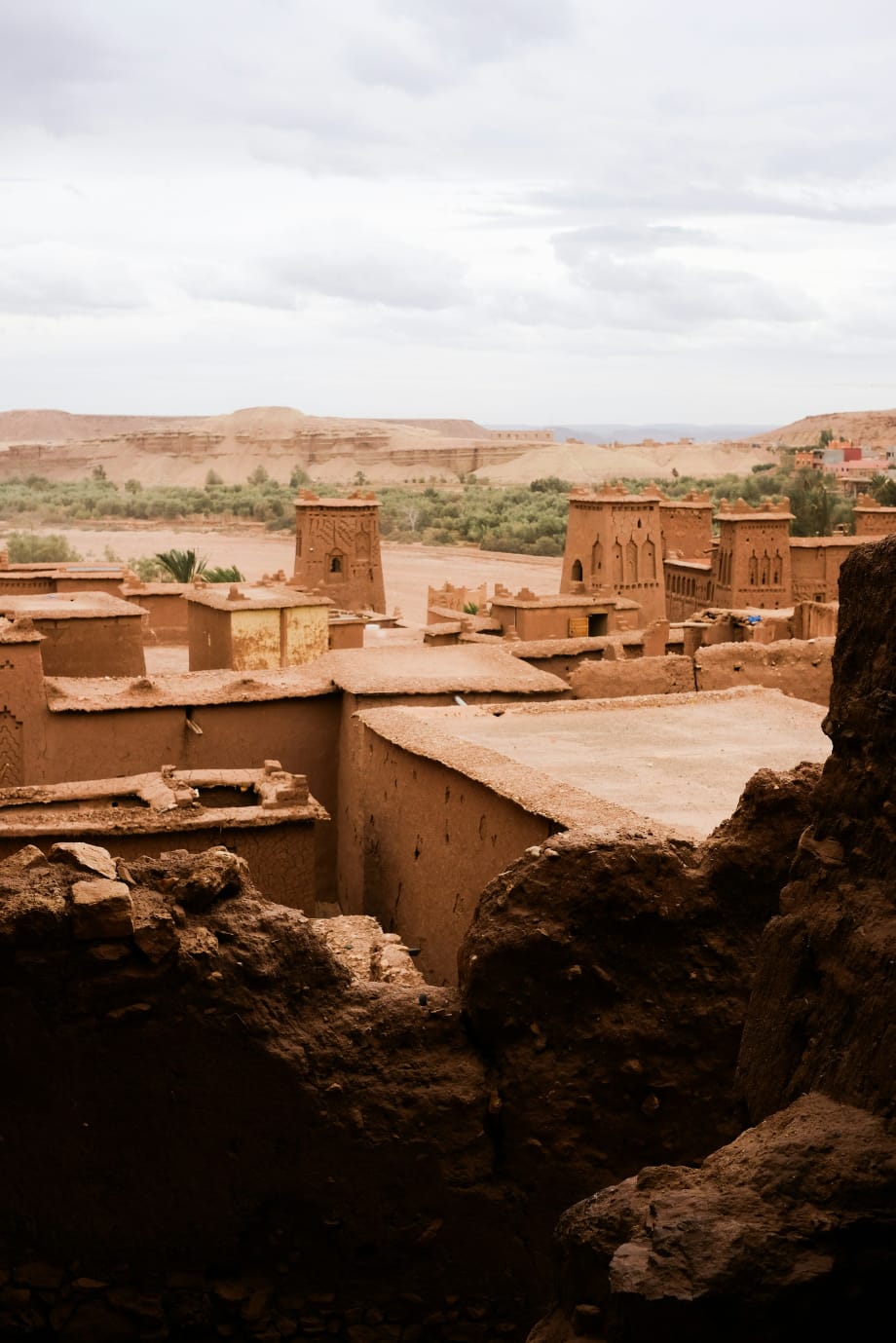
Odyseja Christophera Nolana zmieniła ksar Ait Ben Haddou (UNESCO) w Troję. Zobacz, co i gdzie kręcono w Maroku i jak odwiedzić to miejsce z Marrakech.
Krótka odpowiedź: tak, Odyseję kręcono w Maroku
Christopher Nolan nakręcił większość Odysei w prawdziwych plenerach zamiast na tle green screenu, a Maroko posłużyło za tło dla trzech najbardziej rozpoznawalnych miejsc w filmie. Wpisany na listę UNESCO ksar Ait Ben Haddou niedaleko Ouarzazate gra starożytną Troję. Plaża w Essaouira to miejsce, gdzie na piasku staje Koń Trojański. Z kolei Biała Wydma na wybrzeżu w pobliżu Dakhla, na dalekim południu, udaje Ogygię – wyspę Kalipso.
Marokańskie media rozpisujące się o produkcji, w tym wywiad z marokańskim producentem wykonawczym filmu, Zakarią Alaoui, opisywały podróż Nolana po kraju w poszukiwaniu idealnych krajobrazów przed rozpoczęciem zdjęć w lutym 2025 roku. Ówczesne doniesienia branżowe wymieniały jako marokańskie plany zdjęciowe Marrakech, Tahanaoute, El Haouz, Essaouira, Ouarzazate oraz Dakhla. Film wszedł do kin 15 lipca 2026 roku.
Jako organizator wycieczek z siedzibą w Marrakech regularnie jeździmy trasą przez przełęcz Tizi n'Tichka do Ait Ben Haddou. Dalsza część tego artykułu to porcja czystej praktyki: czym naprawdę jest ksar, co zmieniło się na potrzeby filmu, a co pozostało bez zmian, oraz jak najlepiej zaplanować jednodniową wizytę.
Co wybudowano w Ait Ben Haddou i co przetrwało do dziś
To kwestia, którą podróżni mylą najczęściej. Ekipa filmowa nie kręciła na gotowej scenografii: zdjęcia powstawały w tętniącym życiem, mającym setki lat ksarze, który odpowiednio udekorowano. Z dokumentacji lokacji opublikowanej po premierze wynika, że wokół istniejących murów obronnych wzniesiono około sześćdziesięciu tymczasowych konstrukcji – w tym świątynię Ateny z kolumnadą oraz bramy miejskie – zajmujących łącznie około jednego hektara.
Te konstrukcje były jednak tymczasowe. To, co dziś zwiedzasz, to sam ksar: gliniane domy piętrzące się na zboczu wzgórza nad rzeką Ounila, ufortyfikowany spichlerz na samym szczycie oraz przeprawa prowadząca do wioski. Jeśli przyjedziesz tu z nadzieją, że zobaczysz gotową Troję, spotka Cię rozczarowanie. Jeśli jednak oczekujesz jednej z najlepiej zachowanych glinianych osad w Afryce Północnej – będziesz zachwycony.
Dlaczego filmowcy wciąż wracają do tej doliny
Ouarzazate od dziesięcioleci nazywane jest Hollywood Afryki, a powód jest prozaiczny: pewne, stabilne światło, rozległe, puste przestrzenie, doświadczona lokalna ekipa i studia oraz architektura z gliny i kamienia, która doskonale imituje starożytność – od Judei po Troję. Ait Ben Haddou leży zaledwie pół godziny drogi od tego filmowego zaplecza i nie wymaga niemal żadnych dekoracji, by przeobrazić się w warowne miasto z dowolnej epoki.
Wśród produkcji związanych na przestrzeni lat z regionem Ouarzazate znajdują się Gladiator, Mumia, Królestwo Niebieskie czy Gra o Tron. Lokalne media po premierze Odysei od razu wpisały ją na tę zaszczytną listę. Nie wymieniamy jednak każdego tytułu, o który pytają nas podróżni – wiele informacji krążających w sieci o filmach kręconych w ksarze jest niemożliwych do zweryfikowania, a my nie publikujemy niesprawdzonych rewelacji.
Gdzie leży Ait Ben Haddou i jak daleko stąd naprawdę
Ksar leży w prowincji Ouarzazate, przy dawnym szlaku karawanowym łączącym Saharę z Marrakech. Droga z Marrakech to około cztery godziny jazdy w jedną stronę przez przełęcz Tizi n'Tichka, położoną na wysokości ponad 2,000 m n.p.m. w Atlasie Wysokim.
Ze względu na tę odległość większość turystów traktuje ksar jedynie jako krótki przystanek na zdjęcia (około forty minut) podczas 3- lub 4-dniowej wyprawy na Saharę. Właśnie dlatego jednodniowa wycieczka musi mieć charakter prywatny: tylko wtedy możecie wyruszyć wcześnie rano, spokojnie wejść na szczyt spichlerza i cieszyć się pięknym światłem o poranku lub o zachodzie słońca, zamiast w pełnym, południowym upale.
Sama trasa: Tizi n'Tichka
Podróż na południe to nie tylko zwykły dojazd. Opuszczasz równinę Haouz, wspinasz się w Atlas Wysoki pośród gajów orzechowych i jałowców, pokonujesz przełęcz i zjeżdżasz w przedpustynny krajobraz, gdzie ziemia robi się czerwona, a wioski ustępują miejsca kazbom – a wszystko to w zaledwie kilka godzin.
Zimą na przełęczy mogą pojawić się opady śniegu. Jeśli droga jest zamknięta, po prostu nie da się przejechać – wolimy otwarcie o tym uprzedzić, zamiast improwizować plan awaryjny na poczekaniu. Planując podróż między grudniem a lutym, warto założyć pewną elastyczność w swoim harmonogramie.
Czego spodziewać się na miejscu
Najpierw przechodzi się do wioski, a potem zaczyna się podejście. Ścieżka pnąca się między domami jest nierówna, ułożona z ziemi i kamieni, gdzieniegdzie z prowizorycznymi stopniami. Nagrodą na szczycie jest agadir – stary, ufortyfikowany spichlerz – skąd z jednej strony roztacza się widok na dolinę, a z drugiej na dachy ksaru u Waszych stóp.
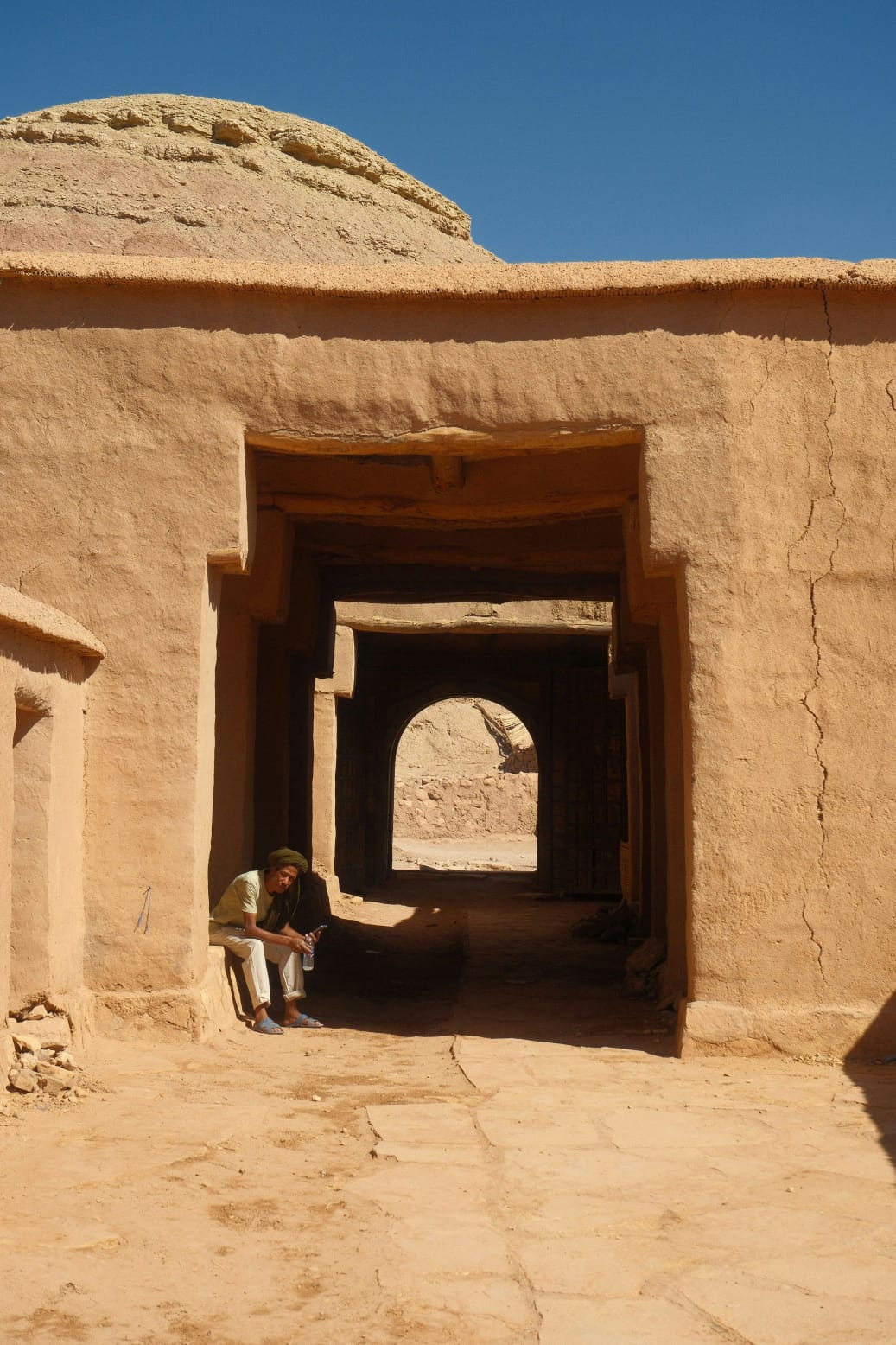
W ksarze wciąż mieszka garstka rodzin; większość społeczności przeniosła się do nowoczesnej wioski po drugiej stronie rzeki. Kilka domów udostępniono zwiedzającym (czasem za drobną, płatną na miejscu opłatą). Pamiętajcie, że to tętniące życiem miejsce, a nie skansen – robienie zdjęć mieszkańcom wymaga wcześniejszego zapytania o zgodę, nie jest to domyślne prawo turysty.
Fotografia: kiedy ksar naprawdę wygląda jak w filmie
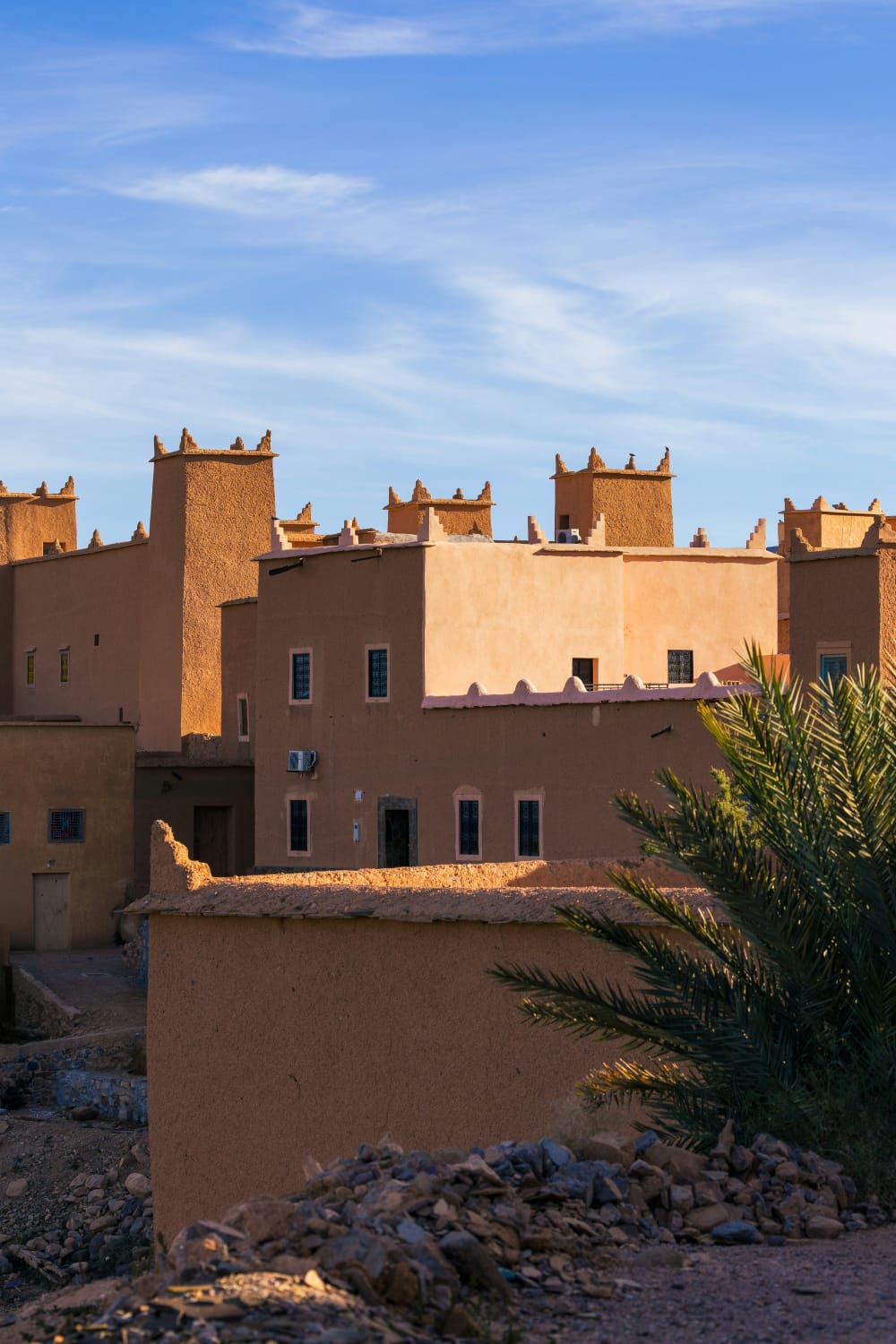
Ksar jest zwrócony w kierunku wschodnim, więc wczesne poranne słońce oświetla go od frontu, a późnym popołudniem promienie pięknie muskają wieże z boku. Południe, czyli czas, gdy przyjeżdżają autokary turystyczne, oferuje najbardziej płaskie i najmniej ciekawe światło – a to właśnie w tych godzinach dociera tu większość odwiedzających.
Jeśli Waszą główną motywacją jest kino, najlepszy kadr to szerokie ujęcie z przeciwnego brzegu rzeki lub ze spichlerza na szczycie z doliną w tle. Prywatna wycieczka jednodniowa to jedyny realny sposób, by znaleźć się tam poza godzinami szczytu.
Odpowiedzialne zwiedzanie
Turystyka filmowa przynosi dochód lokalnej społeczności, ale może też zmienić wioskę w bezduszną dekorację. Dobre nawyki są proste: wydawajcie pieniądze bezpośrednio w ksarze, a nie tylko w Marrakech, pytajcie o zgodę przed zrobieniem zdjęcia ludziom lub wnętrzom, trzymajcie się wyznaczonych ścieżek w zamieszkanych częściach i zabierajcie puste butelki po wodzie ze sobą.
My również niczego nie reżyserujemy. Nie ma tu przebierańców, odgrywania scenek ani obietnic, że będziecie mieć cały ksar wyłącznie dla siebie.
Zwiedzaj z nami
We run a private day trip from Marrakech to Ait Ben Haddou over the Tizi n'Tichka, with Ouarzazate included when the day's timing allows. It is €189 per person retail, €179.55 per person when you book direct on our site, and that price includes private round-trip transport from Marrakech, the driver, lunch, a local guide at the ksar, entrance fees where required for the included visit and bottled water. You can pay securely online.
Jeśli wolicie dłuższą trasę śladami filmów i kazb – łączącą Ait Ben Haddou, Ouarzazate oraz drogę w kierunku Sahary – dajcie nam znać, ile macie dni, a my zaplanujemy podróż idealnie skrojoną pod Wasze potrzeby.
Going to see the real place
Tour prices are per person; the direct price is exactly 5% below our public rate. The transfer price is per private vehicle, one way, and is transport only.
Najczęstsze pytania
- Czy film The Odyssey był kręcony w Ait Ben Haddou?
- Tak. Ksar Ait Ben Haddou przedstawia Troję w filmie The Odyssey Christophera Nolana, który był kręcony w Maroku od lutego 2025 i wszedł na ekrany 15 lipca 2026.
- Które miejsca w Maroku pojawiają się w filmie The Odyssey?
- Oficjalne doniesienia z planu wskazują Ait Ben Haddou jako Troję, plażę w Essaouirze jako miejsce sceny z koniem trojańskim, a Białą Wydmę niedaleko Dakhli jako Ogygię – wyspę Kalipso. Ekipa filmowa pracowała również w Marrakech, Tahanaoute, El Haouz i Ouarzazate.
- Czy w Ait Ben Haddou nadal można zobaczyć plan filmowy?
- Nie. Konstrukcje wzniesione na potrzeby produkcji – według doniesień było to około sześćdziesięciu tymczasowych obiektów, w tym świątynia i bramy miejskie – miały charakter tymczasowy. Dziś zwiedza się sam zabytkowy ksar.
- Jak dojechać do Ait Ben Haddou z Marrakech?
- Drogi prowadzą przez przełęcz Tizi n'Tichka – to około cztery godziny jazdy w jedną stronę. Nie ma połączenia kolejowego ani drogi na skróty. Prywatny transport to jedyny sposób, aby odbyć tę podróż komfortowo w jeden dzień.
- Ile kosztuje prywatna jednodniowa wycieczka do Ait Ben Haddou?
- €189 per person retail, or €179.55 per person booking direct with us. That includes private round-trip transport from Marrakech, the driver, lunch, a local guide at Ait Ben Haddou, entrance fees where required for the included visit and bottled water.
- Jakie inne filmy kręcono w okolicach Ouarzazate?
- W tym regionie powstawały takie produkcje jak Gladiator, Mumia, Królestwo Niebieskie czy Gra o Tron. Podajemy wyłącznie tytuły, których obecność w tym miejscu potwierdzają oficjalne źródła.
- Czy warto wybrać się do Ait Ben Haddou na jednodniową wycieczkę?
- Jeśli nie przeszkadza Ci spędzenie ośmiu godzin w podróży przez Atlas Wysoki – zdecydowanie tak. Jeśli to brzmi zbyt męcząco, to miejsce lepiej sprawdzi się jako pierwszy przystanek na kilkudniowej trasie w kierunku Sahary.
- O jakiej porze dnia najlepiej zwiedzać Ait Ben Haddou?
- Wczesnym rankiem lub późnym popołudniem. W południe jest tu najbardziej tłoczno, światło do zdjęć jest najbardziej płaskie i właśnie wtedy dociera tu większość wycieczek grupowych.
Chcesz zaplanować swoją podróż do Maroka?
Wyślij nam swoje daty i miejsca, które chcesz odwiedzić. Odeślemy Ci informację o dostępności, wycenę dla Twojej grupy i przejrzysty plan.