Is Telouet worth visiting?
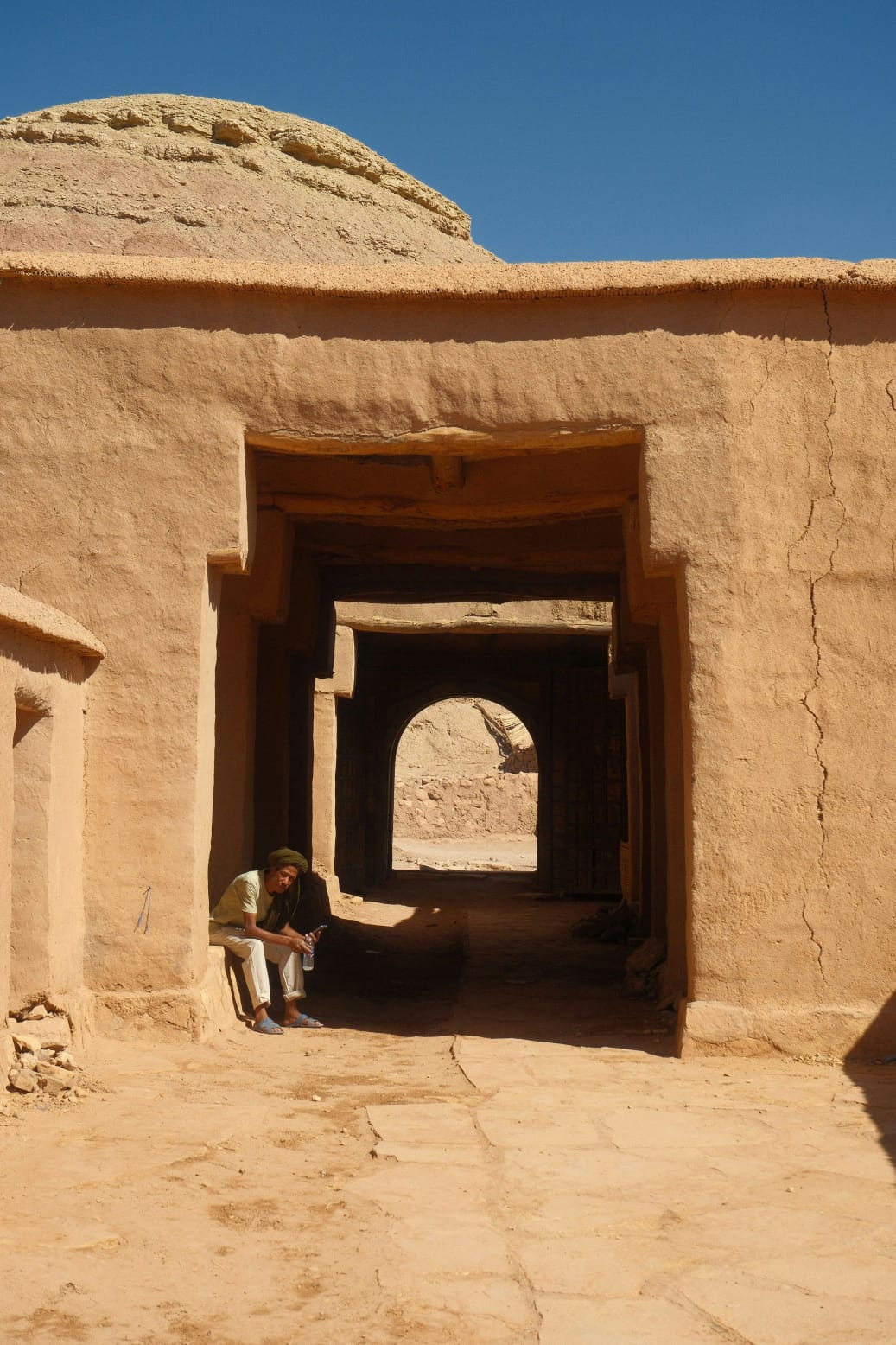
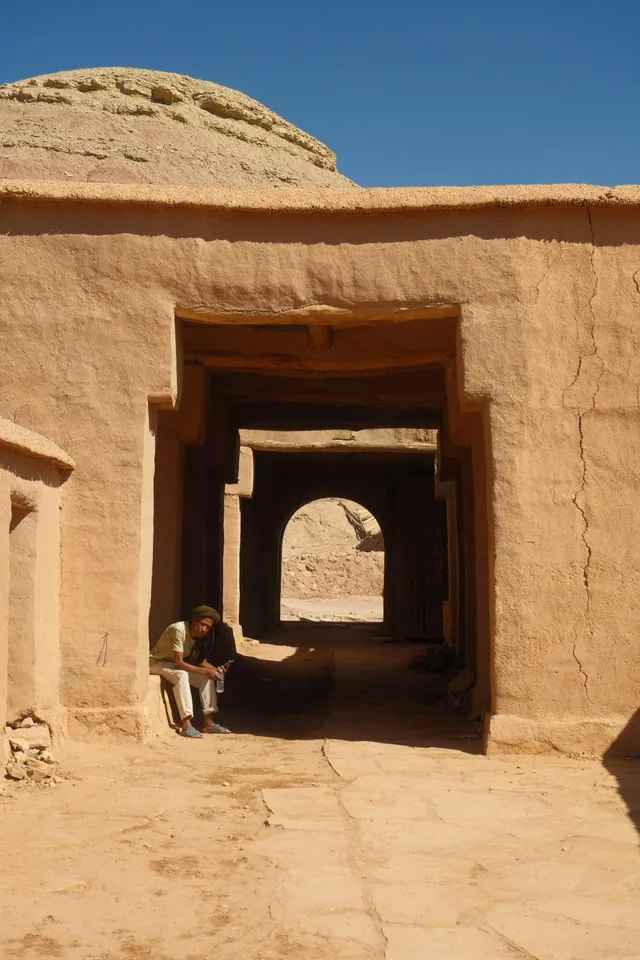
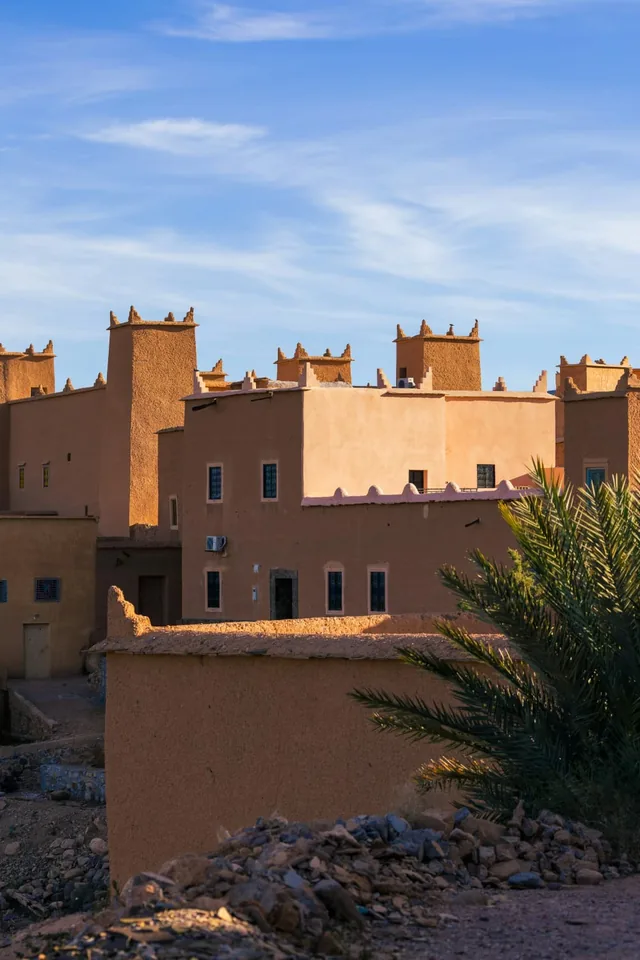
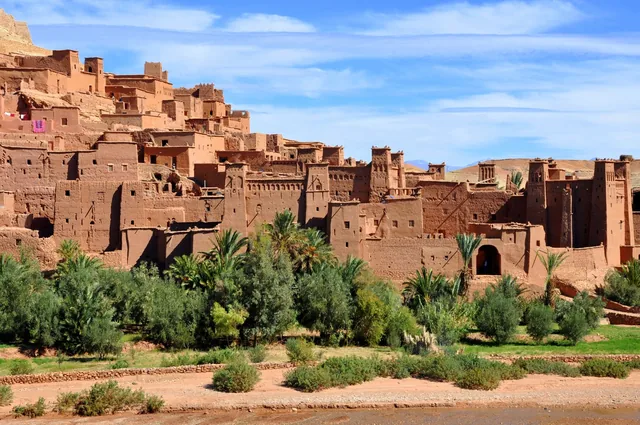
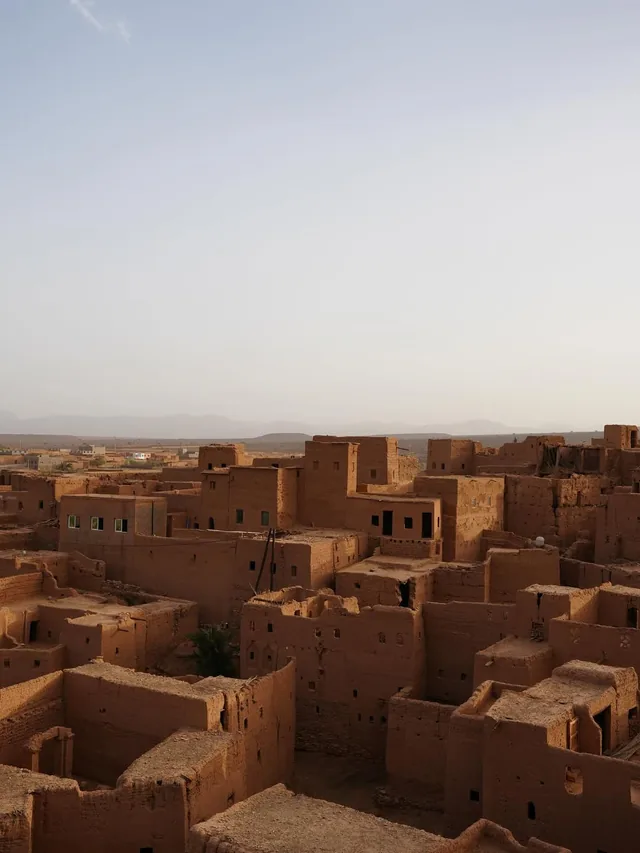
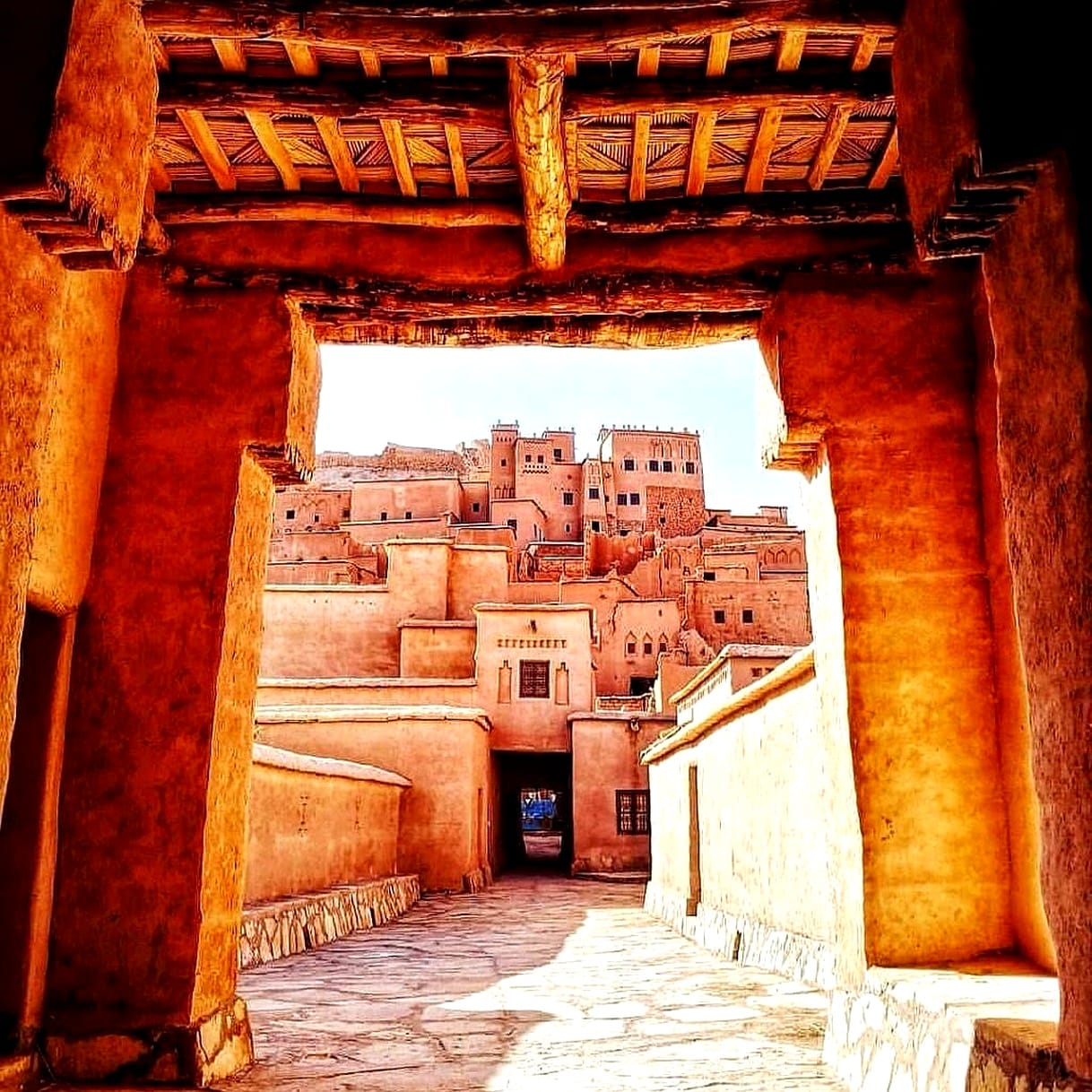
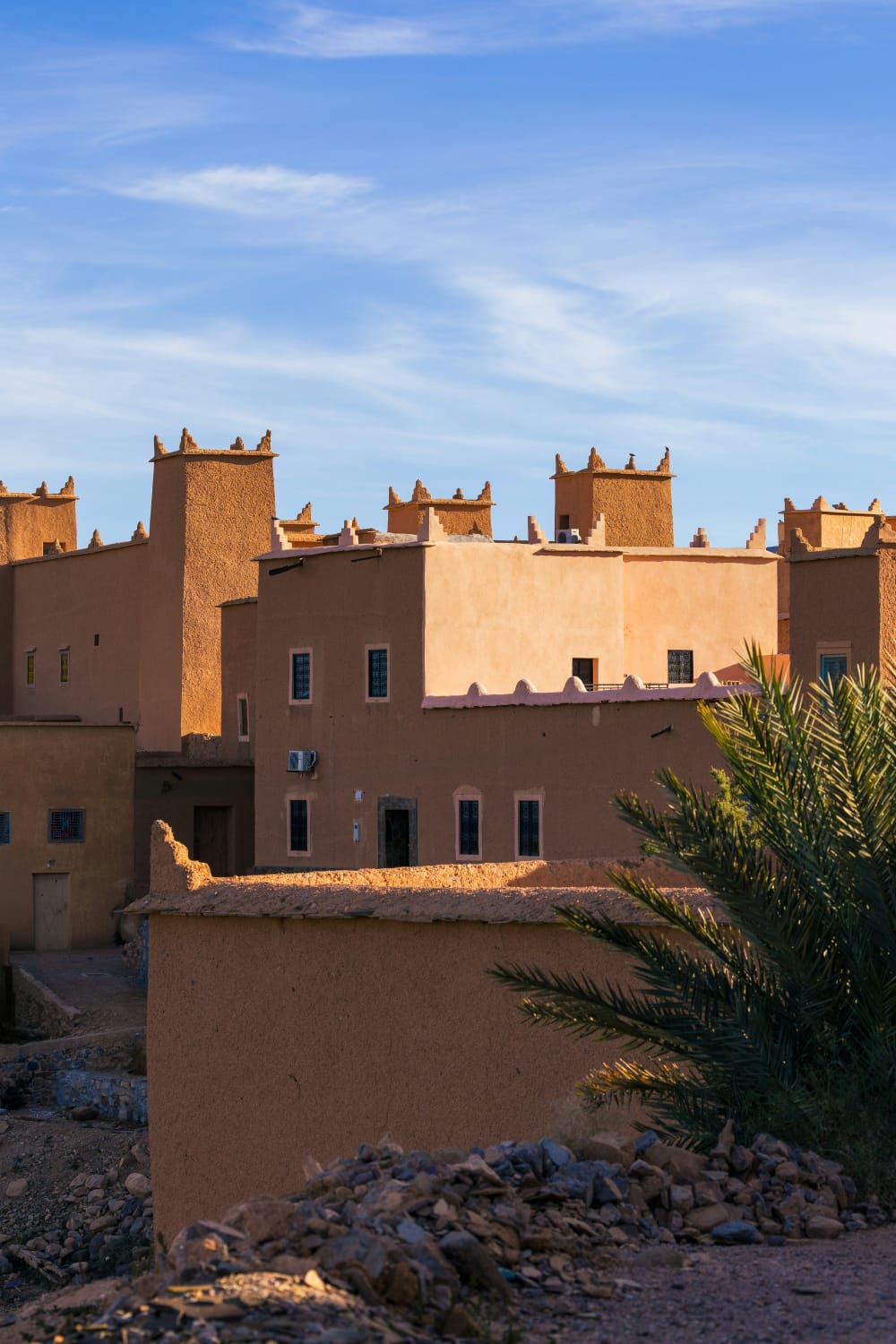
If you are interested in how the south was controlled and what a Glaoui kasbah actually looked like inside, yes. The painted rooms survive even though much of the outer building has collapsed.
Can we also see Aït Ben Haddou?
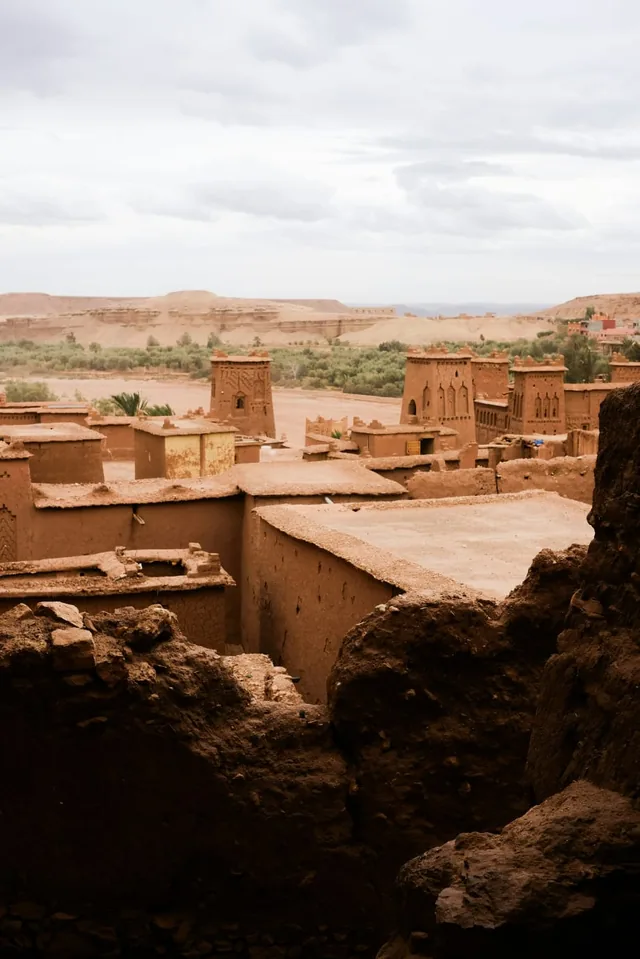
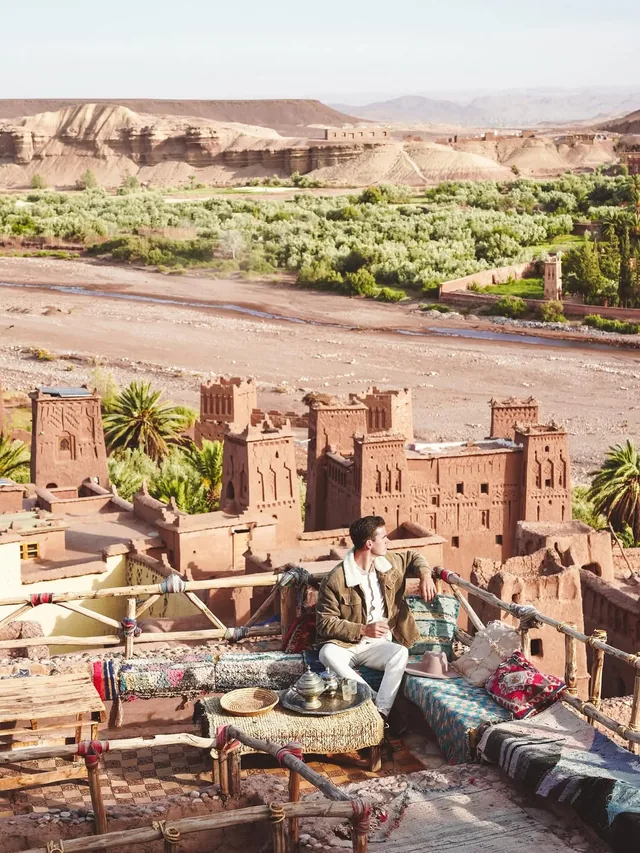
Yes, on request. The Ounila valley road leads towards it. It makes the day considerably longer, so tell us when you enquire and we will be honest about the timing.
Is there much walking?
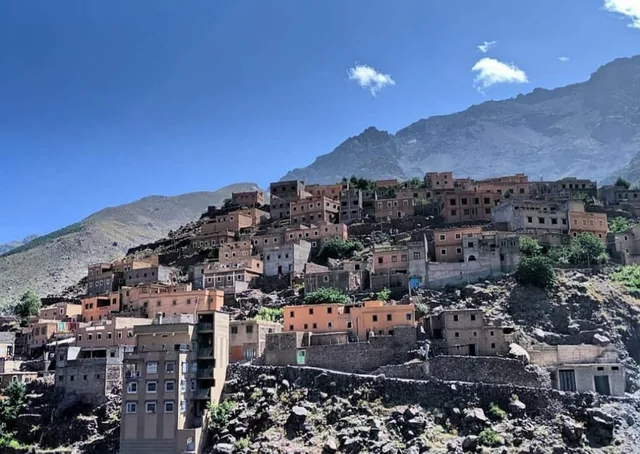
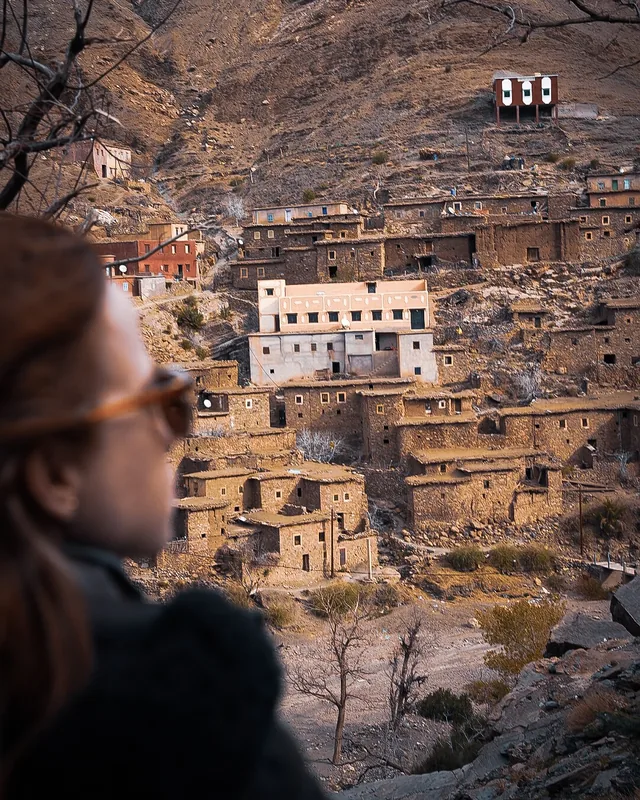
Only inside the kasbah and around the village stops. The day is mostly driving with short walks.
What is the road like?
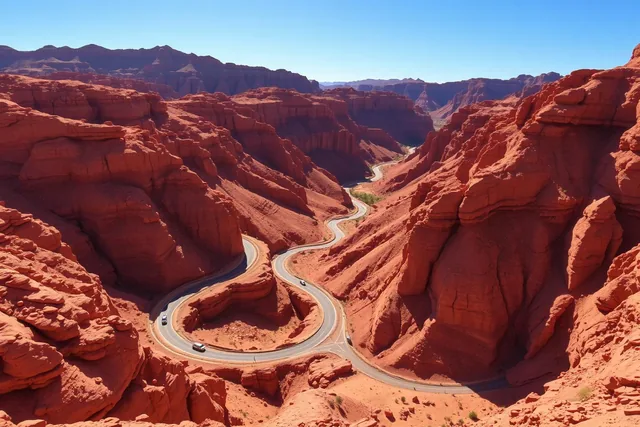
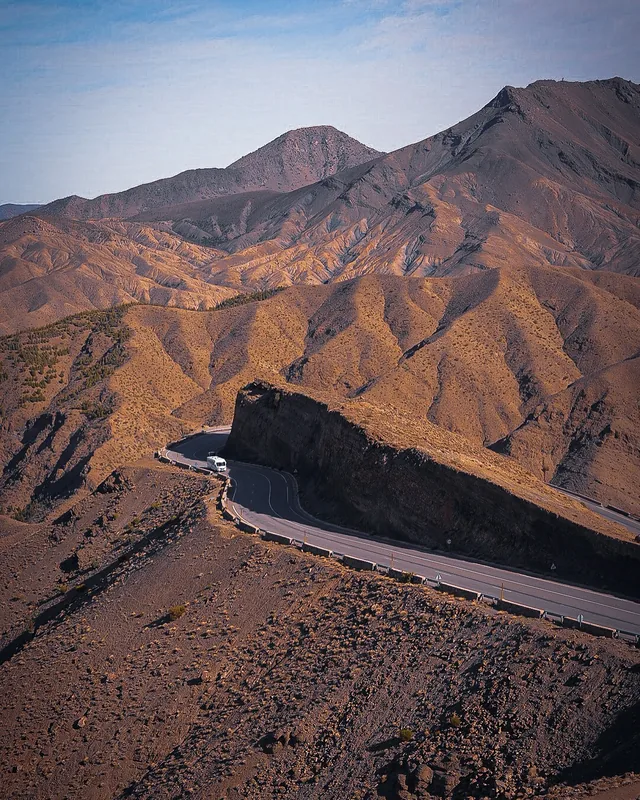
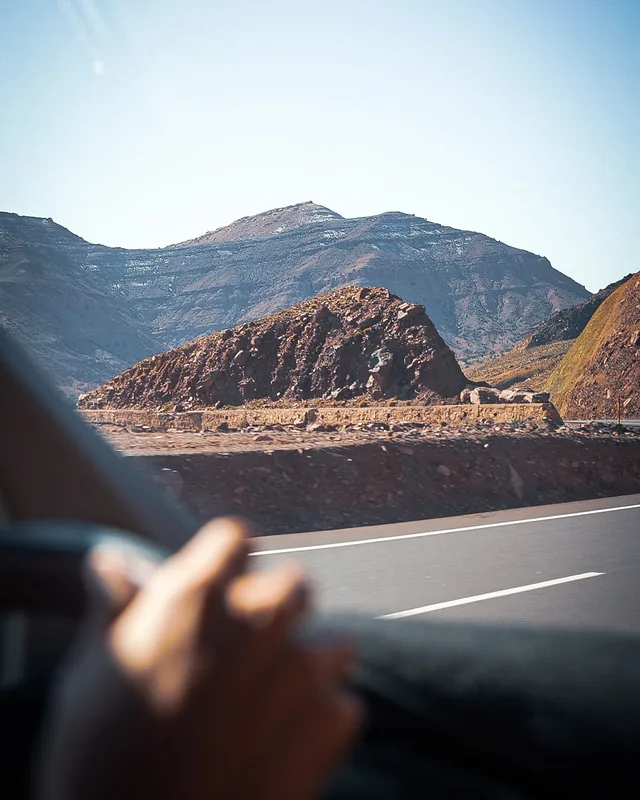
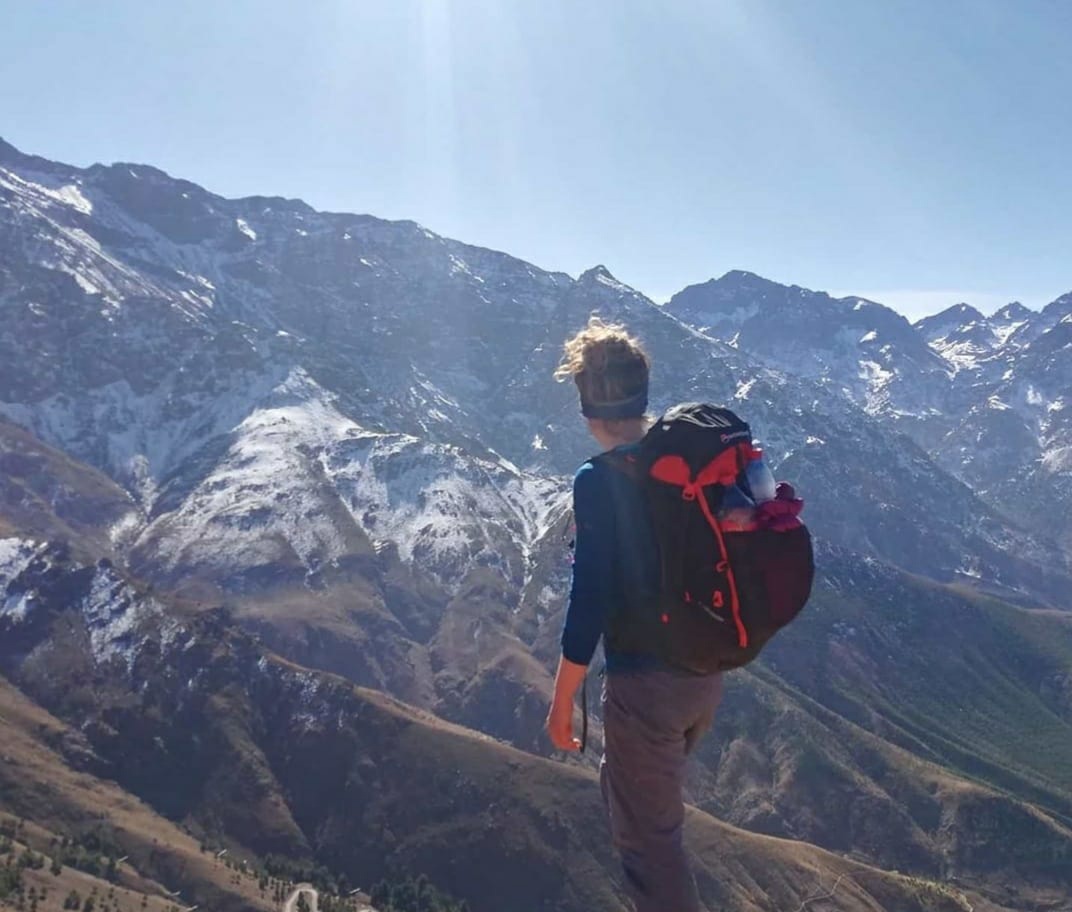
The Tizi n'Tichka is a paved mountain pass with many bends, then a smaller road towards Telouet and the valley.
Is a guide included?
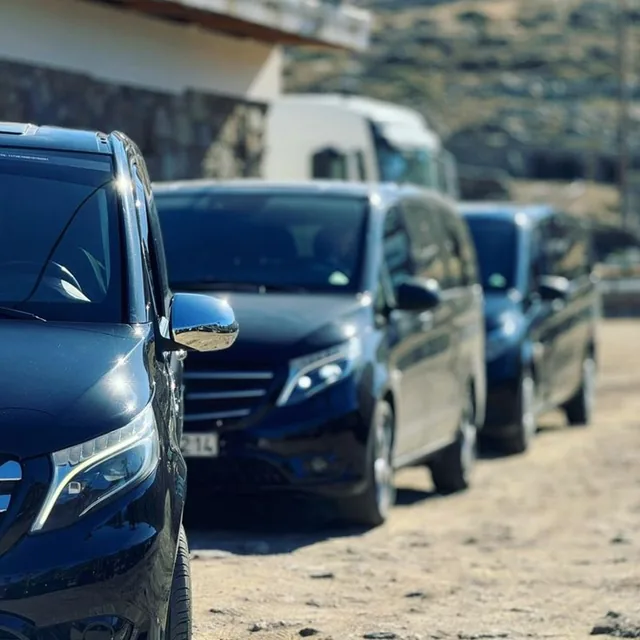
Yes, a local guide at the kasbah, plus your driver for the day. Say if you want a full-day private guide as well and we quote it.
Can this be private?
Yes — most travellers book this route privately. Tell us your group size for a quote.
How long does the Telouet & Ounila Valley last?
This experience lasts full day from Marrakech. The experience runs from Marrakech.
Is hotel pickup included in the Telouet & Ounila Valley?
Hotel or riad pickup in Marrakech.
How much does the Telouet & Ounila Valley cost?
The price is {list} per person, or {direct} when you book directly with us instead of through a booking platform. Owner-approved public rate per person (owner pricing decision 2026-09-16). Book direct for the 5% direct-booking saving.
How many people join the Telouet & Ounila Valley?
Small group or private. This tour is available as small group or private.
What languages are spoken on the Telouet & Ounila Valley?
Your guide or driver speaks English, French, Spanish, Berber, Arabic. Tell us your preferred language when you book and we confirm it before departure.
What is included in the Telouet & Ounila Valley?
Included: Round-trip transport from Marrakech, Driver for the day, Local guide at Telouet kasbah, Bottled water. Not included: Personal expenses, souvenirs and extra drinks, Travel insurance, Gratuities for the team, Lunch, Entrance fees where they apply.
What should I bring on the Telouet & Ounila Valley?
Bring: Comfortable walking shoes, Sun hat, sunglasses and sunscreen, A light layer for the drive back, Water and any medication you need during the day, Cash in dirhams for personal purchases, A warm layer for the pass, which is cold in winter.