Ourika Valley vs 3 Valleys: Which Atlas Mountains Day Trip is Best?
Struggling to choose between the Ourika Valley and the 3 Valleys? Our local guide breaks down the scenery, hiking, and cultural differences to help you decide.
Choosing Your Atlas Mountains Escape
When you only have a single free day in Marrakech to explore the High Atlas Mountains, you want to make every moment count. Trading the bustling medina for the fresh mountain air is a highlight of any Moroccan itinerary, but most visitors quickly find themselves needing to narrow their options down to the two most popular excursion routes: the Ourika Valley or the 3 Valleys day trip. Both of these incredible journeys take you out of the city heat, lift you into the cooler mountain altitudes, and introduce you to the warmth of traditional Berber hospitality.
However, despite their geographic proximity, these two trips offer entirely different experiences. One is a highly focused, immersive deep dive into a single, lush river gorge famous for its cascading waterfalls and lively atmosphere. The other is a broader, higher-altitude circuit that crosses multiple diverse landscapes, valleys, and offers sweeping panoramic views of North Africa's highest snow-capped peaks.
Toubkal Views is a Moroccan company run by Mustapha Amazouz and Ahmed Amzil, working with licensed local mountain guides. We operate both of these day trips year-round, so we know what makes each route special and who each itinerary suits best. If you find yourself debating the Ourika Valley vs 3 Valleys, this guide will provide you with the practical, unvarnished local knowledge you need to decide which Atlas valley to visit.
The Ourika Valley Day Trip: A Deep Dive into a Green Oasis
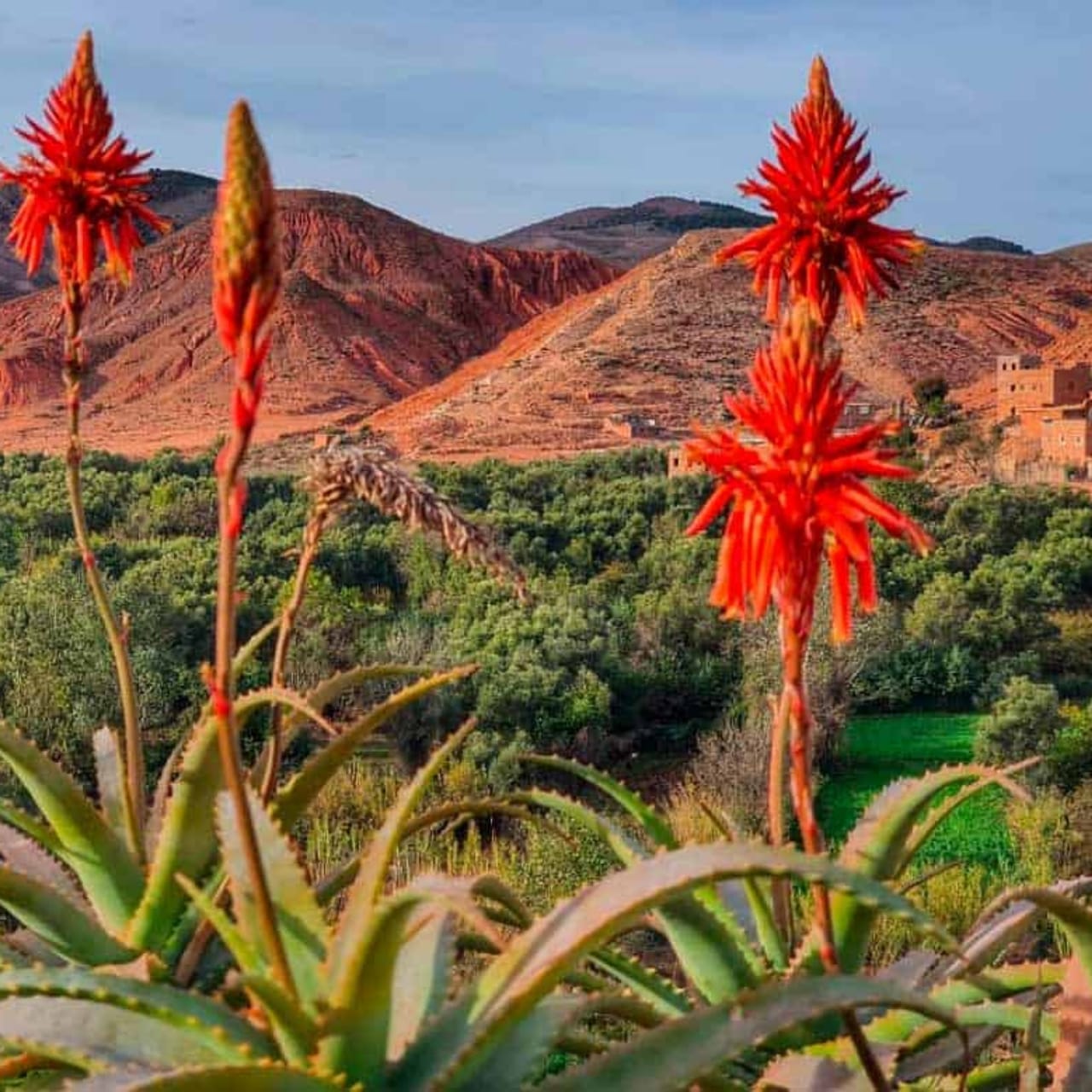
Located just 60 kilometres south of Marrakech, the Ourika Valley serves as the most accessible and beloved entry point into the Atlas Mountains. The drive itself is a fascinating transition. Leaving the flat, dusty plains behind, the road begins to snake its way up, closely following the winding path of the Ourika River. The landscape is dominated by steep, rust-red canyon walls that dramatically contrast with the vivid green walnut, olive, and weeping willow trees growing vigorously along the riverbanks.
The Setti Fatma Waterfalls
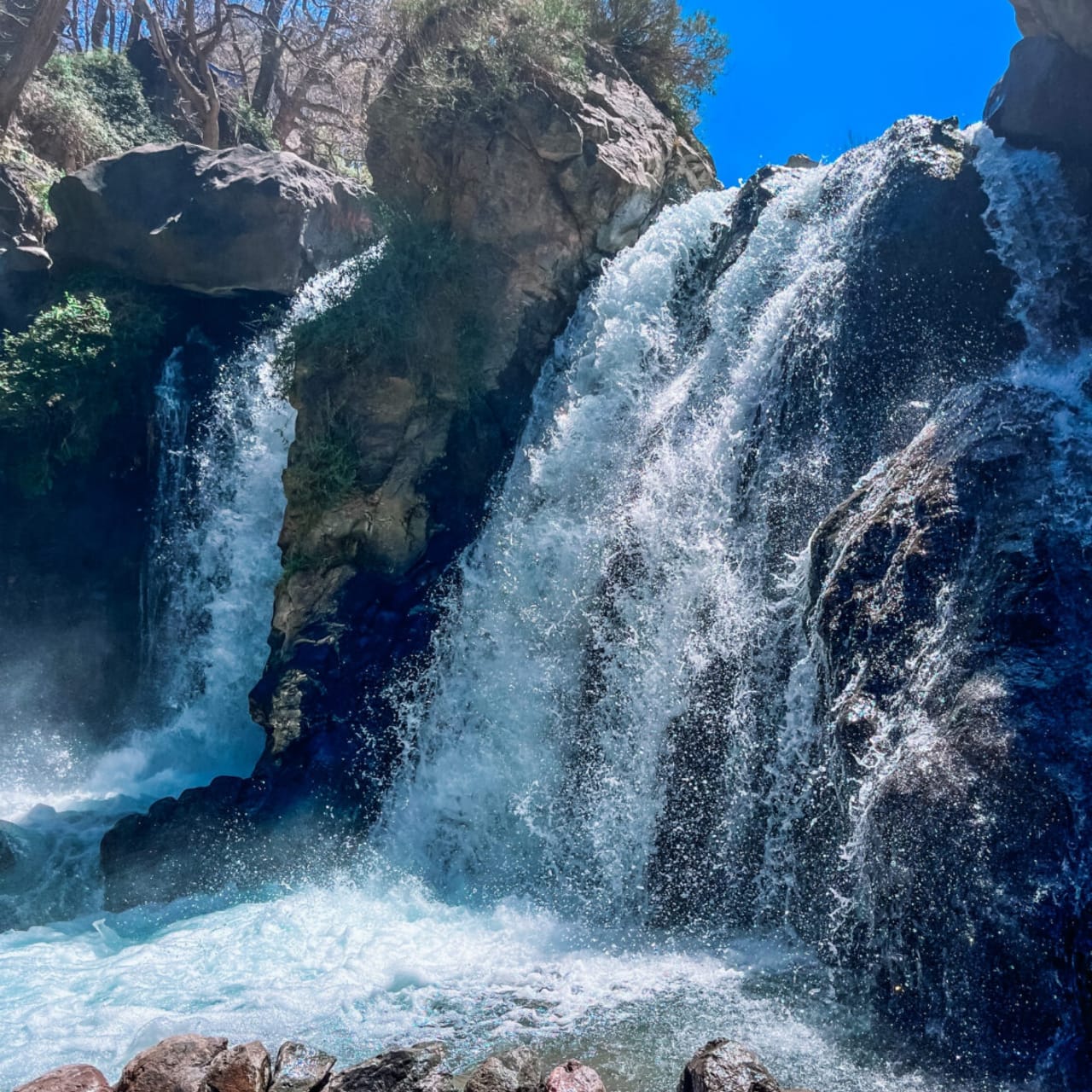
The absolute, undisputed highlight of the Ourika Valley is the lively village of Setti Fatma, the traditional starting point for the famous waterfall hike. There are seven waterfalls in total hidden within the rock formations. The first waterfall is a relatively easy walk and easily accessible, making it incredibly popular with local Moroccan families looking to escape the relentless summer heat of the city. Reaching the upper six falls, however, is a different story. It requires a guided scramble over giant boulders, navigating narrow dirt tracks, and sometimes physically crossing the shallow streams. It is a highly interactive, physical experience rather than a passive viewing platform. You will use your hands, you will likely get splashed, and you will feel an incredible sense of achievement when you reach the top.
The Vibe and Culture
Because of its close proximity to Marrakech, the Ourika Valley is deeply set up for day-trippers. The culture here revolves around the water. The riverbanks are completely lined with colourful local cafes and restaurants where the tables, chairs, and even the sofas are placed directly in the shallow, running water. Sitting back to eat a bubbling, slow-cooked lamb and plum tajine with your bare feet resting in the ice-cold mountain river is a quintessential Ourika experience. The valley is bustling, vibrant, highly social, and uniquely energetic, especially on weekends and national holidays.
Who Should Choose Ourika?
- Families with older, active children: The boulder scrambling required to reach the upper waterfalls serves as a brilliant, natural playground for kids with energy to burn.
- Travellers looking to escape the heat: The deep, shaded gorge and the unique riverside cafes offer the absolute best respite from the intense Marrakech summer sun.
- Those wanting a shorter driving day: While the driving time heavily depends on local traffic, it is generally a straightforward out-and-back route without the need to cross major, winding mountain passes.
The 3 Valleys Day Trip: A High-Altitude Cultural Circuit
If the Ourika Valley is about focusing your energy on one green gorge, the Atlas Mountains & 3 Valleys Day Trip is fundamentally about scale, diversity, and altitude. This comprehensive 9-hour circuit takes you through three distinct valleys: Asni, Moulay Brahim, and Imlil, offering a much broader perspective of the High Atlas range.
The Route and Scenery
The landscape on this circuit changes rapidly and dramatically. You begin in the Moulay Brahim gorge, a stark, dramatic landscape defined by towering limestone cliffs. From there, the vehicle climbs higher into the Asni valley, a wide, fertile agricultural bowl famous for its sprawling apple orchards, walnut groves, and its vibrant Saturday market where local farmers gather from miles around. Finally, the road winds up into the stunning Imlil valley, sitting proudly at 1,740 metres above sea level. This is true, rugged alpine territory. Imlil serves as the primary basecamp for the Marrakech: 2-Day Mount Toubkal Summit Trek. On a clear day here, the majestic snow-capped 4,167-metre summit of Mount Toubkal completely dominates the skyline above you.
The Vibe and Culture
The 3 Valleys trip is significantly more focused on authentic, traditional Berber mountain culture than the lively riverside cafes of Ourika. In Imlil, you will step completely away from the commercial tourist setups. A core, essential part of this day trip involves taking a short, wonderfully scenic guided hike between high-altitude Berber villages. To understand the local way of life, the itinerary features a genuine Berber house visit, where you can see how mountain communities live, farm, and construct their terraced homes into the steep mountain slopes. Following this enriching house visit, you will enjoy a traditional lunch served at a beautiful spot above the river, offering tranquil views as you dine.
Who Should Choose the 3 Valleys?
- Culture and landscape lovers: If you want sweeping, dramatic mountain panoramas and an authentic, respectful look at Berber village life, this is unequivocally the superior option.
- Photography enthusiasts: The contrasting landscapes—transitioning rapidly from deep river gorges to high-altitude snowy peaks—provide vastly more varied and spectacular photo opportunities.
- Aspiring hikers: The walking in Imlil is much more about navigating ancient, relatively flat mule tracks between villages rather than scrambling up wet waterfall rocks on your hands and knees.
Head-to-Head Comparison: Ourika vs. 3 Valleys
To make your decision even easier, let's break down exactly how these two popular Atlas mountains day trips from Marrakech compare across the most important travel categories.
Scenery and Landscapes
Ourika Valley: Enclosed, lush, dramatic, and intensely green. You are spending your time at the bottom of a deep river gorge looking up. The visual focus is entirely on the rushing water, the vibrant red rocks, and the dense, shady greenery. 3 Valleys: Expansive, open, and truly alpine. You are often driving or walking along high ridges looking down into vast valleys and up at North Africa's absolute highest mountain peaks. The sense of scale is immense.
Hiking and Activity Level
Ourika Valley: The hike to the famous Setti Fatma waterfalls is essentially a guided rock scramble. You will absolutely need to use your hands, carefully step over wet boulders, and navigate uneven, unpaved terrain. It generally takes about 1.5 to 2 hours to go up and back down. 3 Valleys: The walking in the Imlil valley is highly adaptable to your fitness level. It typically involves a 1 to 2-hour guided walk on established, relatively flat dirt mule tracks that connect the local villages. It is far less technically demanding than the waterfall hike but arguably offers much better sweeping views.
Cultural Interaction
Ourika Valley: While you can visit a fascinating argan oil cooperative on the way up the valley, the culture in Setti Fatma revolves heavily around local weekend tourism, socialising, and riverside dining. It is brilliant fun and very lively, but noticeably commercialised. 3 Valleys: Offers a much quieter, deeper, and more authentic cultural experience. The included Berber house visit provides a genuine, unforced window into daily life in the high Atlas, and eating a peaceful lunch situated above the river provides a completely different, much more tranquil atmosphere.
Logistics and Driving Time
Ourika Valley: A relatively straightforward drive straight south. It usually takes around 1.5 hours to reach the village of Setti Fatma, though be aware that the narrow mountain road can suffer from traffic bottlenecks during peak Moroccan holidays and hot summer weekends. 3 Valleys: You cover significantly more ground on this trip. The drive up to Imlil takes nearly two hours, but because it is a circuit (often returning via the stunning Kik Plateau if the weather permits), you spend slightly more time in the vehicle. However, you are rewarded with constantly changing, majestic scenery in every direction.
Seasonal Considerations: When to Go
Your choice might also depend entirely on what time of year you are visiting Marrakech. The Atlas Mountains change drastically with the passing of the seasons, and each valley shines at different times.
Spring (March to May): Both trips are absolutely spectacular during the spring months. In Ourika, the heavy snowmelt from the high peaks means the Setti Fatma waterfalls are roaring at full power and the river is rushing. In the 3 Valleys, the sprawling apple and cherry blossoms in Asni are in full bloom, making the valley floor incredibly beautiful and colourful.
Summer (June to August): Marrakech is sweltering during the summer. Ourika is the traditional local escape because of the freezing cold river water and the deep, protective shade of the gorge. However, the 3 Valleys trip goes much higher in altitude (reaching up to 1,740m in Imlil), meaning the ambient air temperature drops significantly, offering a dry, wonderfully refreshing alpine climate.
Autumn (September to November): A brilliant, stable time for both excursions. The autumn foliage in both the Ourika and Imlil valleys turns a stunning mix of bright yellow, copper, and red. The walking trails are perfectly dry, the skies are generally crystal clear, and the summer crowds have dispersed.
Winter (December to February): The 3 Valleys trip is the absolute winner here. Ourika can feel quite cold, damp, and overly shaded at the bottom of the gorge in winter, and the waterfall rocks become slick and slippery. Imlil, however, sits above the inversion layer, offering crisp, clear, sunny days with magnificent, unparalleled views of the snow-covered Toubkal massif.
Practical Preparation: What to Pack and Wear
No matter which Atlas valley to visit you ultimately decide upon, the practical preparation is remarkably similar. You are leaving the flat, paved plains of Marrakech for rugged, high-altitude mountain terrain. Preparation makes all the difference.
Proper Footwear: This is the single most important factor for a great day. For Ourika, you absolutely need sturdy trainers or hiking shoes with excellent grip to safely navigate the wet rocks near the Setti Fatma waterfalls. Flip-flops or smooth-soled sandals are genuinely dangerous here. For the 3 Valleys, comfortable, broken-in walking shoes are required for the dusty village trails.
Smart Clothing: Layering is essential in the Atlas. Even if it is 35 degrees Celsius down in Marrakech, it can easily be 10 to 15 degrees cooler up in the mountains, especially in the shaded Ourika gorge or the high-altitude Imlil valley. Always bring a light fleece or windbreaker jacket in your daypack, even in the height of summer.
Essentials and Cash: Bring Moroccan Dirhams in small denominations (20s, 50s, 100s). You will want cash on hand to buy bottled water, leave tips for your local mountain guides, or purchase unique souvenirs at the argan cooperatives and village stalls. Don't forget sunscreen and sunglasses, as the UV rays at altitude are surprisingly strong.
The Verdict: Which Trip Should You Book?
If you want a highly active, slightly adventurous rock scramble to see waterfalls, and you absolutely love the idea of eating a tasty tagine with your toes resting in a cool mountain river alongside local Moroccan families, you should book our Ourika Valley & Setti Fatma Waterfalls Day Trip. It is fun, lively, highly social, and incredibly refreshing.
If, however, you prefer sweeping, dramatic mountain views, want to see towering snow-capped peaks, and are genuinely interested in discovering traditional Berber culture with a dedicated house visit away from the heavy tourist crowds, then the Atlas Mountains & 3 Valleys Day Trip is unequivocally the better choice for your style of travel.
Book Your Atlas Adventure with Toubkal Views
At Toubkal Views, we handle all the transport logistics, route planning, and guiding so you can simply relax and enjoy the mountains. Both of these fantastic day trips include comfortable private or small-group transport directly from your Marrakech accommodation, English-speaking local drivers, and licensed, highly experienced local mountain guides for all of the walking sections.
To secure your dates, request a booking, or simply ask us any questions about the current weather and trail conditions up in the valleys, you can contact Mustapha and Ahmed directly. Send us a WhatsApp at +212 606 258 056 and we will help you arrange the perfect, unforgettable day out in the High Atlas. Alternatively, you can explore our full range of mountain activities on our Trekking in Morocco hub or read more about our recommendations for the best day trips from Marrakech.
Frequently asked questions
- Do I need hiking boots for the Ourika Valley waterfalls?
- Full, heavy hiking boots are not strictly necessary, but you absolutely need sturdy trainers or athletic shoes with a good grip. The rocks around the Setti Fatma waterfalls can be wet and quite slippery. Do not attempt the waterfall hike in sandals or flip-flops.
- Which day trip is better for young children?
- Both trips can be adapted to your pace, but the 3 Valleys is generally much easier for very young children as the walking paths between the villages are wider, flatter, and far less technical than the steep rock scrambling required to see the upper Ourika waterfalls.
- Is it much colder in the Atlas Mountains than in Marrakech?
- Yes. Because of the significant gain in altitude, the mountains are consistently cooler than the city of Marrakech. In summer, this drop in temperature is a welcome relief. In winter, you will definitely need a warm jacket, especially in Imlil (on the 3 Valleys route) which sits at an elevation of 1,740 metres.
- Do these day trips include lunch?
- Our 3 Valleys day trip features a fascinating Berber house visit, followed by a delicious lunch served at a scenic spot above the river. For the Ourika Valley trip, we allow ample time for you to choose one of the many atmospheric riverside restaurants in Setti Fatma to purchase your own lunch.
- Will I get altitude sickness on the 3 Valleys day trip?
- No, it is highly unlikely. The absolute highest point you will spend significant time at is the village of Imlil, which is around 1,740 metres above sea level. Altitude sickness generally only begins to affect people who are exercising or sleeping at elevations above 2,500 metres.