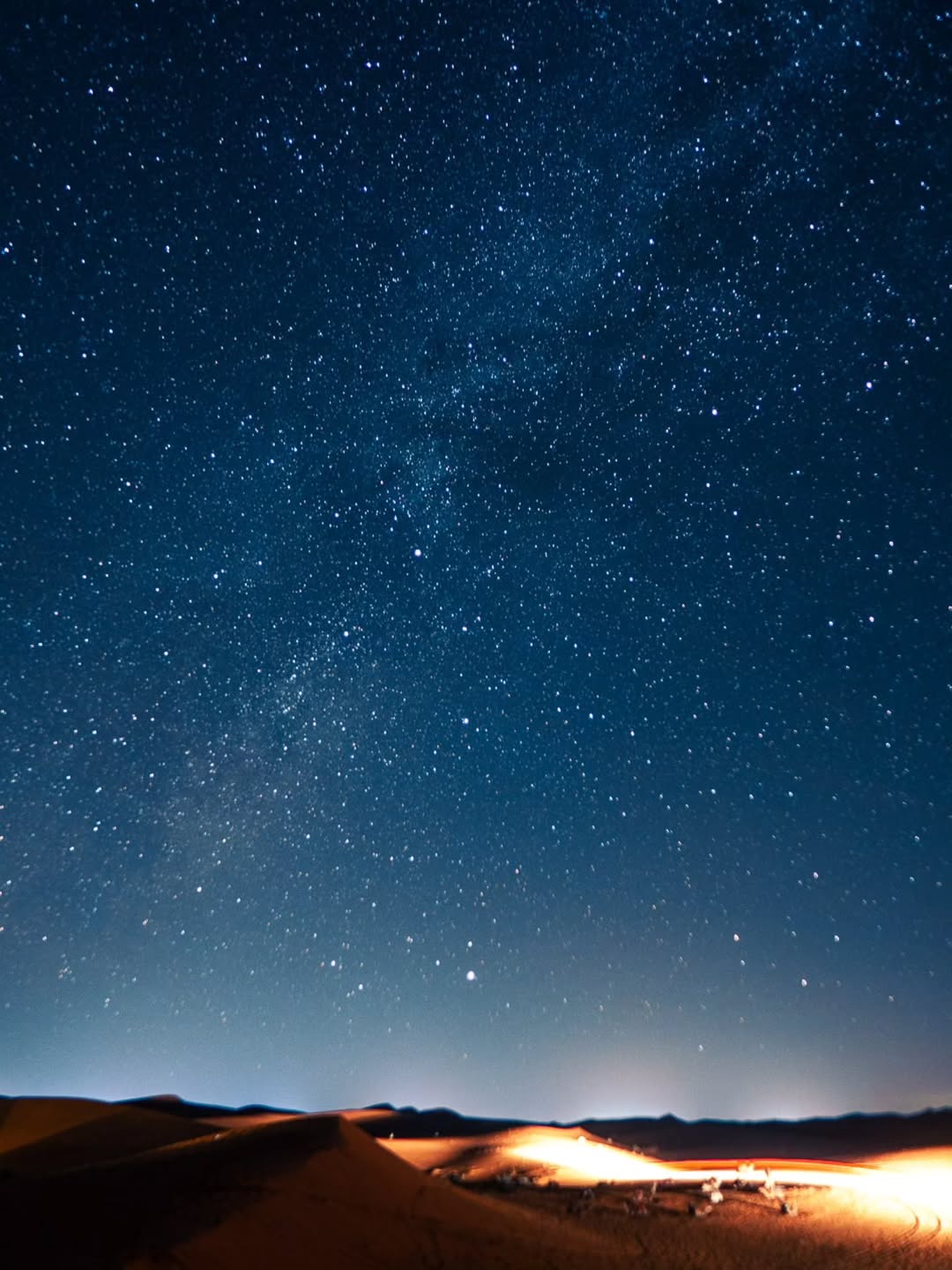
Best Time to Visit Merzouga and the Moroccan Sahara
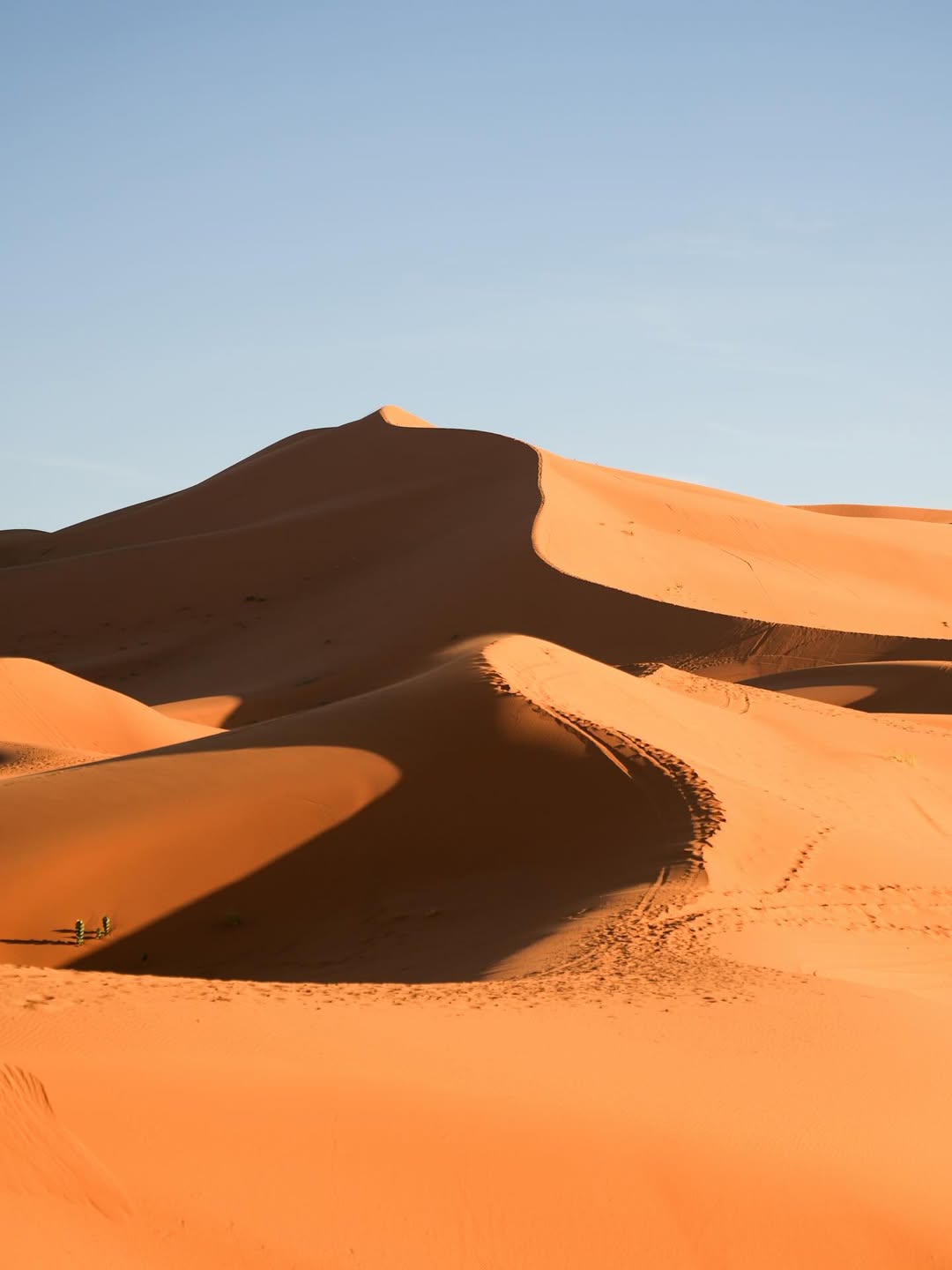
Spring and autumn are the comfortable seasons at Erg Chebbi, but every month is possible with the right expectations. Here is what each part of the year feels like in the dunes.
The Sahara is not a year-round-identical destination. Daytime heat, night-time cold and spring wind change the experience far more than anything on an itinerary.
The short answer
- Best overall: March–May and October–November.
- Hottest: July–August, with afternoons that regularly pass 40 °C.
- Coldest nights: December–February, sometimes close to freezing after dark.
- Windiest: late winter into spring, when blowing sand can flatten visibility for a day or two.
Season by season
| Season | Days | Nights | Notes |
|---|---|---|---|
| Spring (Mar–May) | Warm and pleasant | Cool | The most popular window; some windy days |
| Summer (Jun–Aug) | Very hot | Mild | Activity shifts to early morning and late evening |
| Autumn (Sep–Nov) | Warm, settled | Cool | Our own favourite; stable light and fewer sandstorms |
| Winter (Dec–Feb) | Mild and bright | Cold | Excellent visibility; bring proper warm layers |
Exact temperatures vary year to year, so treat this as a pattern rather than a forecast — check the days before you travel.
Travelling in summer anyway
Plenty of people do, usually because that is when they have holiday. It works if the itinerary respects the heat: leave early, use the vehicle's air conditioning through the middle of the day, ride into the dunes late, and drink far more water than feels necessary. Nights in the dunes are the pleasant part of a summer trip.
Travelling in winter
Winter is underrated. The light is clean, the dunes are quiet, and the driving days over the Atlas are comfortable. The catch is after dark: camps supply blankets but you need your own warm layer, hat and something for your hands. See what a night at a desert camp is like.
Note also that the same months bring snow to the High Atlas passes on the way — occasionally the Tizi n'Tichka closes briefly, and itineraries are rerouted.
Ramadan and holidays
During Ramadan, roadside restaurants and small-town services keep reduced daytime hours, though tourist accommodation and camps operate normally. Moroccan public holidays and the European school holidays are the busiest periods at the erg; if you want the dunes to yourself, avoid late December and mid-August.
Booking timing
Camps and private vehicles fill first in spring and autumn, and around New Year. If you are travelling then, message us with your dates early — we can hold a departure while you confirm flights. For the trip lengths available, see how many days you need or start with the 3-Day Merzouga tour.
Frequently asked questions
- What is the best month to visit Merzouga?
- March to May and October to November are the most comfortable, with warm days and cool rather than cold nights.
- Is Merzouga too hot in summer?
- July and August afternoons regularly pass 40 °C. Trips still run, but activity moves to early morning and late evening, and the nights are pleasant.
- How cold is the Sahara in winter?
- Winter days are mild and bright, but nights can approach freezing. Camps provide blankets; bring a warm layer, hat and gloves.
- When is sandstorm season?
- Blowing sand is most common in late winter and spring. It usually lasts a day or two, reduces visibility and is uncomfortable rather than dangerous.
- Does snow affect the drive to the desert?
- Occasionally. Winter snow can briefly close the Tizi n'Tichka pass in the High Atlas, in which case the route is adjusted.
- Is Merzouga busy during Ramadan?
- It is generally quieter. Camps and hotels operate normally, but small-town restaurants keep reduced daytime hours.