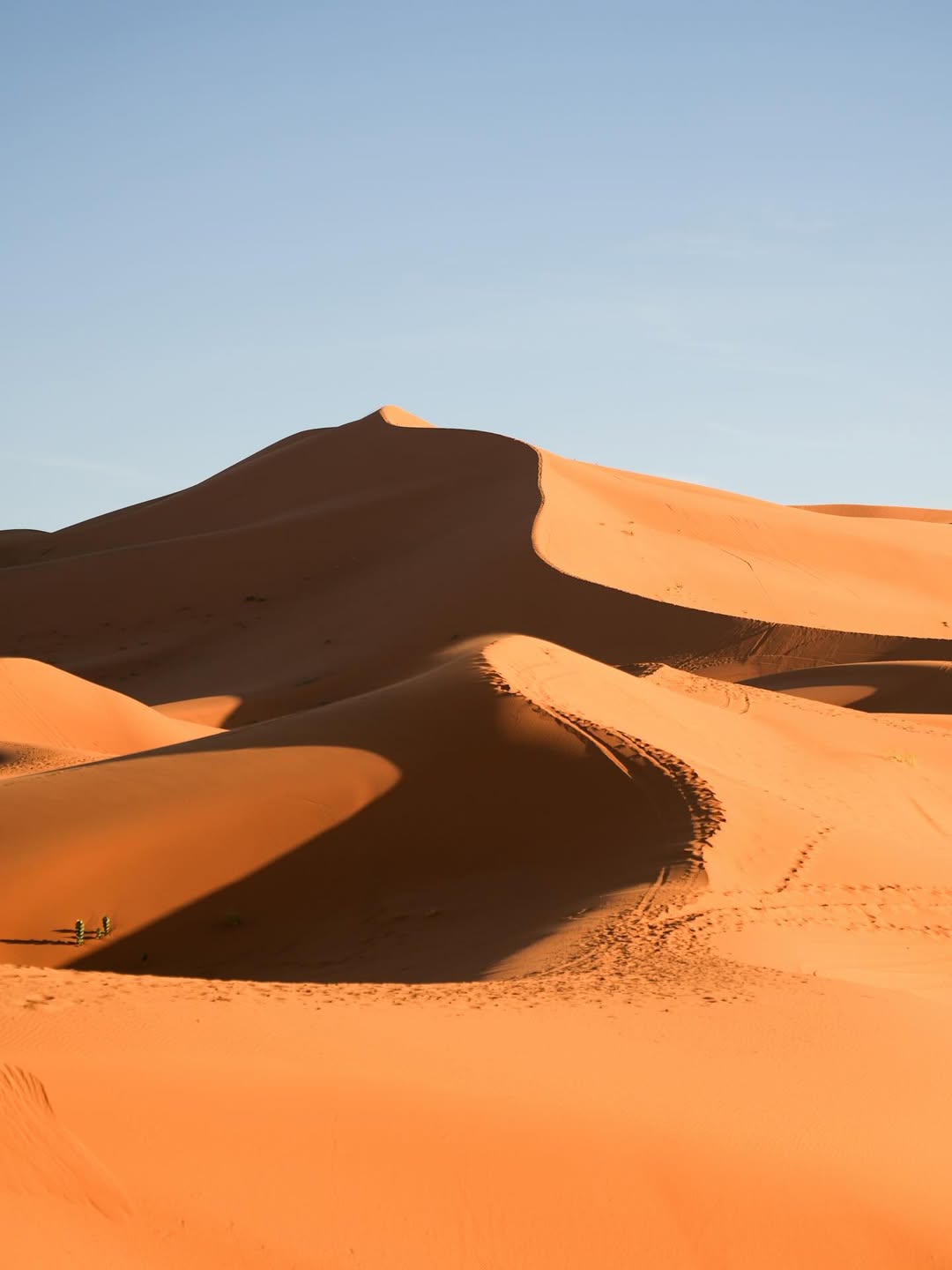
A Night in a Sahara Desert Camp: What It Is Really Like
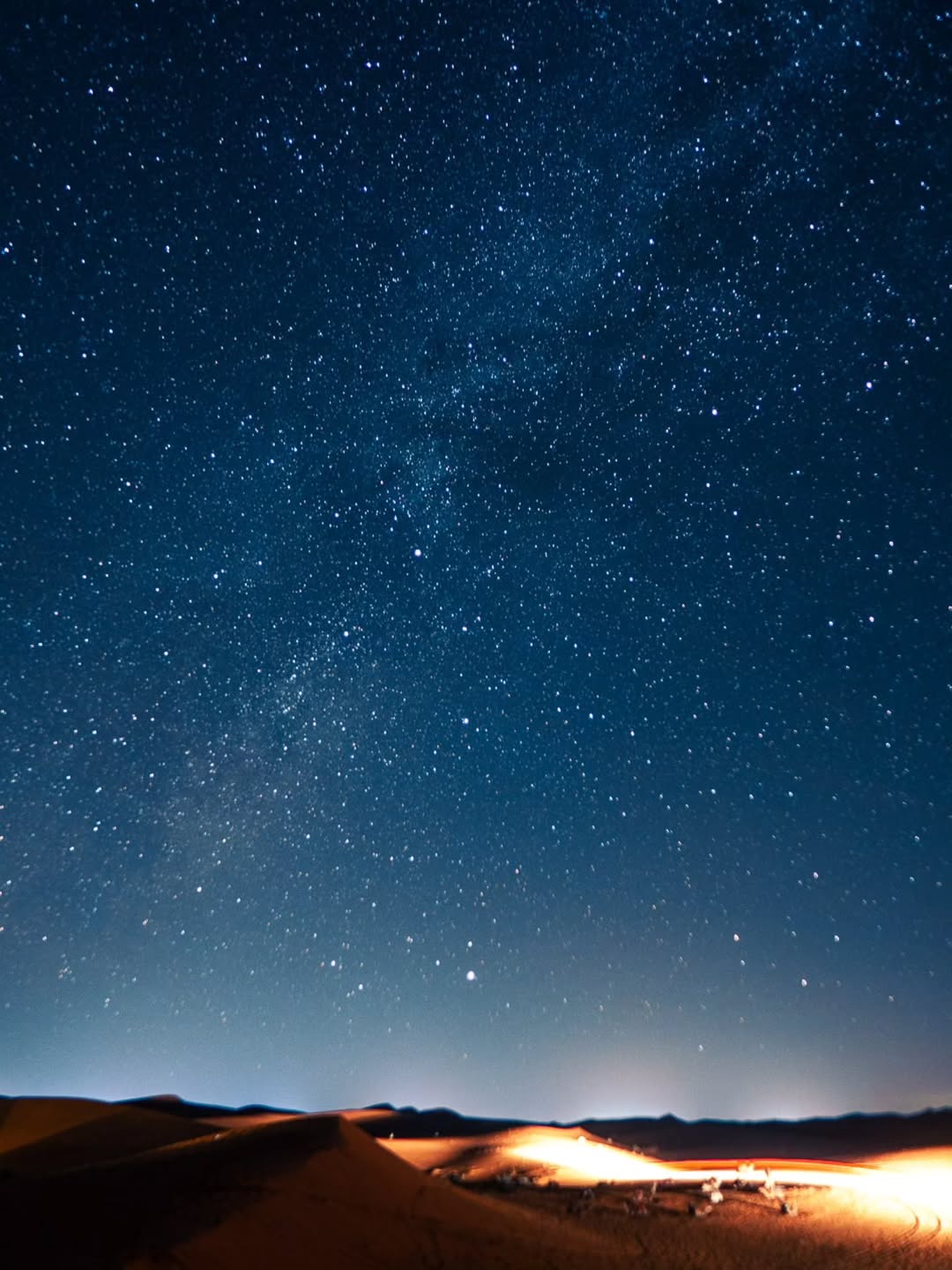
Camps in the Erg Chebbi dunes range from simple shared tents to en-suite camps with real beds and hot showers. Here is what each level gives you and how the evening runs.
The desert camp is the part of a Sahara trip people remember, and the part they know least about before they arrive. This page describes the evening honestly, including the things that are basic.
Standard camps versus en-suite camps
| Standard camp | En-suite camp | |
|---|---|---|
| Sleeping | Proper beds, blankets, canvas tent | Larger tent, better bedding, rugs |
| Bathroom | Shared blocks a short walk away | Private bathroom in the tent |
| Hot water | Limited or none | Hot showers |
| Dinner | Shared tables, tagine and bread | Same food, quieter setting |
| Best for | Travellers happy with simple comfort | Couples, families, colder months |
Both are in the dunes and both give you the same sky. The difference is comfort, not location. Our 4-day private luxury Sahara tour uses an en-suite camp for two nights; the 3-day Merzouga tour uses a standard camp, with an upgrade available on request.
How the evening runs
- Late afternoon — meet the camels at the edge of the erg, ride roughly an hour into the dunes (or transfer by 4x4).
- Sunset — arrive at camp with time to climb the dune behind the tents.
- Dinner — soup, salad, a tagine and fruit, served around 20:00.
- Fire and drums — most camps have music after dinner; it is informal and nobody is obliged to join.
- Night — lights go down, and the sky takes over.
- Sunrise call — usually around 06:00, earlier in summer.
Warmth, power and signal
Desert nights are always cooler than the days and genuinely cold in winter. Camps supply blankets; a fleece or down layer of your own makes the difference between enjoying the evening outside and going to bed early.
Power is limited: expect lighting and a charging point near the main tent rather than sockets in your tent. Mobile signal in the dunes is patchy and Wi-Fi, where it exists, is around reception. Treat it as an offline night — most people end up grateful for it.
Food and dietary needs
Camp kitchens are simple and cook for everyone at once, so tell us about vegetarian, vegan, gluten-free or allergy requirements at the enquiry stage rather than on the night. Vegetable tagine and couscous are straightforward; anything more specific needs advance notice.
Is it suitable for families and older travellers?
Yes. The camel ride can be shortened or replaced with a 4x4 transfer, and camps are used to children. The harder part of a Sahara trip is not the camp — it is the driving that gets you there, which is why we usually suggest four days rather than three for families. See how many days you need.
What to bring into the camp
A small overnight bag is enough — your main luggage stays in the vehicle. Head torch, warm layer, scarf, wet wipes and a charged power bank cover almost everything; see the packing list. What the dunes themselves are like is in the Erg Chebbi guide.
Frequently asked questions
- What is the difference between a standard and a luxury desert camp?
- Both are in the dunes. A standard camp has proper beds and shared bathroom blocks; an en-suite camp adds a private bathroom, hot showers and better bedding.
- Are there toilets and showers at a desert camp?
- Yes. Standard camps have shared bathroom blocks a short walk from the tents; en-suite camps have private bathrooms with hot water.
- Is there electricity at the camps?
- There is lighting and usually a charging point near the main tent, but not sockets in every tent. Bring a power bank.
- How cold is a night in the Sahara?
- Always cooler than the day, and close to freezing on winter nights. Camps provide blankets, but bring your own warm layer in any season.
- Can the camp cater for vegetarians or allergies?
- Yes, with notice. Camp kitchens cook one menu for everyone, so tell us your requirements when you enquire rather than on arrival.
- Do I have to ride a camel to reach the camp?
- No. The camel ride is the traditional arrival, but a 4x4 transfer to the camp is always available if you prefer.
- Is one night in the desert enough?
- One night gives you sunset, the night sky and sunrise, which is what most travellers come for. Two nights add a full day at the dunes and remove the rush.