Mule Welfare on a Morocco Trek: What to Look For
How to recognise responsible treatment of trekking mules in Morocco, what to ask an operator, and the small choices that make a difference on the trail.
If you trek in the High Atlas, mules will carry your luggage. That is not a marketing detail — it is how mountain logistics have worked here for generations, and it is also the part of the trip travellers have the least information about.
Why mules, still
There are no roads between most High Atlas overnight stops. Above Imlil the ground is steep, loose and narrow. Mules move loads through that terrain reliably, and mule work is real income for families in the valleys. Removing them does not make trekking kinder; it usually just moves the load onto human porters.
What responsible treatment looks like
You do not need to be an expert to notice the basics on the trail:
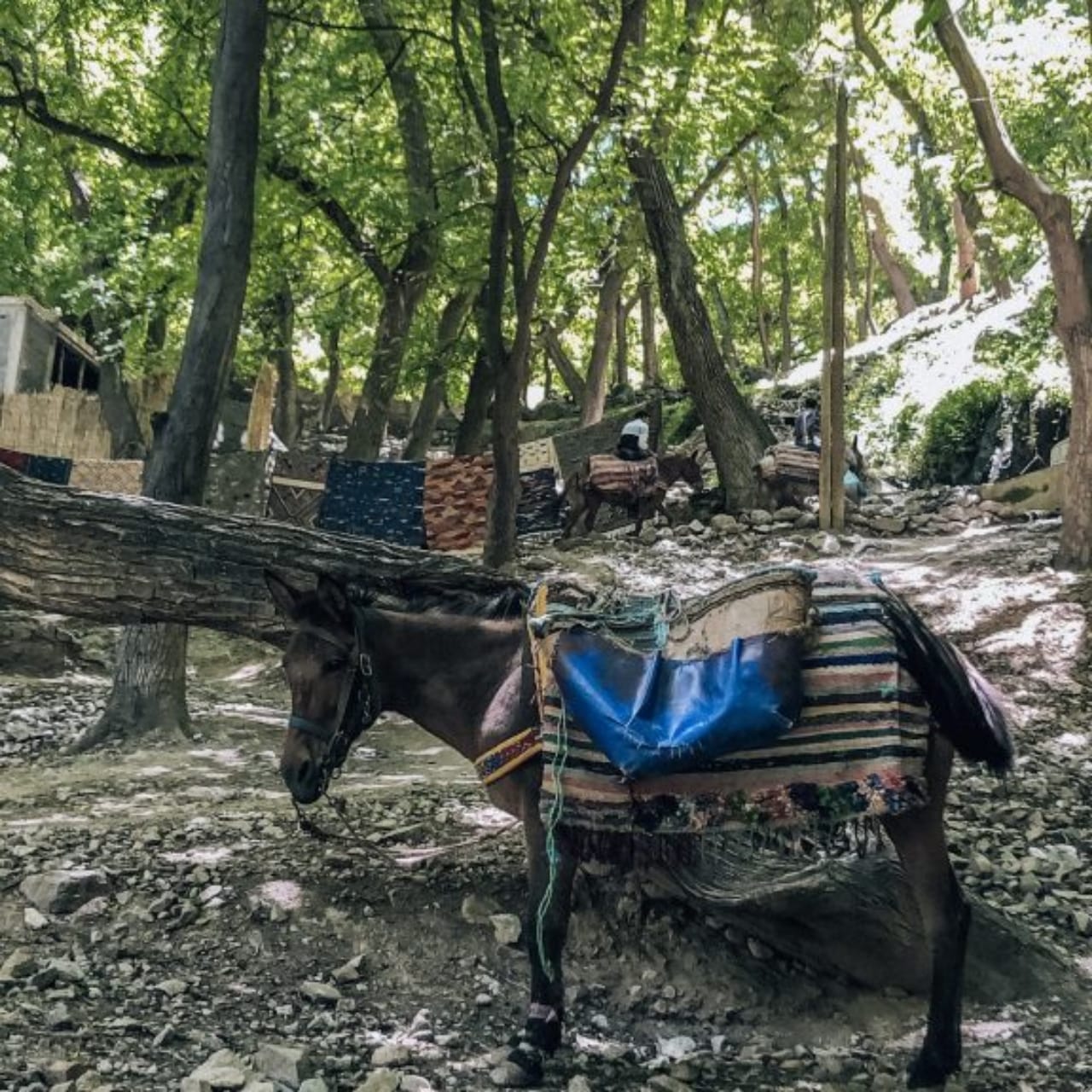
- Load size and balance. Loads should sit evenly and be secured properly, not piled high and shifting with each step.
- Condition of tack. Saddles and padding that fit, without open rub wounds underneath.
- Rest and water. Animals stopped in shade, with water at the obvious points.
- Handling. Steady, quiet handling from the muleteer. Constant shouting or striking is a signal, and not a good one.
- Body condition. Alert animals, not visibly exhausted or lame.
If you see something that concerns you, tell your guide during the trek rather than after it. It can usually be corrected on the day.
What we do, and what we do not claim
At Toubkal Views mules are part of the operation and their care is part of how we judge whether a trek has been run properly. Loads, rest, handling and condition are the muleteer's responsibility and our responsibility together, and the muleteers are part of the same local team as our guides.
We cooperate with SPANA's animal-welfare work in the Imlil area, which cares for the working animals of the valley. That is a cooperation, not a certification, partnership or endorsement — we describe it exactly as it is.
We do not publish a maximum load figure, a mule-to-group ratio or a veterinary schedule, because we will not invent numbers for a web page. If those specifics matter to you, ask us directly and we will answer for the trek you are considering.
What travellers can do
Pack lighter, and pack soft. A soft duffel loads far better than a hard suitcase. Every kilo you leave in Marrakech is a kilo an animal does not carry uphill.
Do not insist on riding. Riding a mule is sometimes appropriate — an injury, a child, a genuinely tired member of the group — but it is not a photo opportunity.
Choose operators who will talk about it. An operator who cannot answer basic questions about their animals is telling you something.
Read next
How mule support actually works on our routes is covered in our guide to trekking with mules in the High Atlas, and the wider picture — guides, welfare, our own accommodation and equipment operation — sits on our responsible trekking page.
If you are planning a trek and want to know exactly how the animal side is handled on that itinerary, message us on WhatsApp.
Frequently asked questions
- Do High Atlas treks have to use mules?
- Most multi-day routes do, because there are no roads between overnight stops. Mules move tents, food and main luggage so trekkers walk with a day bag.
- How can I tell if mules are being treated well?
- Look at load balance, the condition of saddles and padding, whether animals get rest and water, and how the muleteer handles them.
- Does Toubkal Views work with SPANA?
- We cooperate with SPANA animal-welfare work in the Imlil area. This is a cooperation, not a partnership, certification or endorsement.