Low-Impact Trekking in the High Atlas: A Practical Guide
Practical, specific ways to trek the High Atlas with less impact — water, waste, animals, photography and where your money goes.
Responsible trekking in the High Atlas is not complicated, but it is specific. General environmental advice does not help much here; what matters are water, waste, animals, photographs and money.
Water
Mountain streams are the valleys'' drinking supply. Wash, brush teeth and clean cookware away from watercourses, and never use soap directly in them.
Bottled water creates a plastic problem the valley then has to move down by mule. A filter bottle or purification tablets remove most of that, and your guide will tell you where refills are sensible.
Waste
Everything you carry up has to come down, including fruit peel, which does not decompose usefully at altitude and attracts animals. Carry a bag for rubbish. Toilet paper goes in the bag, not under a rock.
The animals
Mules do the carrying, so how you pack directly affects a living animal. Pack lighter than you think you need. Use a soft duffel rather than a rigid suitcase — it loads and balances far better. Do not ask to ride for fun.
Toubkal Views cooperates with SPANA''s animal-welfare work in the Imlil area concerning working animals. That is a cooperation, not a certification or endorsement, and we describe it precisely because welfare claims are easy to inflate.
People and photographs
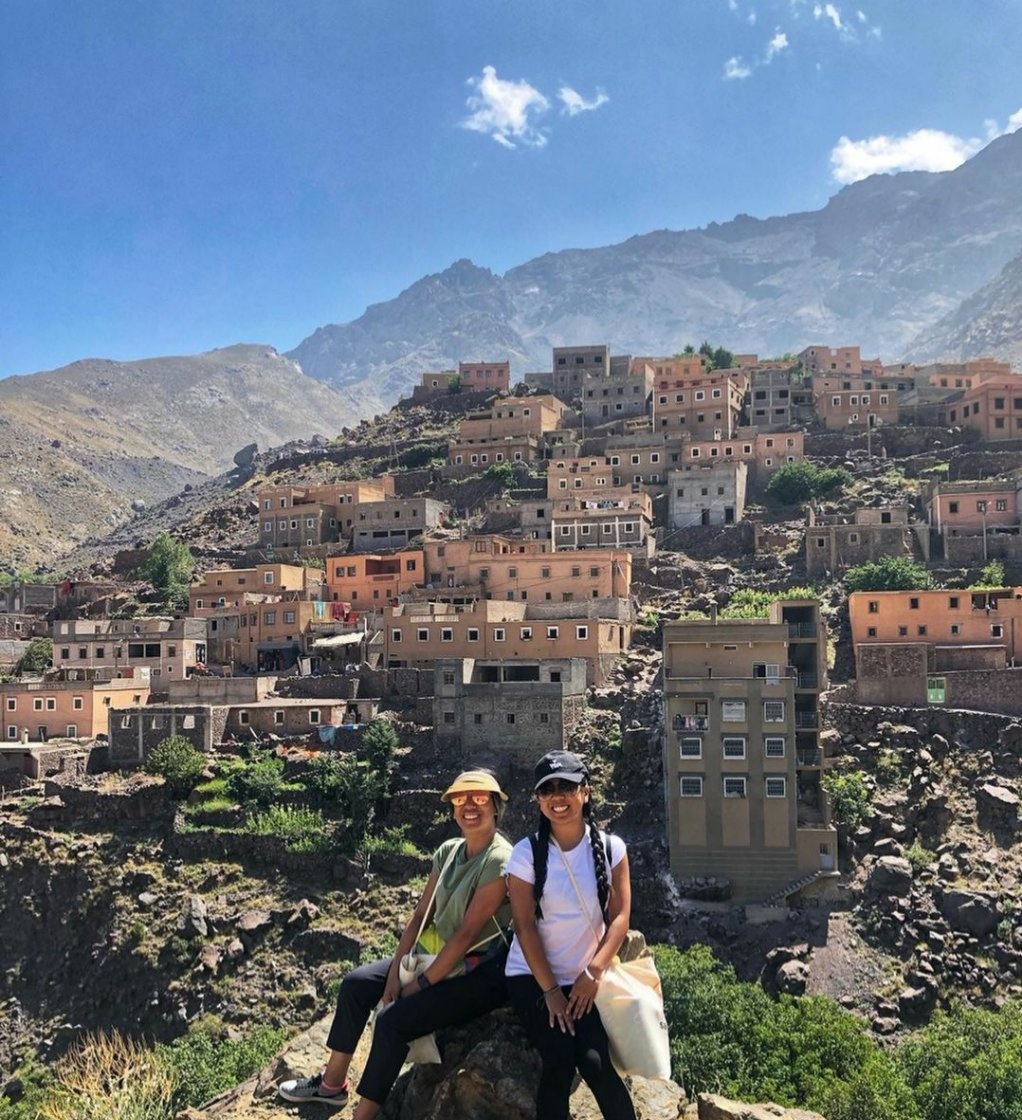
The High Atlas valleys are Amazigh communities, not scenery. Ask before photographing people, especially women, and accept a no. If someone invites you for tea, the invitation is real and refusing politely is fine.
Dress moderately in villages — covered shoulders and knees. It costs you nothing and it is noticed.
Where the money goes
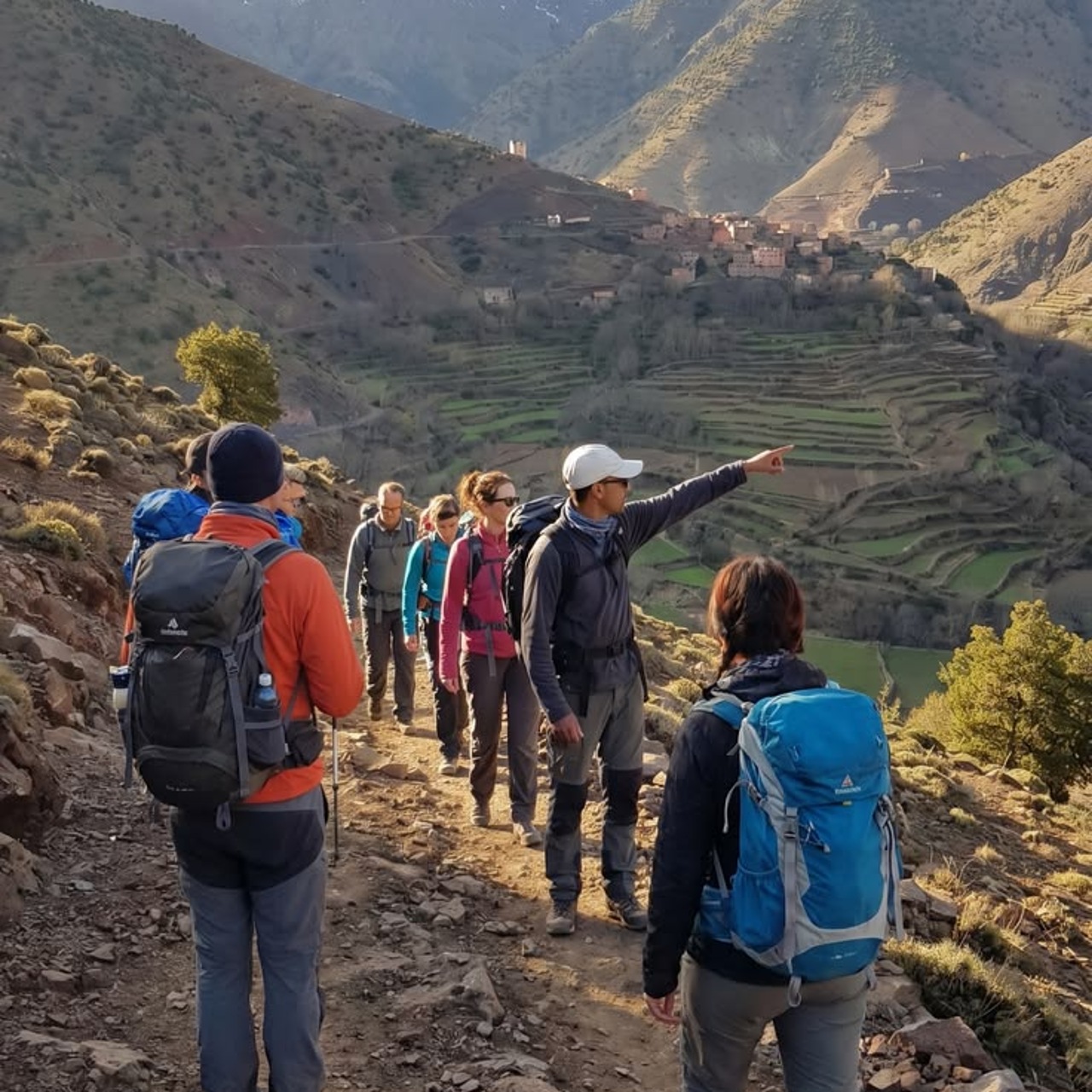
The most effective thing most travellers do is spend locally: buy in Imlil, use local guides and muleteers, eat in village cafés. Trekking income is one of the few sources the upper valleys have outside farming.
We work with more than 15 accredited guides, mostly from these valleys, plus local muleteers and cooks. Our own accommodation, Afla Sky Views, is an eco-conscious mountain stay built and operated with environmental considerations. We do not claim carbon neutrality, zero impact or an environmental certification, because we do not hold one.
Erosion and paths
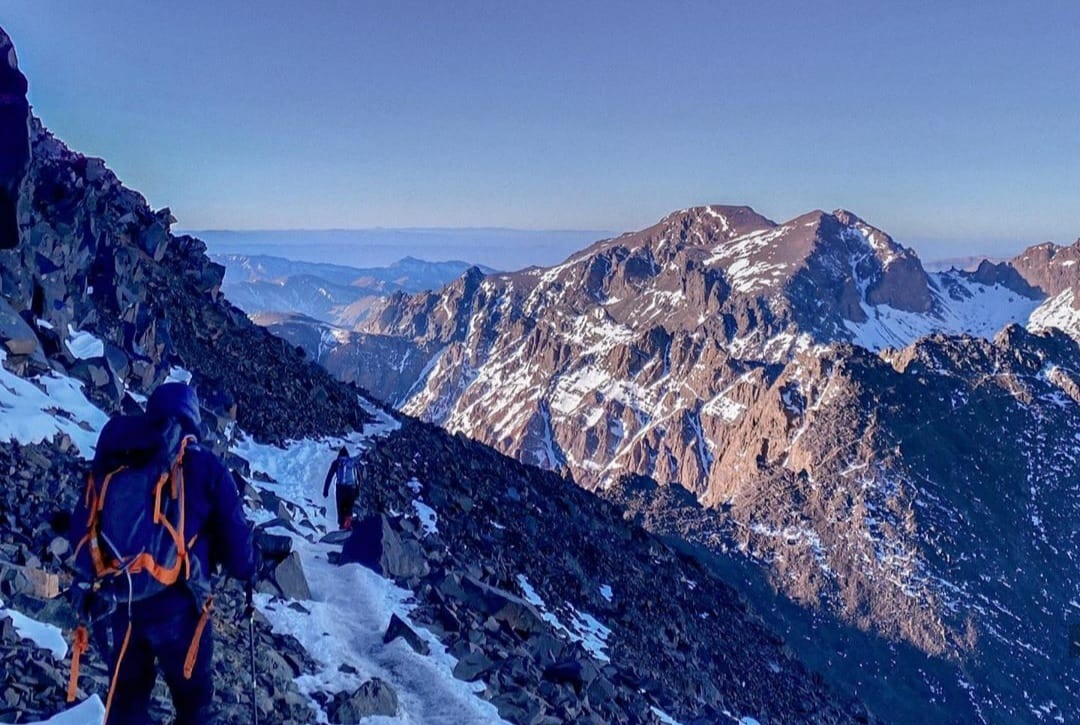
Stay on established paths, especially on the zigzags below the Toubkal refuge. Cutting corners on switchbacks looks harmless and is the main cause of erosion scars on the mountain.
A short checklist
- Filter or purify rather than buying bottled water
- Carry all waste down, peel included
- Soft bag, packed light
- Ask before photographing people
- Stay on the path, do not cut switchbacks
- Spend in the valley
Read next
Our responsible trekking page explains how we operate, and our guides to mule welfare and to working animals in Imlil go deeper on the animal side.
Frequently asked questions
- Can I drink the stream water in the High Atlas?
- Filter or purify it. A filter bottle or purification tablets also avoid the plastic waste that bottled water creates in the valleys.
- Is it acceptable to photograph people in Amazigh villages?
- Ask first, especially with women, and accept a refusal. The valleys are lived-in communities rather than scenery.
- How can travellers support the local economy?
- Use local guides and muleteers, buy and eat in the villages, and pack light so the working animals carry less.